Compare the same scope before comparing the price
Two quotations for a water tanker or garbage compactor can describe substantially different vehicles. A lower headline price may exclude the pump you need, a destination-ready chassis, freight or the inspection you expected. Put each offer against one written requirements sheet. Ask suppliers to mark every line as included, optional, excluded or not yet confirmed. An empty cell is an unresolved cost, not a saving. Your first comparison should identify whether both proposals solve the same operating problem. Only then compare the payable amount and the responsibilities attached to it. Keep the quotation date and validity period alongside the price.
Separate the chassis from the working equipment
Record the exact chassis model, steering position, engine and transmission proposal, drive arrangement and requested destination documents. For the body, compare usable working capacity, materials, equipment brands or model references, interfaces and the intended duty. A tank described only by nominal volume does not establish legal payload or usable operating volume. A compactor description without the bin interface leaves collection compatibility unanswered. Request an itemized technical annex that distinguishes the complete vehicle from accessories and alternative options. When a supplier proposes an equivalent component, obtain the replacement identity and its documented suitability before treating the offers as equivalent.
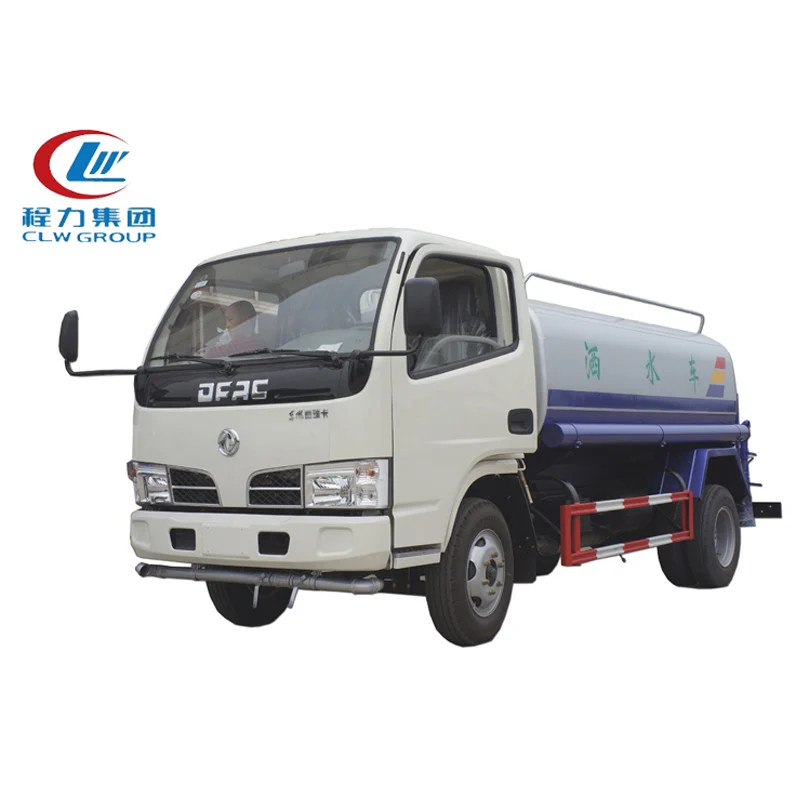
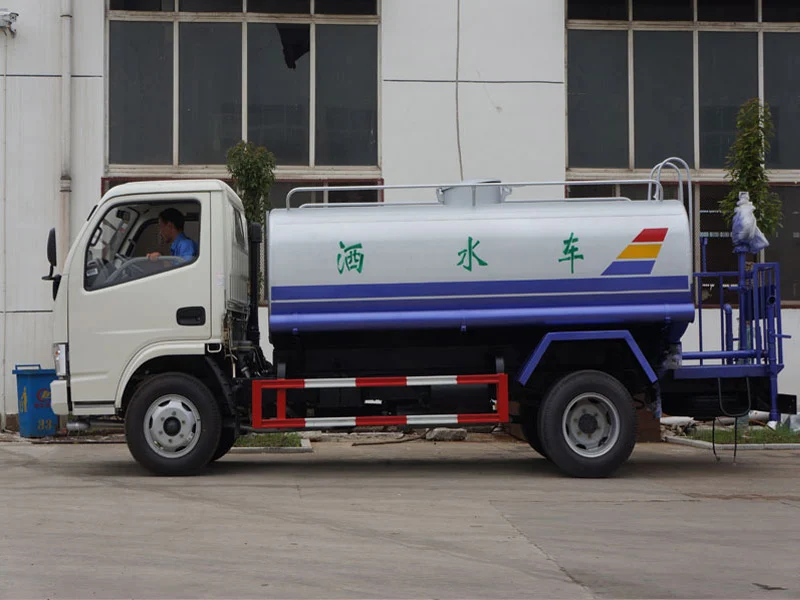
Water Tanker: manufacturer reference photograph. The photograph illustrates a catalogue reference, not the exact vehicle quoted for your project.
Make delivery boundaries visible
Use a separate row for factory-to-port transport, port handling, main carriage, insurance, destination charges, customs work and final delivery. Mark the currency for each charge and whether it is fixed, estimated or payable to a third party. The named delivery location matters as much as the trade term. A quotation ending at an origin port cannot be compared directly with a delivered-site offer. Ask whether the truck travels with installed equipment, loose equipment in crates, or some items removed for transport. Reassembly, commissioning and transport preparation can change both cost and readiness when the vehicle arrives.
A worked comparison using hypothetical offers
Suppose Offer A is 48,000 and Offer B is 51,000 in the same currency. These figures are illustrative, not SUI AUTO prices. Offer A excludes 4,000 of required equipment and an estimated 1,500 of inspection and origin handling. Its comparable subtotal becomes 53,500 before common destination costs. Offer B includes those items but excludes the same destination costs. B may therefore be the lower comparable offer despite its higher headline. This is not a recommendation to accept B: first confirm that both chassis and body specifications match, and identify taxes or freight adjustments not yet priced.
Compare support as a deliverable
Ask each bidder to identify the chassis warranty contact, body warranty contact and equipment support route. Request the languages and formats of manuals, wiring information, parts identification and operator handover. A generic promise of after-sales service cannot show who pays for diagnosis, parts transport or local labor. Treat missing service arrangements as questions to resolve, rather than assigning them an invented monetary value. If uptime matters, compare the availability of the specific wear parts and diagnostic tools your local workshop will need. A small initial saving can be irrelevant if the proposed component has no practical service route in your operating market.
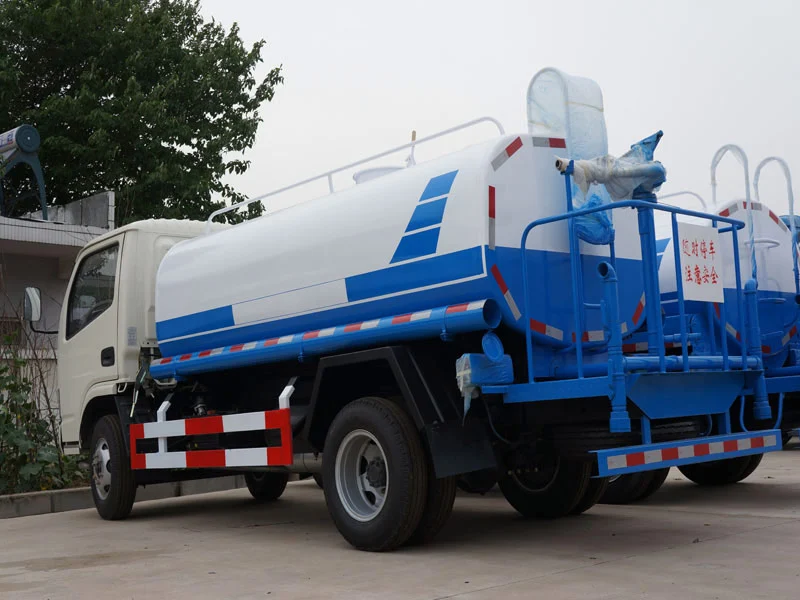
Water Tanker: manufacturer reference photograph. The photograph illustrates a catalogue reference, not the exact vehicle quoted for your project.
A comparison file you can send back to suppliers
Create columns for requirement, supplier response, included cost, exclusion, evidence and outstanding decision. Include the exact model identifiers, body specification revision, mandatory accessories, transport method, delivery point, inspection scope, support contacts and payment milestones. Record any assumptions in a separate section so that they cannot quietly become contractual facts. Return the same file to all shortlisted suppliers and request corrections in writing. Do not release a purchase order while a mandatory requirement still has an ambiguous response. Keep the final comparison with the accepted technical annex so later equipment changes can be checked against the decision you actually made.
Can I compare quotations by cost per cubic metre?
It can be a secondary indicator for similar bodies, but it does not establish payload, pump capability, collection productivity or compliance. A larger nominal body can be less useful on a restricted route. Compare the operating duty and complete build first. Use a capacity-based ratio only after checking that the quoted capacities have the same definition.
Should the cheapest quotation be rejected?
No. Ask why it is cheaper. A simpler specification, a suitable standard component or consolidated sourcing may legitimately reduce cost. The decision depends on documented scope, practical support and your accepted risks. SUI AUTO can help organize alternative configurations and their exclusions; a final quotation still needs agreement on the exact build and delivery responsibilities.
References and related reading
Review the listed references in their stated scope and check the current requirements for your actual build and destination.


