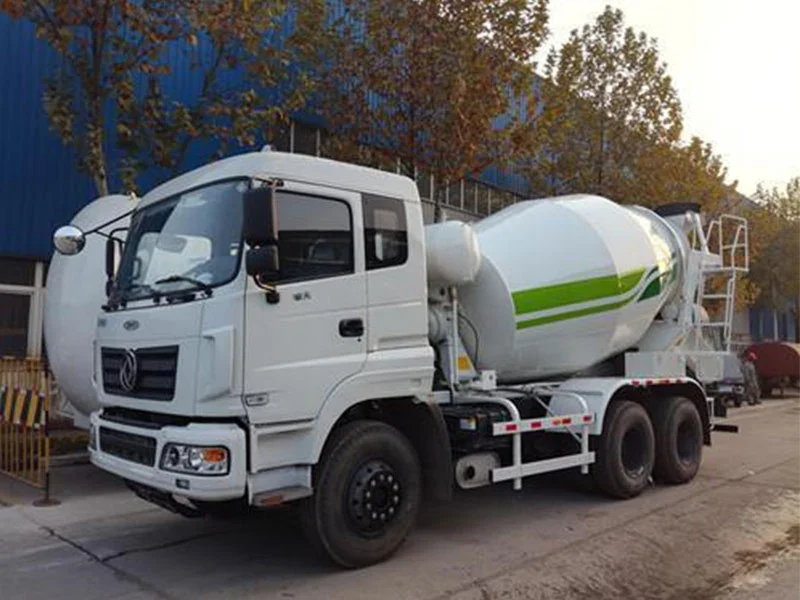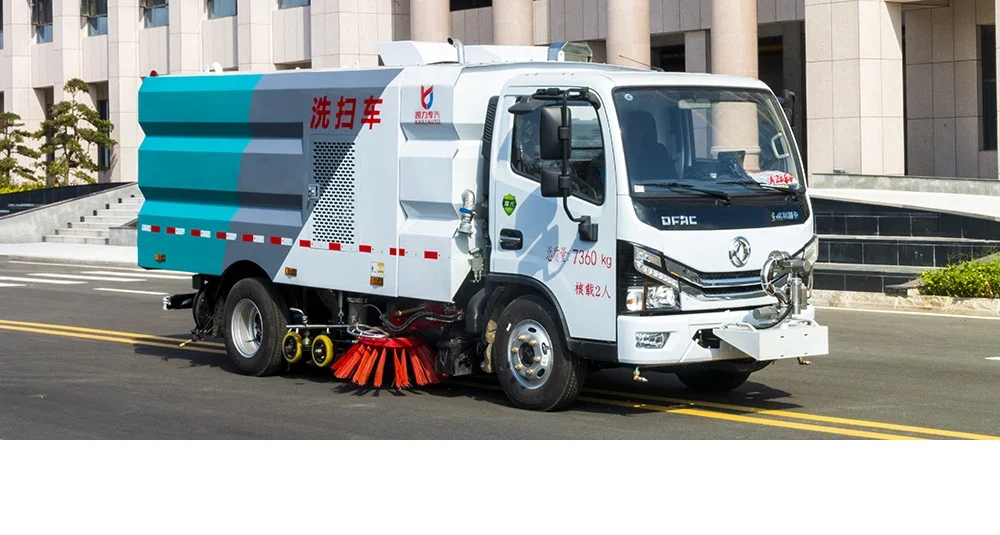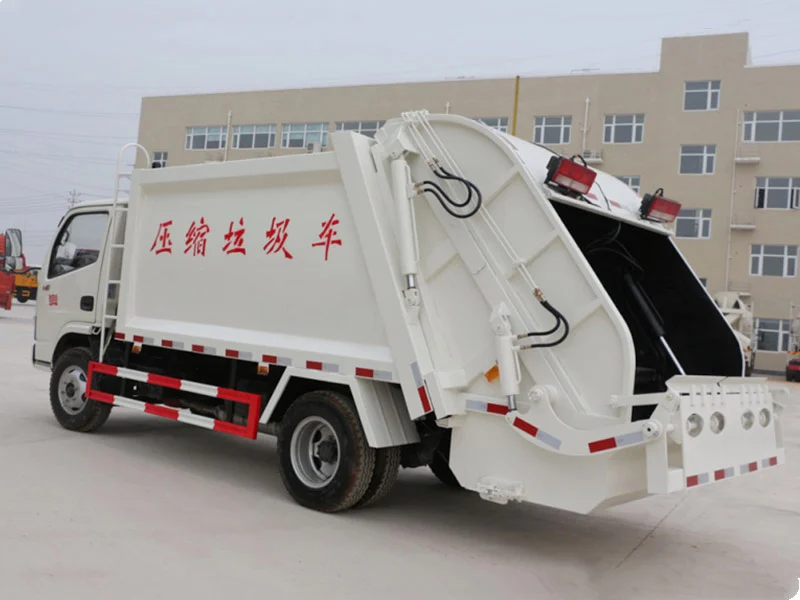
Inspect against the approved build, not a generic brochure
A pre-shipment inspection should compare the allocated vehicle with the accepted technical specification. Start by identifying the chassis and the body or equipment references used in the contract. Then define the checks, evidence and acceptance decisions for that build. A general exterior video can show condition, but it cannot establish every specified function or document requirement. Decide which checks need a qualified independent inspector and which can be reviewed remotely. Agree on the inspection scope before production completion, when there is still time to clarify test conditions, provide access and correct discrepancies.
Create an identity and configuration record
Request clear vehicle identifier photographs, the exact chassis model and a comparison of the installed equipment with the component list. Record any substitution and its approval reference. Include the body layout, accessible data plates, supplied accessories and operating-control labels. Have the inspector distinguish between verified items, documents reviewed and items that could not be checked. A catalogue photograph should not be reused as evidence of your truck. If multiple vehicles are ordered, create a separate inspection record for each one so a correct component on one unit does not conceal a missing component on another.
Define functional evidence carefully
For a water truck, the evidence plan might cover the agreed outlets and pump functions under stated conditions. For a compactor, it might cover the supplied loading interface and specified body movements. The manufacturer and qualified inspector must establish safe demonstrations for the actual equipment. Do not request improvised overload tests or unapproved pressure settings to make a video look convincing. Record the test conditions, observed result and any limitations. A successful demonstration under one condition is evidence of that test; it is not a blanket guarantee of productivity, compatibility or legal operation in your destination.
Check condition and loose equipment
Inspect visible body condition, doors, storage, controls, hoses, connectors and other agreed accessories. The inspector should record damage, missing items and unclear markings with photographs linked to the vehicle. Make a packing inventory for equipment carried separately, including part identities and package numbers. Confirm whether transport preparation removes or secures any item that will need attention after arrival. Ask for the manufacturer's handover instructions covering that preparation. Keep the inspection record focused on evidence: a statement that the vehicle looks good is less useful than identifiable photographs and a checklist showing what was actually observed.
Use a defect register before accepting shipment readiness
Classify findings using the contract's agreed acceptance framework. Record the issue, required response, responsible party and reinspection evidence. A missing essential component should not disappear into a vague future-service promise. If the buyer accepts a documented deviation, preserve that approval with the inspection file. For unresolved technical questions, obtain the appropriate manufacturer's explanation before accepting the item. Inspection does not replace destination approval or a customs review, so track those separately. The strongest report makes its limitations clear and allows a third person to understand why each acceptance decision was made.
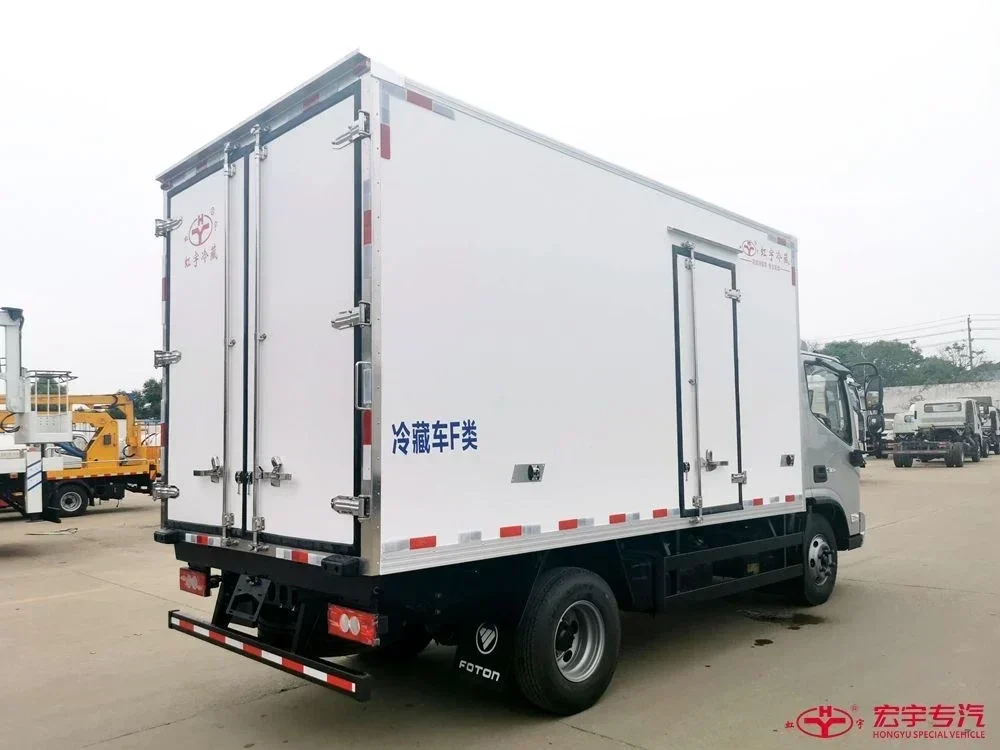
Hongyu's rear three-quarter photograph exposes doors, hinges and rear fittings that a front view hides. A pre-shipment inspection needs planned access to such areas; this reference image is not an inspection of your truck.
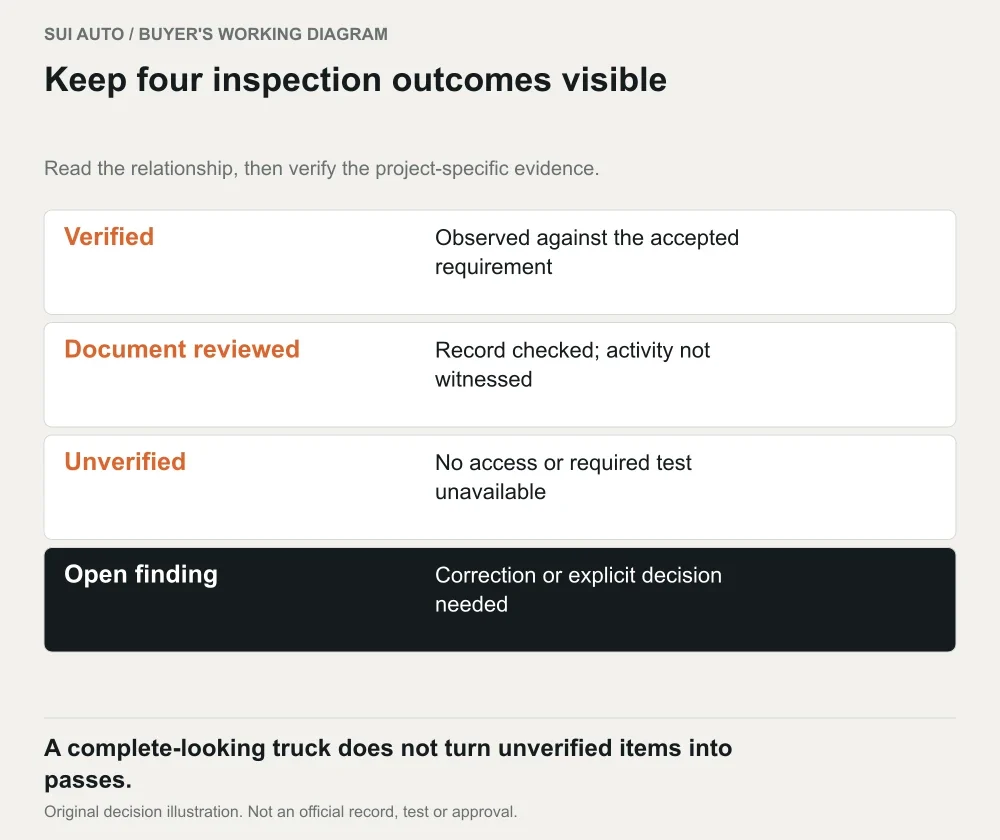
Buyer illustration: inspection-result interpretation; these categories do not certify an actual truck.
An illustrative remote-inspection arrangement
Consider a buyer unable to travel to the factory. The agreed plan includes an independent inspector, a vehicle-specific photo set, equipment identities, a safe functional demonstration and a final inventory. During the inspection, one hose connection does not match the buyer's depot interface. The report records the mismatch instead of declaring the whole vehicle acceptable. The supplier proposes the correct connection, the buyer approves it and the inspector verifies completion. This is a hypothetical workflow, not a customer case. It illustrates how a narrowly defined acceptance issue can be resolved through evidence rather than assumptions.
Does third-party inspection guarantee the truck?
No. An inspection report is limited by its scope, access, methods and date. It can provide useful independent evidence but does not automatically establish registration approval, long-term reliability or every hidden feature. Review what the inspector is qualified and contracted to verify.
What should I retain after inspection?
Keep the signed scope, report, photographs, demonstration records, defect register, corrected evidence and accepted specification revision. Store them with the vehicle identifiers and shipment records. Those documents help your receiving team check that the delivered vehicle matches the build reviewed before departure. Agree whether inspection occurs before transport preparation, after preparation or at both stages, and keep the associated evidence separately identifiable.
References and related reading
Planning a purchase? Follow the overseas buyer guide for specification, payment, shipping and import preparation.