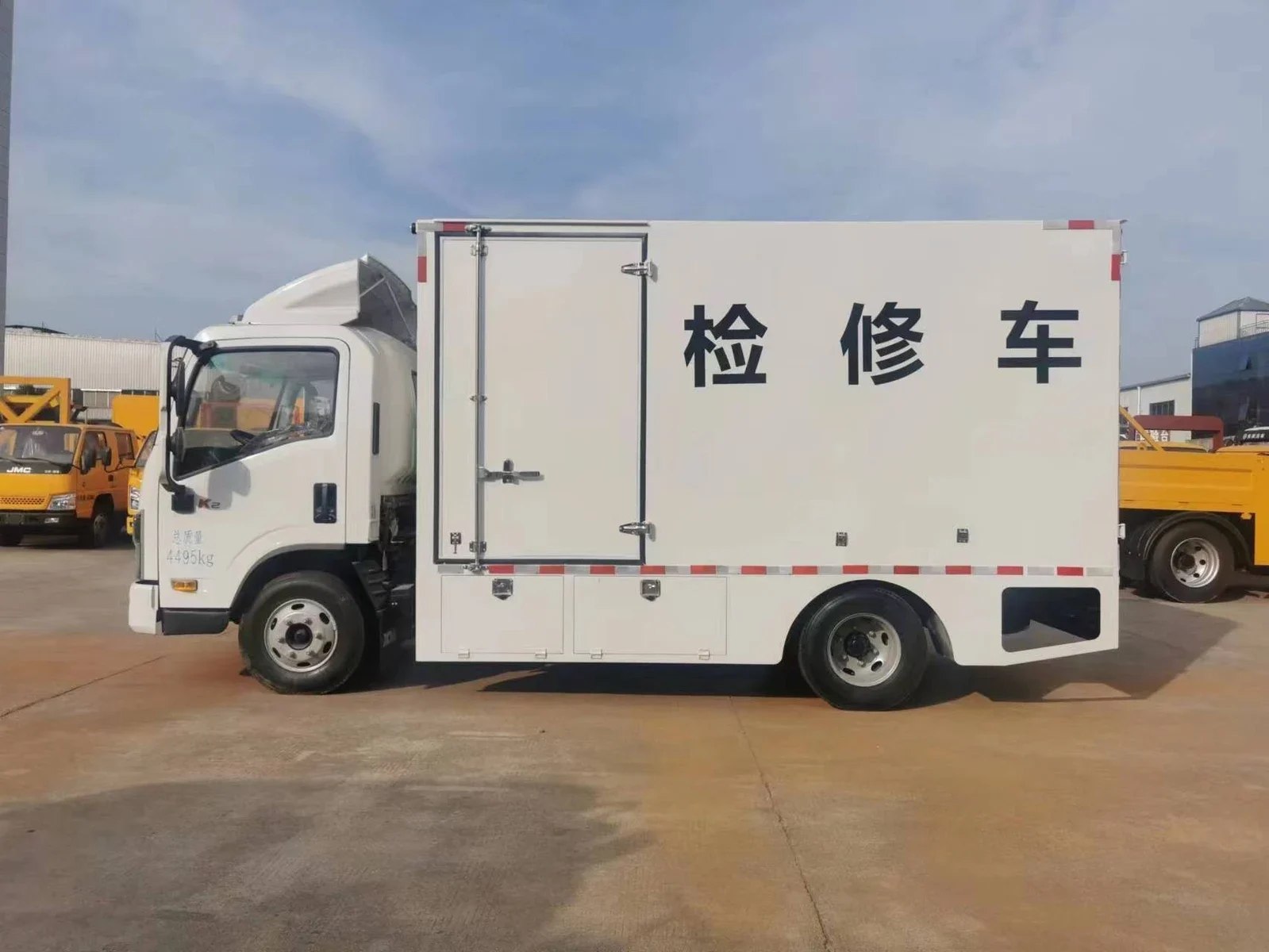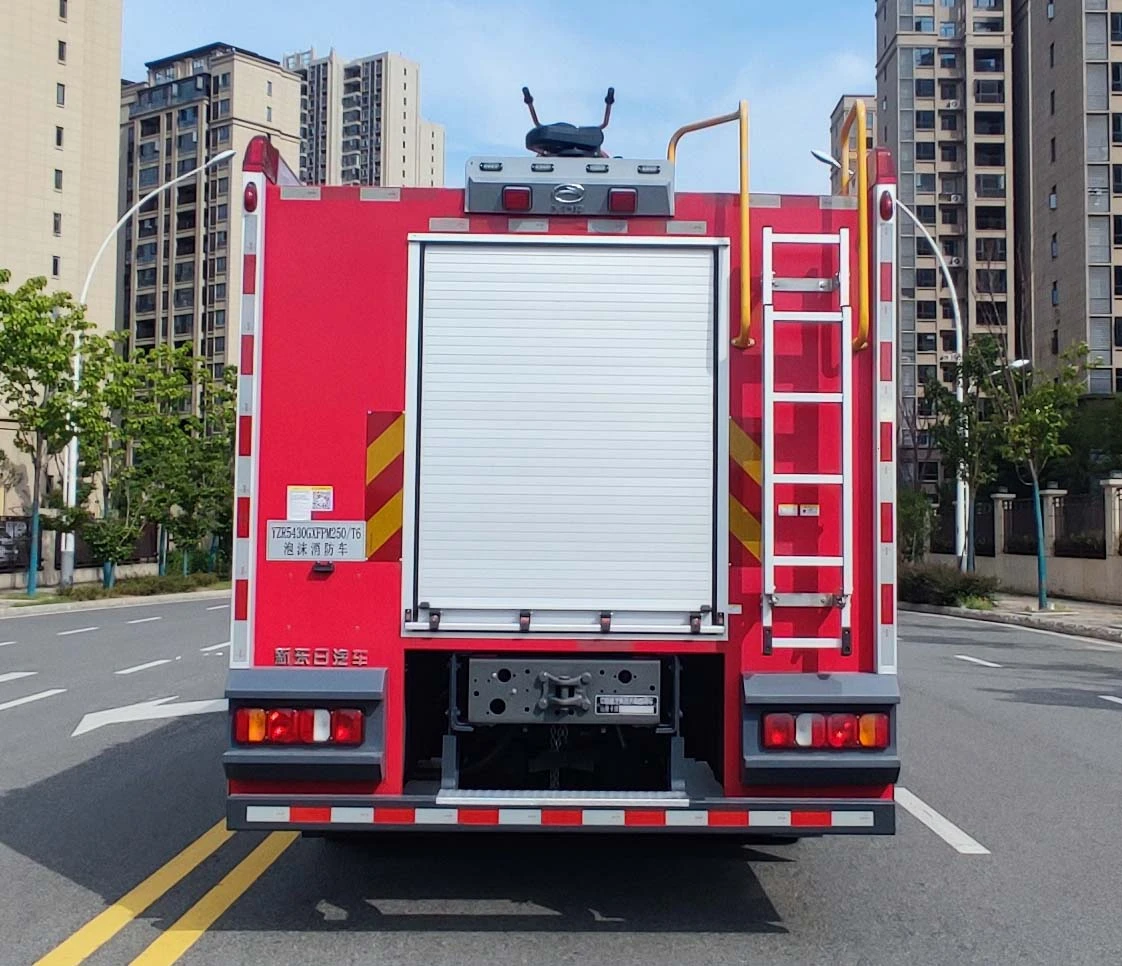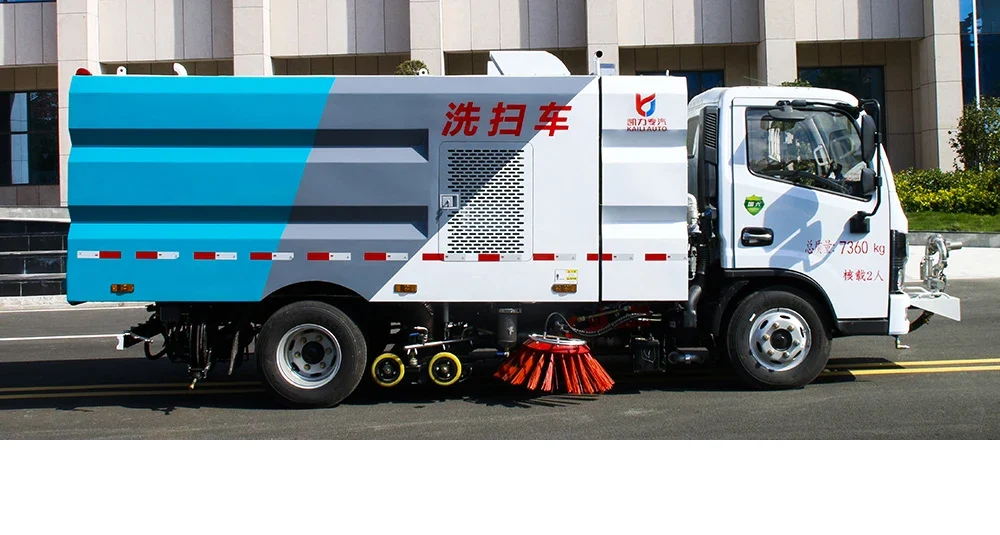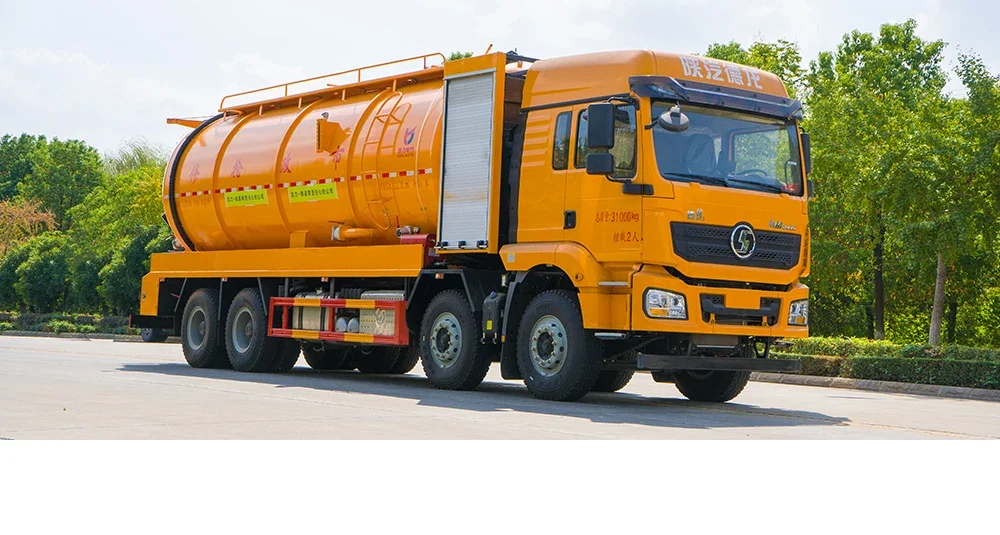
Choose the smallest layout that meets the complete duty
Choose a 4×2, 6×4 or 8×4 layout by combining usable-load requirements, driven-axle traction, route access and the body installation. More axles do not automatically make a truck more suitable. A larger layout can offer additional load-distribution possibilities while increasing length, mass, tyre count and manoeuvring demands.
In common commercial-vehicle notation, the first number describes wheel positions and the second driven positions; twin tyres are not counted as separate positions. A 4×2 normally has two axles, a 6×4 three and an 8×4 four. Confirm the actual steering and driven-axle arrangement in the chassis drawing because notation alone does not describe every layout detail.
Compare the layouts through practical questions
4×2: Does a two-axle truck provide enough permitted usable load with the complete body installed? Can its shorter package reduce positioning and access problems?
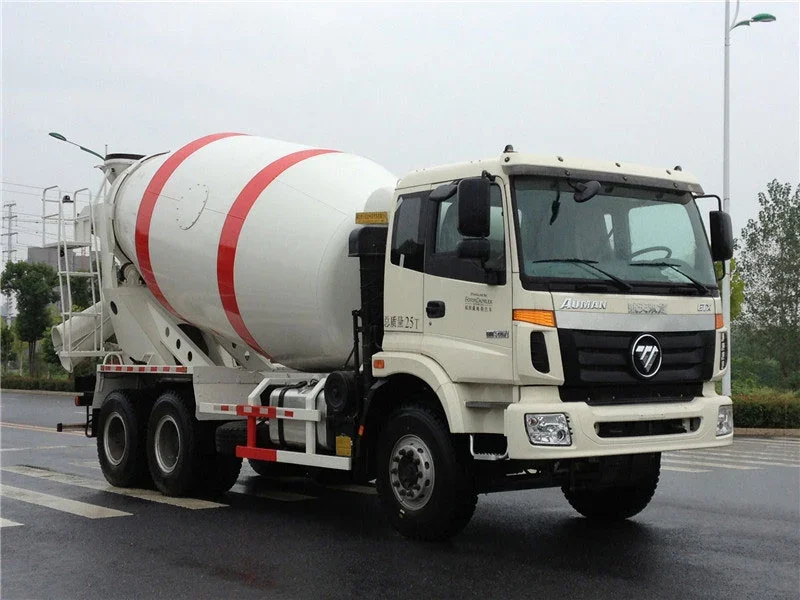
Manufacturer reference photograph. This three-axle mixer shows the longer package of a different body application.
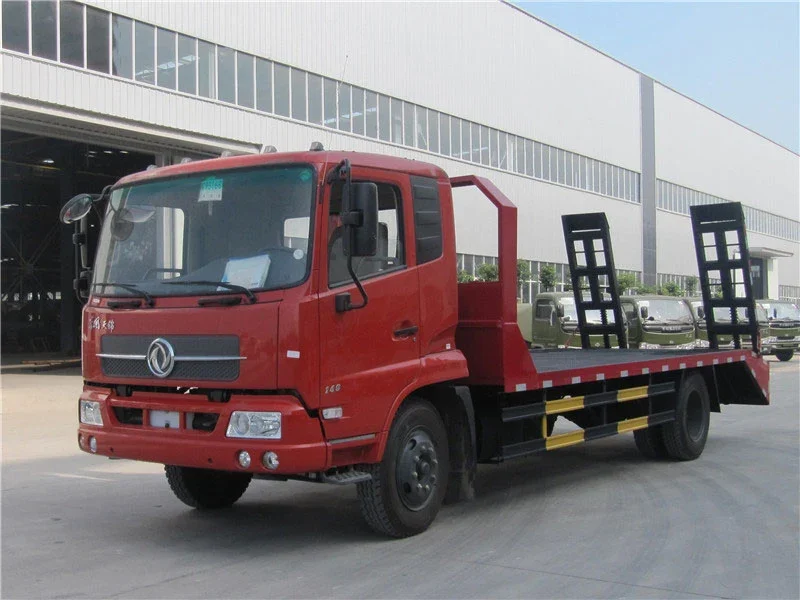
Manufacturer reference photograph. This compact two-axle equipment transporter shows a short vehicle package.
6×4: Does the duty require two driven rear axles, and can the site accommodate the wheelbase, rear swing and turning path? Does the proposed body distribute load adequately across the axle groups?
8×4: Does a four-axle platform solve a documented mass-distribution or body-packaging need? Are gates, corners, hardstanding and service facilities sized for the finished vehicle?
These are engineering questions for a specific build. They do not establish universal legal gross weights or road access rights. The chassis ratings, completed-vehicle documentation and intended route must be checked together for the destination.
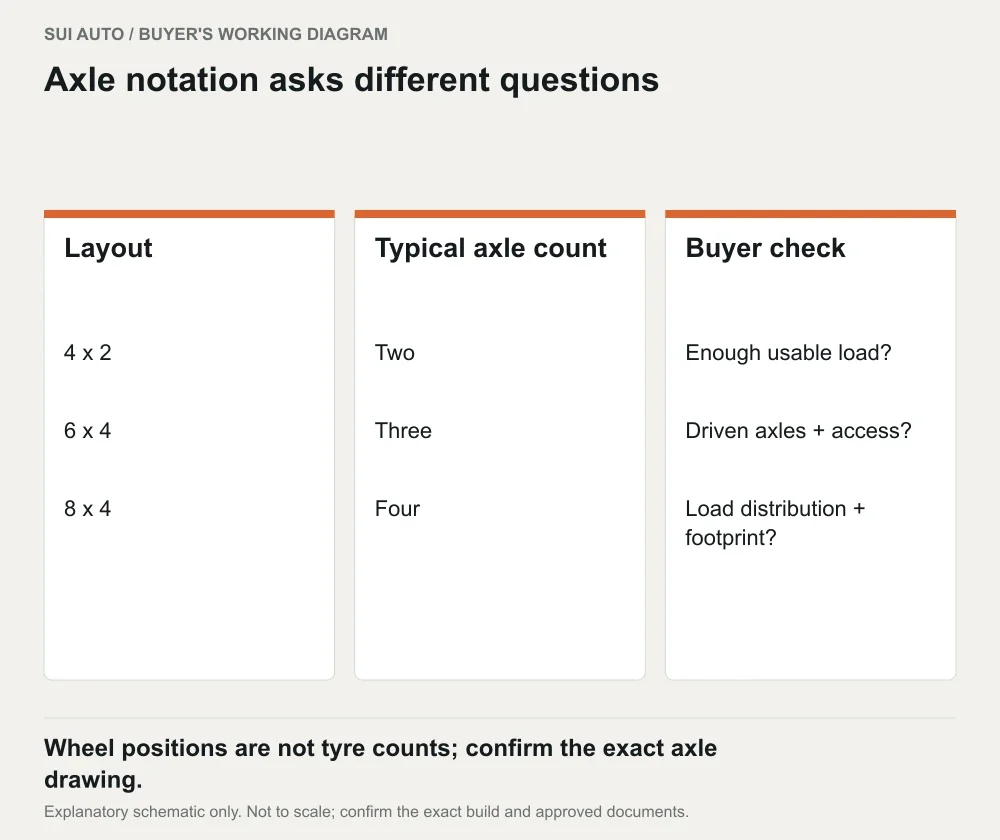
Wheel positions are not tyre counts; confirm the exact axle drawing. Explanatory schematic.
Separate traction from carrying capacity
Driven axles transmit tractive effort, but usable traction also depends on tyres, surface condition, driven-axle load and the driveline. A second driven axle is not evidence that a vehicle can travel safely across any soft site. Ask for the actual operating surface and gradient assumptions behind the proposed configuration.
Likewise, axle hardware ratings cannot simply be added to declare a permitted gross vehicle mass. Frame, suspension, tyres, braking, completed-vehicle approval and route restrictions can impose other limits. A body installation can overload one axle before reaching the gross limit. Request a load schedule covering the working states rather than one total-weight figure.
Use manufacturer references to understand scale
Kaili's Haoman combination reference has a 3900 mm wheelbase. The Tianlong combination reference lists 4350 + 1350 mm, and the Shacman Delong reference lists 1800 + 4575 + 1400 mm. The latter two illustrate multi-axle packaging, but the quoted chassis identity must still confirm the drive arrangement.
The references also publish different tank compartments. Larger storage figures should prompt a mass and route review, not an automatic upgrade. For liquid work, ask about full, partially full and operational transfer states. For refuse collection, examine load movement during collection and discharge. For cranes or recovery equipment, road travel and stationary working conditions require separate assessment.
A hypothetical two-route fleet decision
Assume a buyer has urban service lanes on one route and an open industrial route with a distant disposal site on another. The urban route may favour a compact two-axle vehicle if its usable load is sufficient. On the industrial route, more carrying capacity may reduce disposal journeys if access and loading conditions support it.
Make a route-specific worksheet with travel time, positioning time, body-work time and disposal time. Use measured or supplier-supported inputs and clearly label estimates. Compare completed cycles per shift, not just nominal tank capacity. If the larger truck cannot enter some customer sites, account for the additional support vehicle or missed stops in the decision.
A mixed fleet can therefore be a rational result. Standardising every route on one axle layout may simplify some maintenance tasks but create avoidable operating compromises elsewhere.
Enquiry and verification checklist
Provide target material mass, body equipment, gate and turning measurements, road surfaces and disposal arrangements. Request the exact chassis code, steering and driven-axle diagram, completed dimensions, empty axle weights and loaded-state calculations. Ask for any proposed tyre and suspension alternatives as separate configurations.
At acceptance, reconcile the physical axle layout and chassis identity with the approved specification. Weigh the finished vehicle in the agreed state. Demonstrate access and body operation under controlled conditions. Retain measurements and load assumptions with the vehicle file so later equipment additions can be reviewed against the original basis.
Check the cost of a layout change
Ask what changes when moving from one layout to another: tyre positions, workshop space, turning path, body mounts and the usable-load statement. Keep these differences visible without assigning invented cost values. The fleet can obtain its own maintenance and service quotes for the exact alternatives. If a fourth axle adds capacity that the route cannot use, record that fact. If a second driven axle addresses a real site requirement, record the condition and evidence behind it. A layout decision should remain understandable after the brochure comparison has been forgotten.
Does 8×4 mean all-wheel drive?
No. The notation describes eight wheel positions with four driven positions. Confirm the actual axle arrangement on the chassis drawing.
Will a 6×4 always outperform a 4×2 on a municipal route?
It depends on load, traction, access, travel and body duty. A larger truck can lose time where positioning is difficult.
Can I choose the axle layout after choosing tank volume?
Establish the required duty first, then develop tank size, chassis and load distribution together. A large tank does not prove a suitable road load.
References and further reading
- Kaili Haoman reference
- Kaili Tianlong reference
- Kaili Shacman Delong reference
- Isuzu official body builder guide access
- Daimler Truck official commercial-vehicle body builder information
- CLW HOWO Heavy Tow Truck manufacturer reference
- Kaili Sinotruk Haoman Combination Sewer Truck
- Kaili Dongfeng Tianlong Combination Sewer Truck
- Kaili Shacman Delong Combination Sewer Truck
- CLW HOWO Heavy Tow Truck
- Overseas buyer guide
Planning a purchase? Follow the overseas buyer guide for specification, payment, shipping and import preparation.