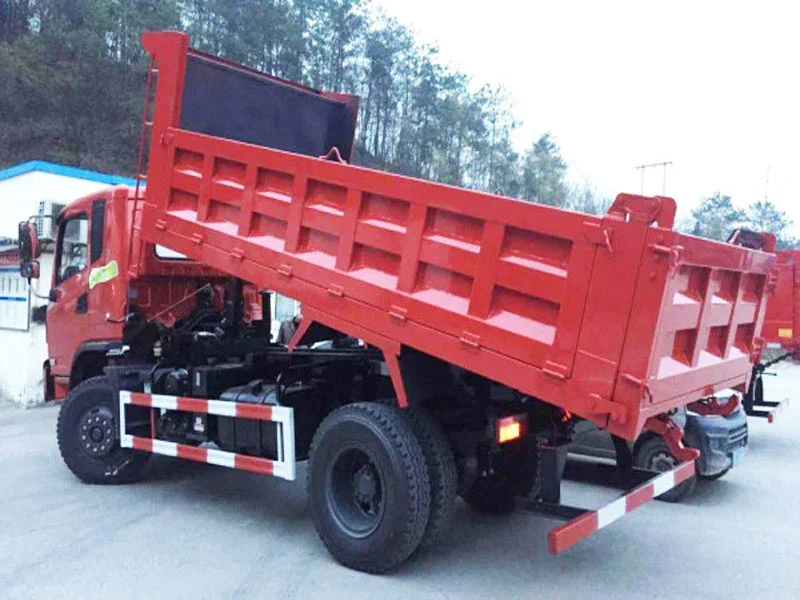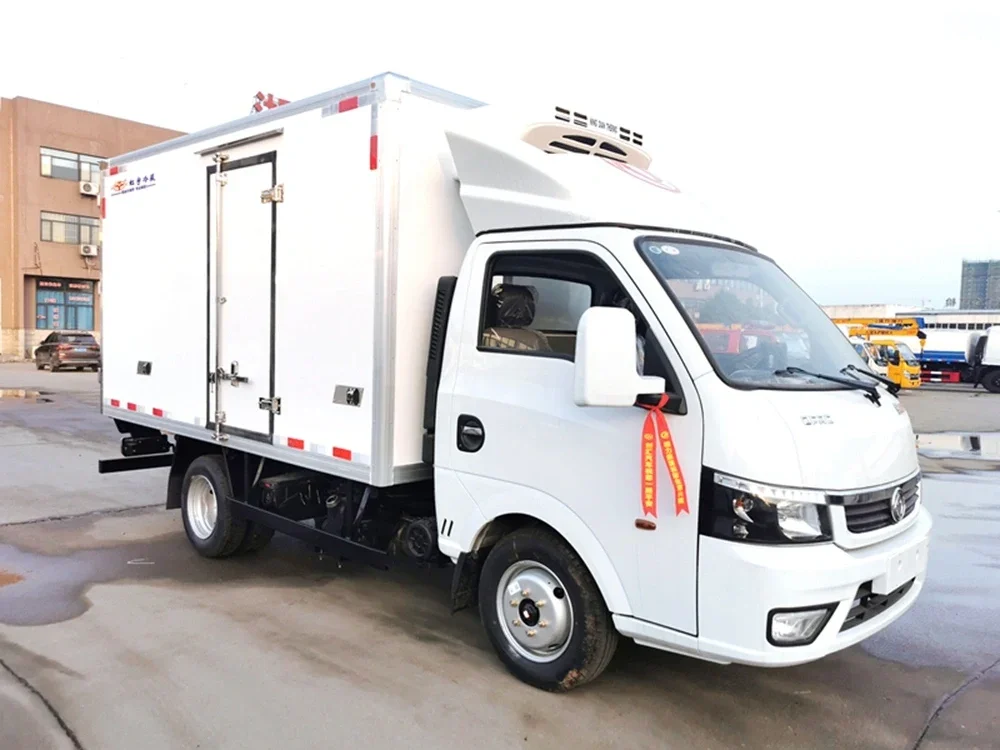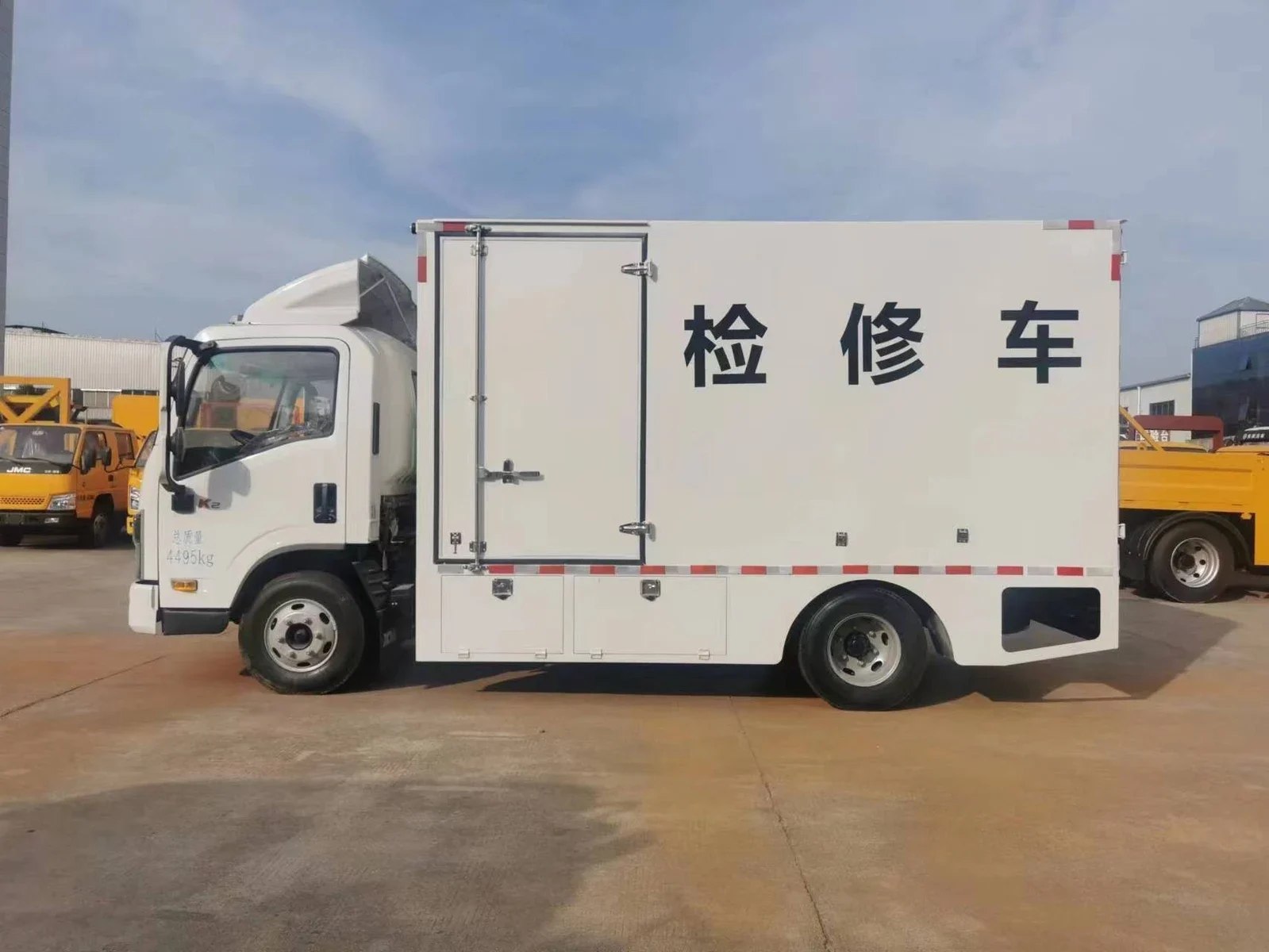
An inventory prevents accessories from becoming an assumption
A special-purpose truck may be shipped with hoses, tools, controls, spare parts or equipment that is not permanently installed. Define that scope in the purchase agreement and turn it into a packing inventory before shipment. A line stating complete accessories does not tell the inspector or receiver what to count. Identify each item, its quantity, the relevant component or vehicle and the package containing it. The packing file should distinguish equipment needed for normal operation from optional spares. This prevents a missing operating accessory from being treated as a nonessential spare after the vehicle arrives.
Create package identities that survive the journey
Assign a package number and use it consistently in the inventory, photographs and receiving checklist. Include an item description, part or model reference where available, quantity and vehicle association. Request labels that the supplier and transport provider consider suitable for the actual packaging. Keep an electronic copy accessible to the receiving team before arrival. The International Trade Administration's packing-list guidance describes identifying the contents of packages; your supplier and broker must determine the transaction-specific format. An inventory is useful only when the physical package can be matched to the same record.
Separate installed, loose and transport-removed items
Use different groups for equipment installed on the truck, loose items supplied with it and components removed solely for transport. A removed component needs its original location, identifier and approved reinstatement information. Ask who will perform the reinstatement and how it will be checked. A loose spare should not be confused with a removed item required before operation. Where several trucks travel together, identify the intended vehicle for each package. Do not assume identical exterior appearance establishes interchangeability. The inventory should help a receiver find the right item without guessing from a collection of unmarked boxes.
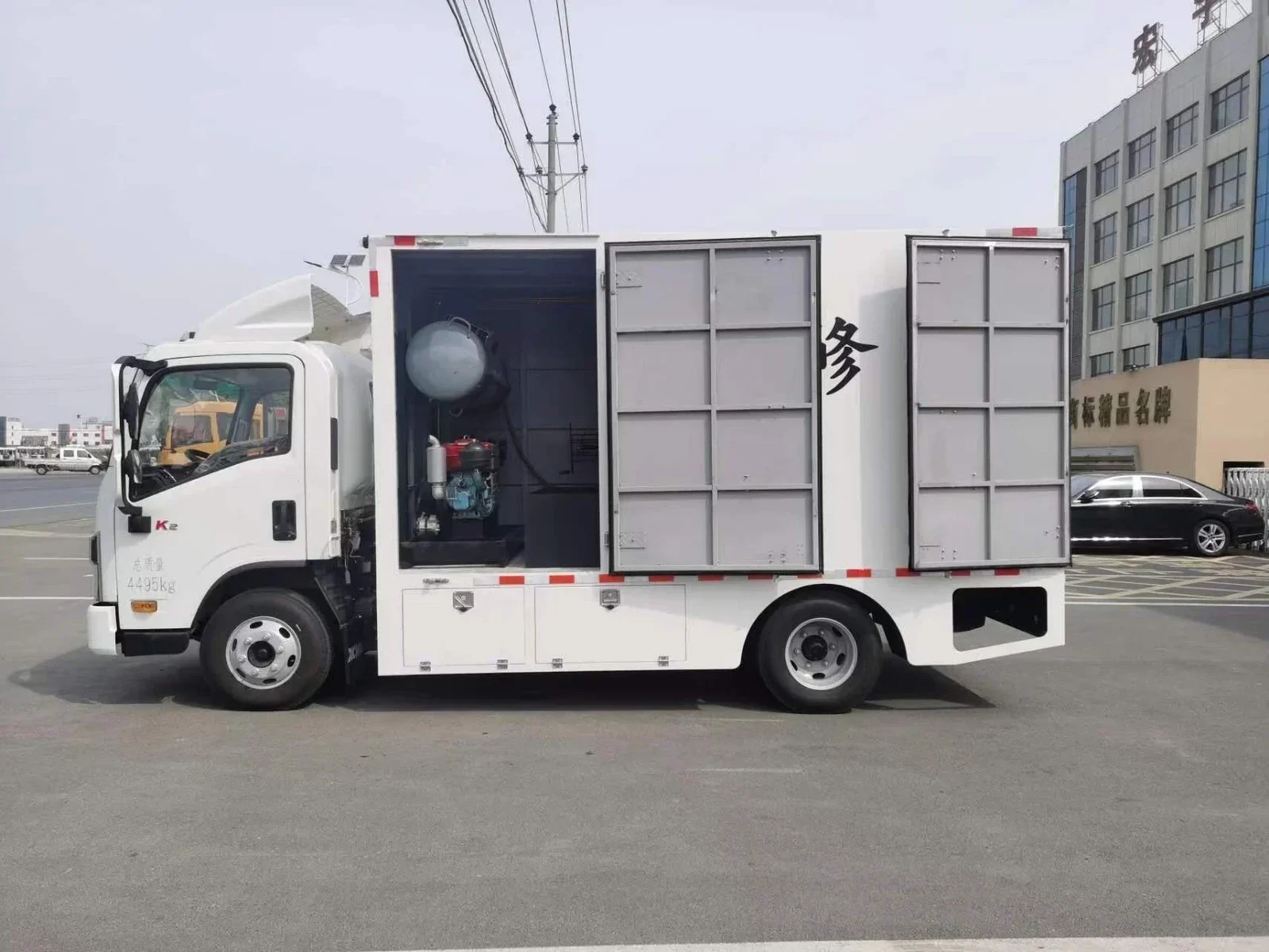
The open equipment bay on Hongyu's workshop shows installed assemblies that should be distinguished from loose tools and transport-removed accessories in a packing inventory. It is not a photograph of packed export cargo.
For an illustrative record, mark a fitted reel as installed, a boxed spare seal as spare supply, and a transport-removed control panel as reinstatement required. The panel row needs its original vehicle association, approved reinstallation instruction and completion check. A receiver must not move it into general stores merely because it arrived in a box. These sample entries are classification examples, not the contents of any SUI AUTO shipment.
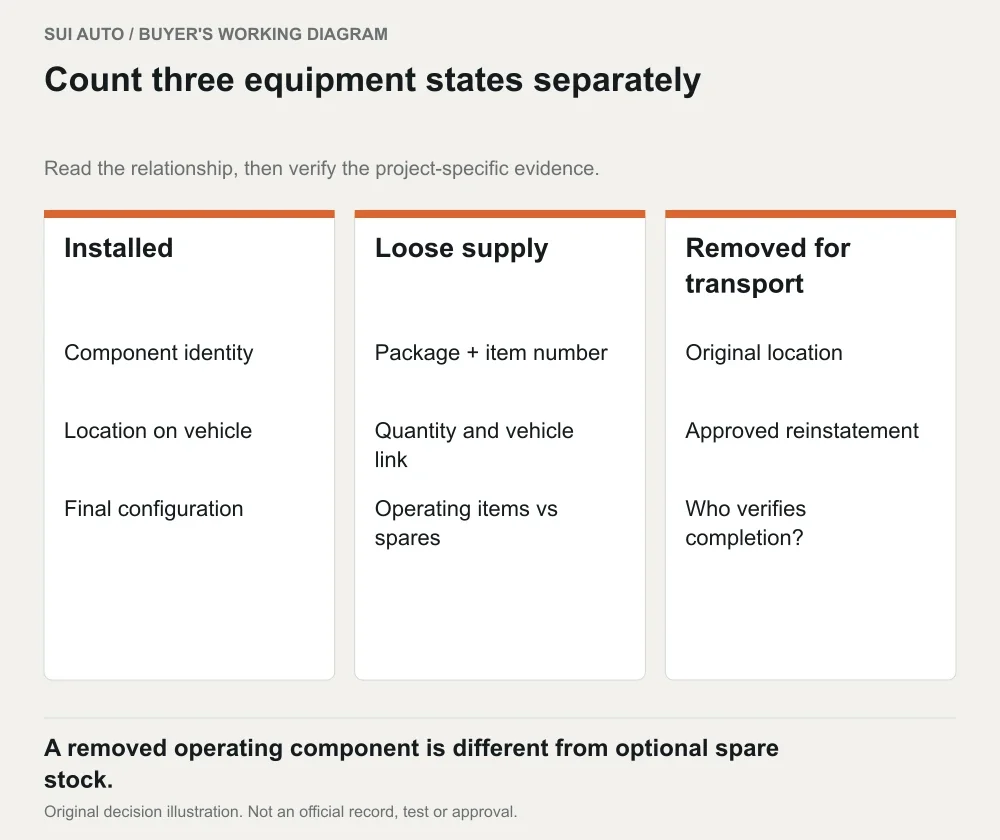
Original inventory-state illustration; it is not an actual packing list.
Check carrier acceptance before using the truck as storage
Ask the forwarder whether the selected service permits loose cargo inside compartments or bodies and how it must be declared and secured. Obtain the carrier's instructions and use competent packing and handling services where necessary. Do not hide parts to avoid documentation or charges. If items travel separately, ask the broker how that affects their description and classification. Batteries, liquids or other sensitive items may require additional review under the actual transport arrangement. A catalogue photograph of a spacious compartment cannot establish that it is an approved shipping container for the items you wish to send.
An illustrative rescue-truck inventory
Consider a rescue truck supplied with equipment selected for the buyer's operational plan. Its inventory lists the agreed items, model references, quantities and package or compartment locations. The inspector confirms that the identities match the technical annex and records any item that could not be opened or checked. The receiver uses the same file on arrival. This is a hypothetical workflow, not evidence that a photographed catalogue truck includes a particular rescue kit. The final equipment scope must be agreed individually, especially when catalogue images show reference accessories that are not part of the quoted build.
Use the list at inspection and receipt
Before departure, reconcile the physical packages with the agreed inventory and photograph their markings. Record any shortage or substitution and its accepted resolution. At arrival, check package count and visible condition before distributing parts to stores or workshops. Retain the transport condition record and the inventory if a discrepancy needs investigation. If a package is not accessible at the terminal, record that limitation and arrange the next agreed check rather than signing an unqualified complete-receipt statement. Consistent records let the supplier, carrier and buyer discuss a missing item from the same evidence.
Can the commercial invoice replace the packing list?
They serve different tasks. The invoice records the commercial transaction, while the packing inventory identifies physical contents and packages. Ask the broker which documents and itemization are required, and keep their identities and descriptions consistent rather than relying on one vague vehicle line.
Should every small part have a separate package?
Not necessarily. Grouping may be practical if the contents remain identifiable and the packing method is suitable. The important points are an accurate item list, a clear package reference and any required handling instructions. Confirm the plan with the supplier, forwarder and receiving workshop.
References and related reading
Planning a purchase? Follow the overseas buyer guide for specification, payment, shipping and import preparation.