Specify the pipe system and its wear basis
Ask for the exact delivery-line construction, component identification and manufacturer-approved wear-assessment basis. Overall outside thickness alone cannot establish usable wear reserve, especially when comparing single-wall and layered components. The selected pipes, bends, couplings and seals must form an approved system for the pump and intended concrete service.
This question concerns procurement of wear components and the acceptance file. It is more specific than matching a delivery interface or choosing boom reach. Buyers need to know what is installed, how the manufacturer defines its limits and which replacement parts preserve the approved configuration.
Compare construction before comparing thickness
Request the pipe model or part number, nominal bore, construction and dimensions. Where the component has more than one layer, ask the supplier to identify the layers and the published inspection basis. Avoid comparing an outer wall measurement directly with another product's wearing-layer figure.
Putzmeister's parts catalogue distinguishes different delivery-line constructions and identifies system-specific components. It is an example of the detail required in a meaningful comparison. Those catalogue ratings do not transfer to another manufacturer's parts, nor do they establish what is installed on the linked reference pump. Ask for the actual delivered system's documentation.
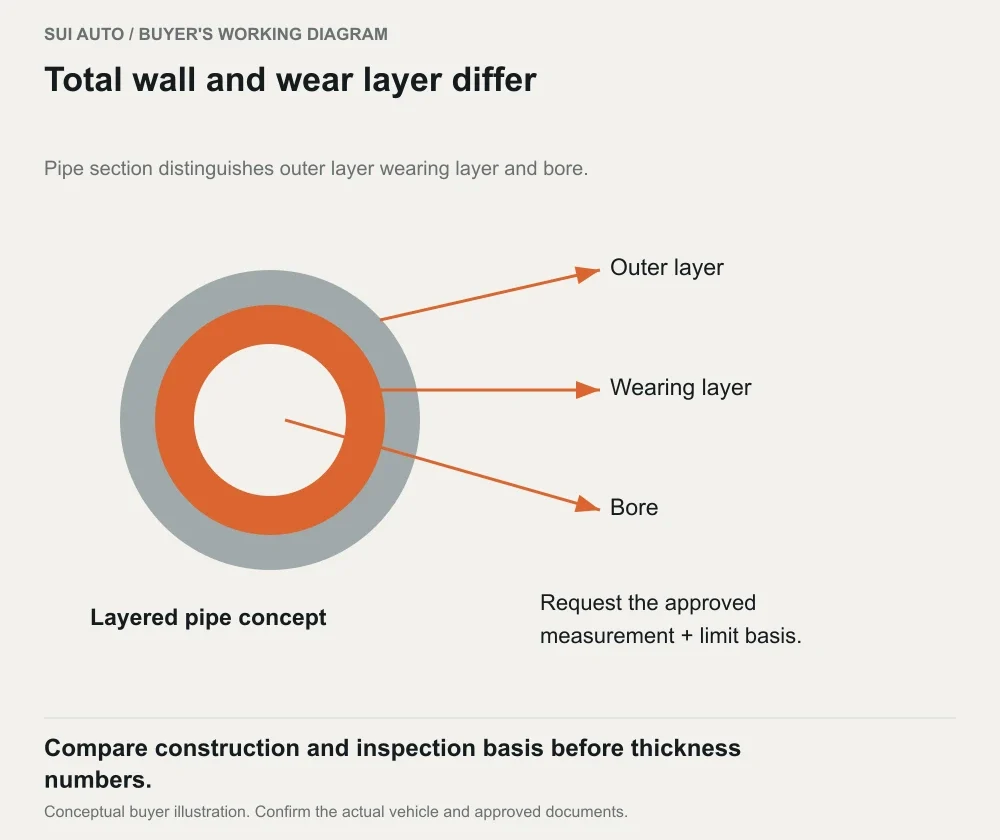
Conceptual illustration. Pipe section distinguishes outer layer wearing layer and bore. Compare construction and inspection basis before thickness numbers.
Treat bends and transitions as named components
An offer for a spare pipe set should identify straight lengths, bends, reducers and other transitions separately. Ask which component is intended for each position. A common bore size does not show that every piece has the same pressure rating, wear behavior or coupling geometry.
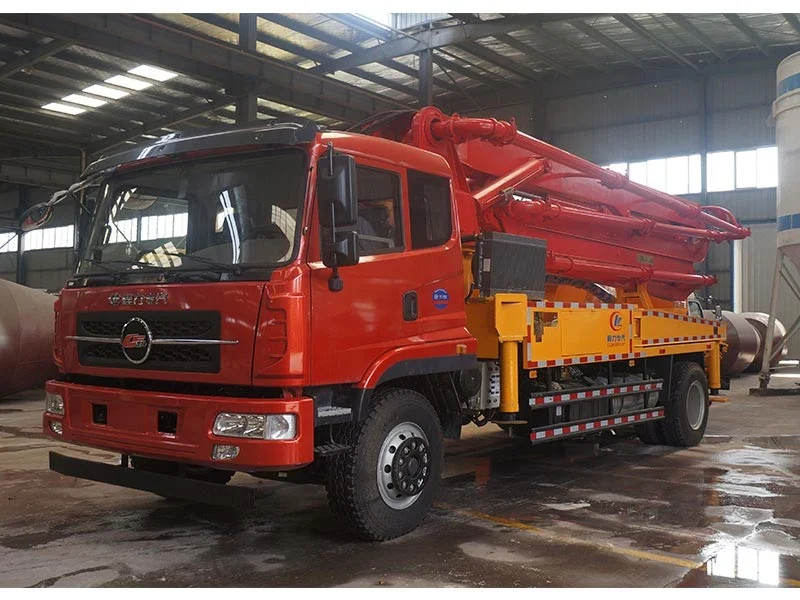
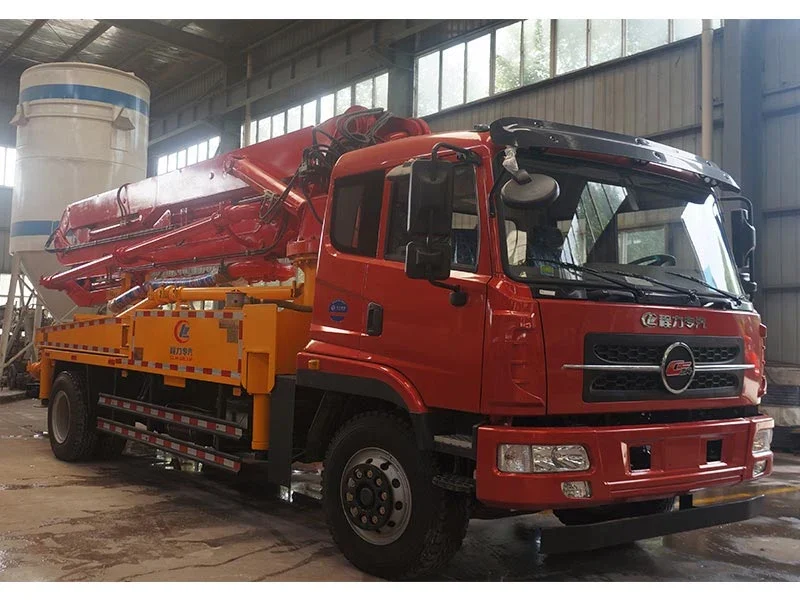
Manufacturer reference photograph. The folded concrete-pump boom carries its delivery line above the chassis; request separately identified bends and transitions.
The quotation should include a position drawing or parts map. This helps the buyer compare complete kits and prevents an apparently cheaper offer from omitting critical transitions. Include seals and approved coupling references where they form part of the supply scope. Count each component against the final system rather than relying on a total number of pieces.
Request the permitted inspection basis
Ask the manufacturer which measurements and criteria apply to each component type. The owner needs the correct manual and inspection responsibility, not an invented universal minimum wall thickness. Layered or specially treated components may need particular interpretation by trained personnel.
Putzmeister describes measurement tools for assessing delivery-line wear. The procurement lesson is to obtain a supported monitoring method and baseline. It does not authorize an untrained buyer to assess an operating pressure system. Measurement access, equipment suitability and rejection criteria should come from the actual component manufacturer's approved procedure.
Use the concrete duty in the supplier assessment
Provide the concrete types expected, aggregate information available from the mix supplier and the intended pumping arrangement. Ask the pump and delivery-line supplier to assess the components for that duty. If the duty changes, the earlier selection may need review.
Do not accept a universal service-life claim based only on pipe hardness or another project's experience. The useful comparison identifies the application assumptions and the evidence supporting the supplier's recommendation. Ask which wear items should be held locally and which require specialist replacement. Price the complete supported kit, including documentation and traceable components.
A hypothetical spare-line comparison
Assume a contractor receives one quotation for generic pipes described by diameter and length, and another for an identified system with a position map. The first offer is cheaper but does not state the coupling series or inspection basis. The buyer requests those details before deciding whether the offers cover equivalent equipment.
The response may show a valid alternative system, missing parts or an unsupported substitution. The buyer then asks the responsible pump supplier to approve the proposed arrangement. This hypothetical case does not claim that one material always lasts longer or that every original-brand component is automatically suitable for any pump configuration.
Acceptance and baseline records
At delivery, check part identities, quantities and relevant markings against the approved schedule. Record any agreed baseline inspection evidence and the responsible inspector. Keep certificates and manufacturer documents connected to the component or batch they represent. Damaged or unidentifiable pieces should be recorded as exceptions.
If a substitute arrives, obtain approval before treating it as interchangeable. Keep the final parts map with the equipment's inspection records. The owner should be able to identify the correct replacement later without measuring a worn component and guessing its original specification. This is particularly useful when several pump models share a parts store.
RFQ checklist
Include pump identity, approved delivery-line arrangement, expected concrete duty and the required component positions. Request construction, dimensions, coupling family, seal references, approved pressure basis and inspection documentation. Ask for manufacturer-approved replacement criteria and the method of recording wear over time.
Clarify who approves compatibility and who provides local technical support. Ask whether transport damage, storage requirements or component substitutions affect acceptance. These questions produce a reviewable equipment package. They also prevent the purchasing team from turning a catalogue maximum into a working-pressure or wear-limit instruction for an unverified assembly.
FAQ: Can I compare pipes by total thickness alone?
No. Construction, material, wearing layer and approved inspection basis must be understood before thickness numbers can support a useful comparison.
FAQ: Does the same bore mean the same coupling fits?
Nominal bore is insufficient. Obtain the exact approved coupling and end geometry for the selected system and confirm compatibility with the responsible supplier.
FAQ: Can a generic minimum thickness be used across the fleet?
Use the criteria for each actual component and system. The manufacturer's approved limits and qualified inspection should govern, especially where constructions differ.
References and further reading
Planning a purchase? Follow the overseas buyer guide for specification, payment, shipping and import preparation.