Specify the complete tyre and wheel arrangement
Choose tyres using the chassis-approved fitment, actual axle loads, operating duty and local service capability. Tyre size alone does not establish load capacity or suitability. Ask for the full tyre designation, load and speed information, wheel specification and the intended single or dual arrangement.
Special trucks can spend substantial time at low speed, carry concentrated equipment loads or work around debris. These conditions should be part of the enquiry. Avoid selecting by appearance or assuming that a larger-looking tyre increases the vehicle's permitted carrying mass. The complete vehicle remains subject to its applicable limits.
Compare the details hidden behind a tyre size
Size: record the exact designation supplied, including whether front, rear and spare positions differ.
Load basis: ask for the relevant tyre capacity in its actual single or dual fitment and the operating conditions specified by the tyre manufacturer.
Wheel: confirm rim compatibility, wheel identification and any restrictions on alternatives.
Duty: describe road speeds, axle loads, stop frequency, surface conditions and debris exposure.
Support: establish local availability of the exact fitment, appropriate service equipment and a replacement policy.
Do not invent inflation values from a generic size chart. The operator needs the vehicle and tyre manufacturer's instructions for the specified configuration and loads. Those instructions should be part of the handover file.
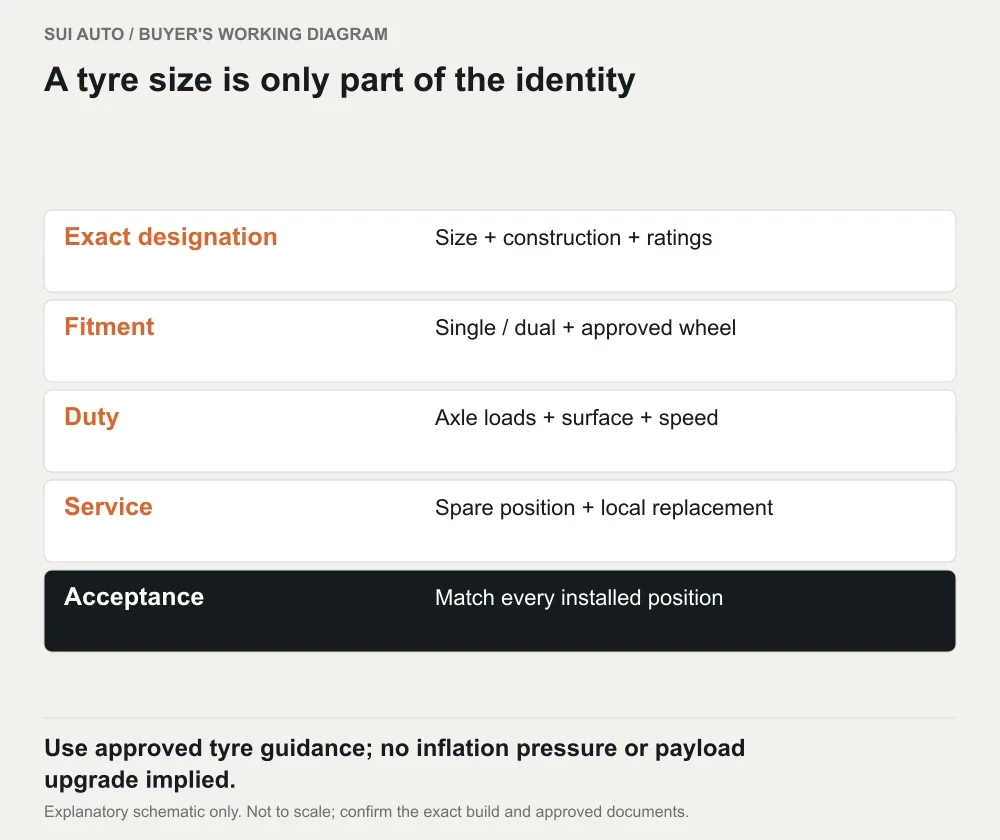
Use approved tyre guidance; no inflation pressure or payload upgrade implied. Explanatory schematic.
Dual tyres change the questions rather than removing limits
A dual arrangement must be reviewed as an approved assembly, including spacing, compatible tyres and maintenance requirements. Counting tyres is not a payload calculation. Ask the chassis supplier to identify the permitted fitment and the applicable capacity basis.
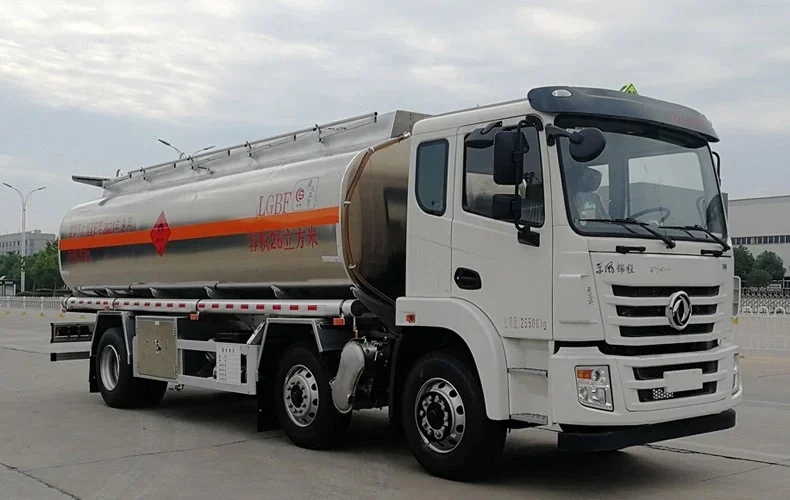
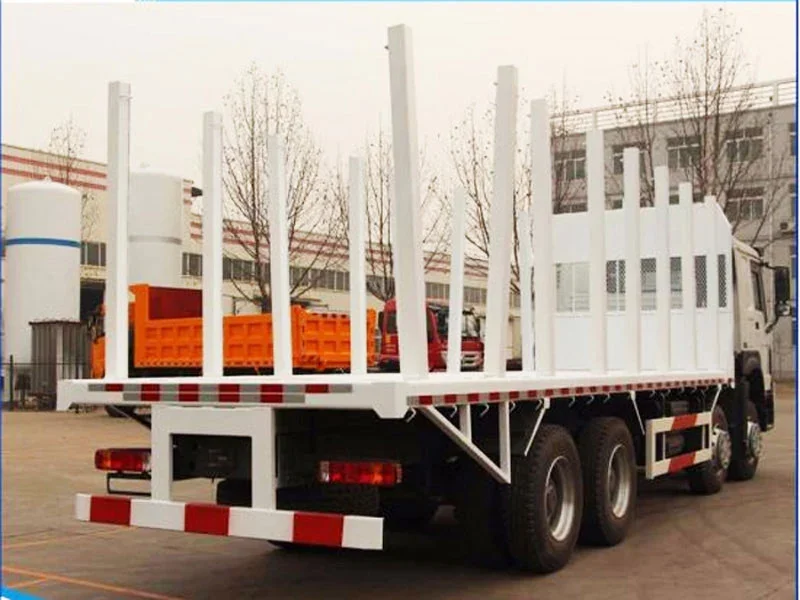
Manufacturer reference photograph. The tanker chassis shows the wheel positions and rear axle group; tyre sidewall ratings need close identification and manufacturer data.
For a buyer, the practical issue is service readiness. Can the local workshop access the inner tyre, inspect the assembly and obtain the correct replacements? Does the supplied spare suit the intended position, or are different front and rear fitments used? Record the answer in the equipment list.
A tyre substitution can also affect clearance, rolling circumference, controls and the road-speed relationship. Require a formal review rather than accepting any size that fits the wheel opening visually.
A hypothetical regional-service choice
Assume a municipal fleet works mainly on paved roads but regularly enters a debris-covered disposal facility. It can obtain one approved tyre fitment locally within normal service arrangements, while another requires special ordering. These are hypothetical purchasing conditions.
Ask both suppliers to explain the proposed tread and construction for the duty. Then compare replacement access, workshop capability and the need for additional spare stock. A fitment that appears attractive in a brochure can become an availability problem if the fleet cannot replace it promptly.
Use operating records where available. Document actual failure types and route conditions before requesting a change. Repeated cuts, abnormal wear and punctures may have different causes. The answer may involve operating conditions, alignment, loading or maintenance as well as tyre selection.
Link tyre review to axle-weight evidence
A truck's measured axle loads help establish whether the proposed fitment is being assessed against realistic conditions. Request the finished vehicle's empty and intended loaded-state information. Where loading is uneven, ask the competent technical team whether further wheel-position information is needed.
Do not treat a higher tyre rating as permission to exceed the chassis, axle, suspension or route limit. Likewise, a published gross mass cannot prove that every tyre position is adequately specified. The comparison must cover the relevant limits together.
Manufacturer product references often list tyre sizes as part of a historic configuration. Retain that identity information, then ask for confirmation of the actual quoted fitment. Availability or destination requirements may lead to a reviewed alternative that needs updated documentation.
RFQ and acceptance checklist
Provide the route surfaces, normal speeds, operating masses, stop pattern and local service constraints. Request full tyre and wheel specifications, fitment positions, spare arrangement and manufacturer maintenance instructions. Ask how any alternative will be reviewed and documented.
At acceptance, reconcile all tyre positions and the spare with the specification. Inspect identification, condition and wheel compatibility through the agreed competent inspection process. Confirm that the operator receives the correct load and inflation guidance, service procedure and replacement references.
Record tyre and wheel information in the vehicle file alongside axle weights and chassis identity. When replacing tyres later, use that file rather than relying on the size written on a purchase invoice. Keep approved changes traceable.
Plan replacement identification before the first failure
Ask the supplier to provide clear tyre and wheel photographs showing the relevant identification. Keep the approved fitment list with procurement and maintenance staff, not only in the driver cab. If local replacement availability is a deciding factor, request a written supply check for the exact specification. This turns a broad claim about common tyre sizes into a useful service plan. Review any substitute through the proper technical process instead of treating an urgent replacement as permission to bypass compatibility checks.
Can a higher tyre load rating increase the truck's legal payload?
It does not raise other vehicle or route limits. Review the complete configuration and applicable requirements.
Does the same size mean two tyres are interchangeable?
Construction, rating, wheel compatibility and the approved fitment can differ. Confirm the full specification and manufacturer's guidance.
Should the spare match every wheel position?
Some vehicles use different position requirements. Ask the supplier to state the intended spare-use arrangement and any operating restrictions clearly.
References and further reading
- Isuzu official body builder guide access
- Daimler Truck official commercial-vehicle body builder information
- CLW HOWO 8×4 Logging Truck manufacturer reference
- Hongyu Jinbei Refrigerated Van manufacturer reference
- CLW HOWO Heavy Tow Truck manufacturer reference
- CLW HOWO 8×4 Logging Truck
- Hongyu Jinbei Refrigerated Van
- CLW HOWO Heavy Tow Truck
- Overseas buyer guide
Planning a purchase? Follow the overseas buyer guide for specification, payment, shipping and import preparation.