Require an approved installation explanation
Ask the installer to explain how the crane, subframe and chassis mounting arrangement satisfy both the crane installation requirements and the actual chassis bodybuilder instructions. More steel or a fully welded-looking structure does not independently prove a suitable design. The approval file should identify the vehicle, drawings, assumptions and responsible technical sign-off.
This is a focused review of torsional interaction and installation evidence. It differs from requesting a general chassis interface approval. A loader crane introduces working loads and stabilizer reactions, while the vehicle still experiences road use. The responsible integrator must assess those conditions together for the supplied build.
Identify the exact documents that govern the installation
Request the chassis model, relevant bodybuilder instructions and crane installation document. Confirm revisions and applicability to the intended chassis configuration. A manual for another brand, wheelbase or frame arrangement should not be accepted as the design basis merely because the vehicle looks similar.
DAF and Volvo make bodybuilder guidance available for their own products. These are examples of manufacturer-specific resources, not instructions to be applied to the Dongfeng, FAW or other linked reference vehicles. The buyer should ask the actual chassis supplier to identify the governing documents and any project-specific approval required for the installation.
Ask what the subframe is intended to do
The drawing should show the crane position, support arrangement, subframe extent and attachment locations. Ask the integrator to explain its structural concept and the operating conditions it addresses. A purchasing team needs that explanation without prescribing a universal stiff or flexible mounting solution.
DAF's superstructure guidance discusses torsional stiffening in specified applications. The relevant lesson for procurement is that structural treatment depends on the installation. Do not copy a reinforcement detail or a distance from another truck's manual. Have the responsible engineer establish the arrangement for the actual chassis, body and crane combination.
Review road and working conditions separately
Give the installer route conditions, cargo arrangement and the intended lifting brief. Ask which road, stationary working and transport states are covered in its assessment. Confirm how selected equipment and loads appear in the calculations. A crane installation should not be assessed against an equipment list that later changes without review.
The buyer should also identify restricted working-space requirements and ask for the corresponding approved crane and stabilizer arrangement. Ground conditions and lifting plans remain site-specific responsibilities. An installation approval does not establish that every future work location is suitable. Keep the vehicle design scope distinct from the operator's planned-site assessment.
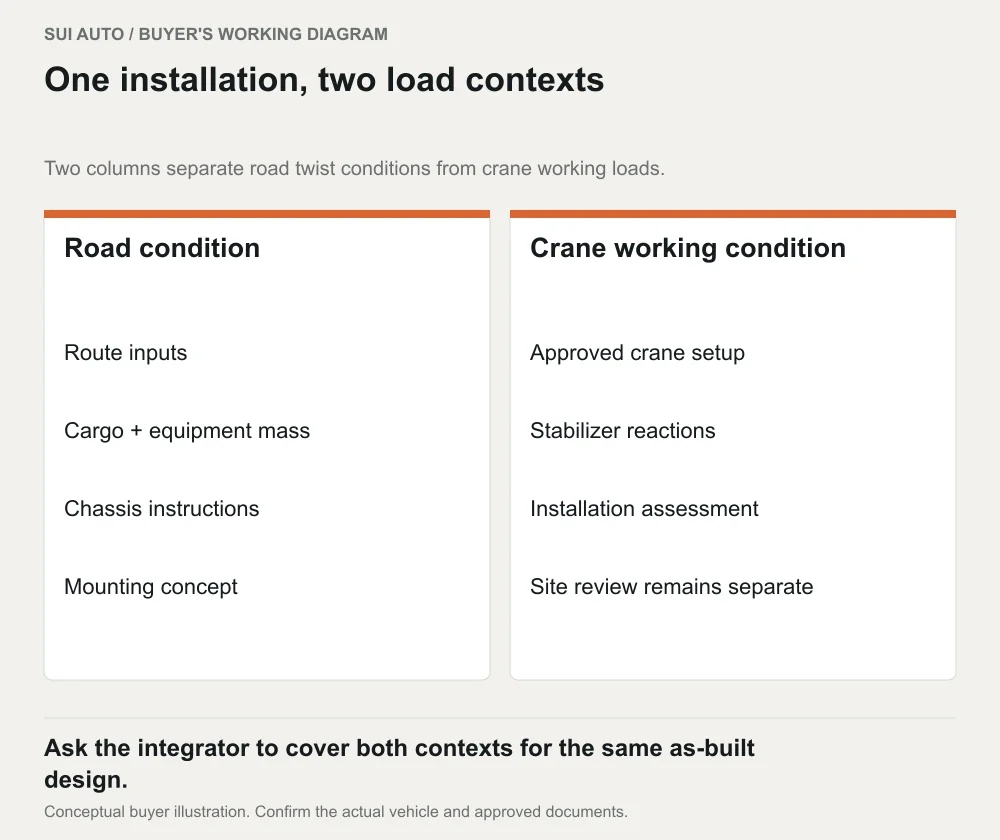
Conceptual illustration. Two columns separate road twist conditions from crane working loads. Ask the integrator to cover both contexts for the same as-built design.
Connect the drawing to the fabricated vehicle
Ask which dimensional, attachment and fabrication checks will be recorded. Important details may become difficult to inspect after the cargo platform or other equipment is installed. Agree a practical record before production, including photographs or inspection reports where appropriate.
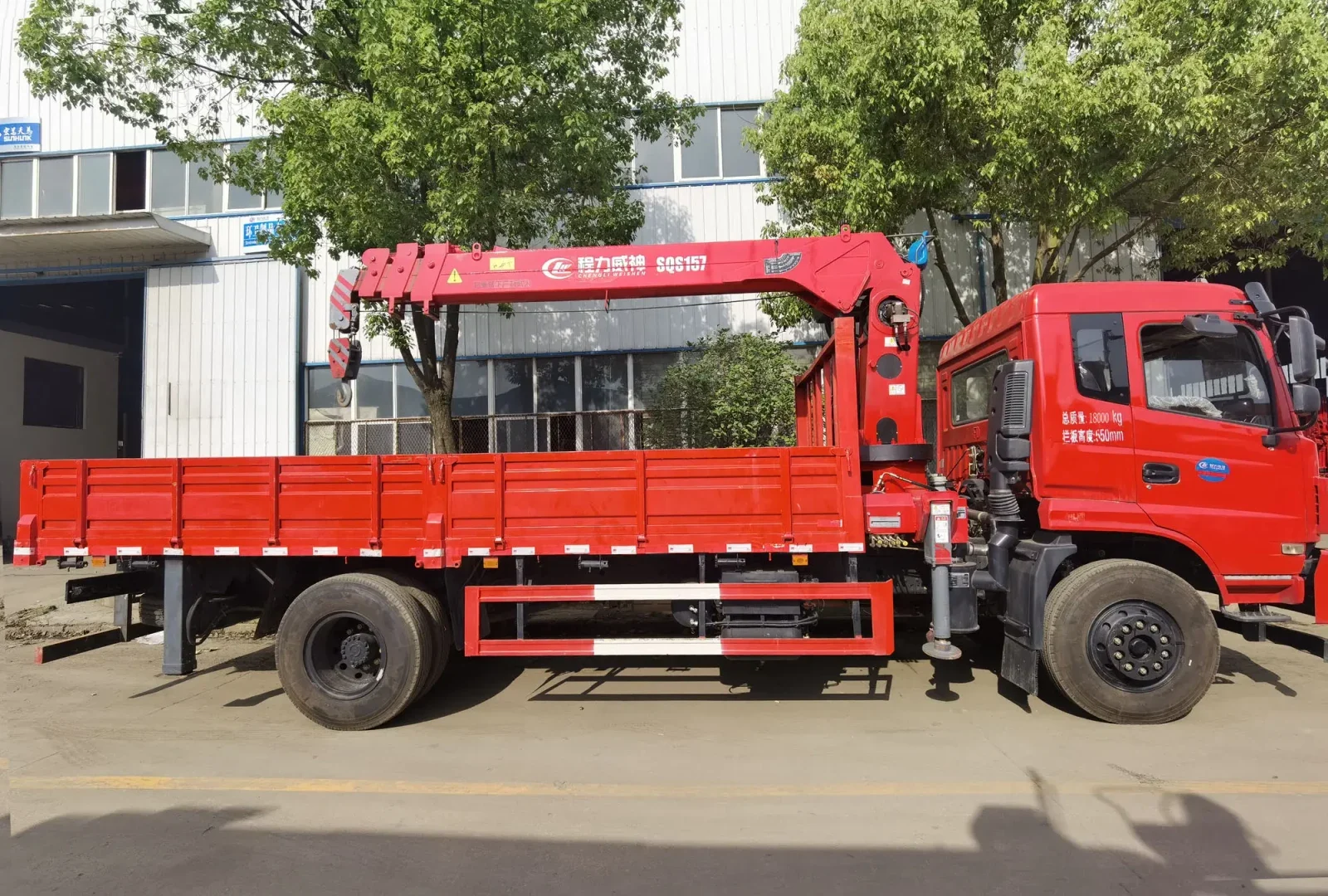
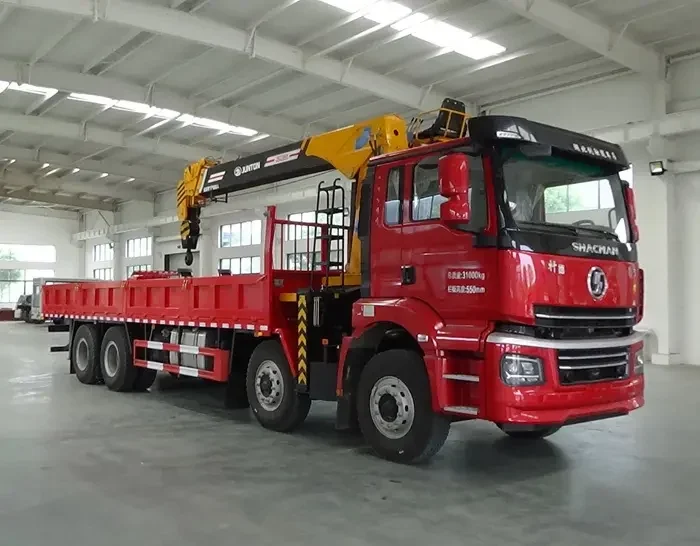
Manufacturer reference photograph. The crane base sits immediately behind the cab and ahead of the cargo bed; match these installation locations to approved drawings.
Check that the final file names the installed components and approved drawing revision. If attachment locations or the crane variant differ, obtain a documented technical response. A late photograph of a completed truck cannot by itself explain whether a hidden mounting change was accepted. The supplier should resolve deviations through the same responsible approval route used for the original design.
A hypothetical rough-access delivery fleet
Assume a buyer selects a loader crane for deliveries that include uneven access roads. One offer describes a reinforced chassis but provides no mounting concept. Another identifies the chassis instructions, subframe drawing and installation approval scope. The buyer asks both suppliers to address the stated road and working conditions.
The outcome may change the mounting design, cargo-platform arrangement or chassis choice. It does not automatically mean a heavier subframe is needed. This hypothetical comparison is about supported integration, not an engineering calculation. The actual design must be approved by the competent parties using the specific vehicle and crane data.
Acceptance evidence to request
Include approved installation drawings, component identities, calculation or approval references, relevant fabrication inspection records and the as-built equipment register. Ask the installer to identify the required functional and safety-device demonstrations. Those checks should be conducted through the manufacturer's approved procedures.
Review the file for consistency before accepting the vehicle. Match nameplates, positions and accessible details to the approved configuration. Record any checks that remain for local commissioning. Do not replace technical approval with a general promise that the truck was built strongly or that the factory has produced similar cranes before.
Questions for the quotation review
Which chassis bodybuilder instructions apply? Who approves the subframe concept? Which mounting changes require chassis approval? What load and stabilizer cases are included? What evidence will identify the fabricated arrangement? Who reviews substitutions and later repairs? Which limitations must be passed to the owner?
The answers should name documents and responsible parties. This makes comparable offers easier to assess and helps the service team understand the installation later. A clear approval file also exposes missing scope before construction, when resolving it is usually simpler than discovering the issue on a completed vehicle.
FAQ: Is a thicker subframe always better?
Thickness alone does not establish a suitable installation. The responsible engineer must assess the complete mounting concept, loads and chassis requirements.
FAQ: Can the buyer specify welding the body directly to the frame?
Do not prescribe a mounting method without the applicable chassis and installation approvals. Request the manufacturer's approved design and its documented basis.
FAQ: Does factory installation approval cover every lift site?
It covers the installation within its stated scope. Site ground conditions, setup and lifting plans still require the responsible operator's assessment.
References and further reading
Planning a purchase? Follow the overseas buyer guide for specification, payment, shipping and import preparation.