Give the supplier a downhill duty, not a brake-brand preference
For hilly work, review the completed truck's loaded mass, gradients, descent lengths and braking systems together. Ask the supplier to confirm the suitability of the actual configuration. A list containing ABS, an exhaust brake or a retarder does not by itself establish that the vehicle meets your route requirement.
This is a procurement review, not driving instruction. Operating speeds, gear use and braking procedures must follow the vehicle documentation, competent training and applicable local requirements. The buyer's role is to give the supplier a realistic duty and obtain a traceable specification and verification plan.
Separate the systems and their documented functions
Service brakes provide the normal braking function. Parking and emergency arrangements have their own defined roles. Auxiliary braking systems can help manage a descent within the capability of the installed equipment. Ask which exact systems and controls are supplied rather than assuming the presence of one from a chassis family name.
Request the actual axle, brake and control configuration. Confirm whether a quoted auxiliary system is standard, optional or merely available elsewhere in the range. Where the body requires air or electrical interfaces, ask how those interfaces are reviewed without compromising the chassis systems.
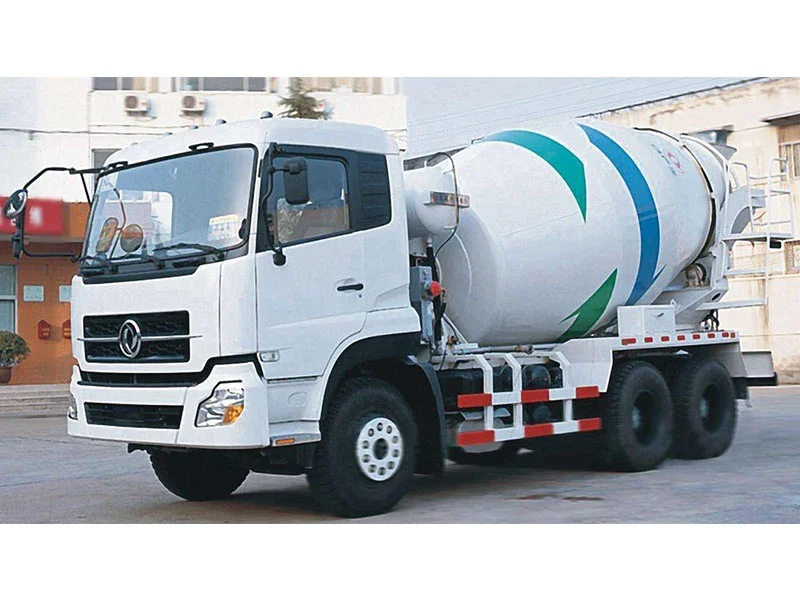
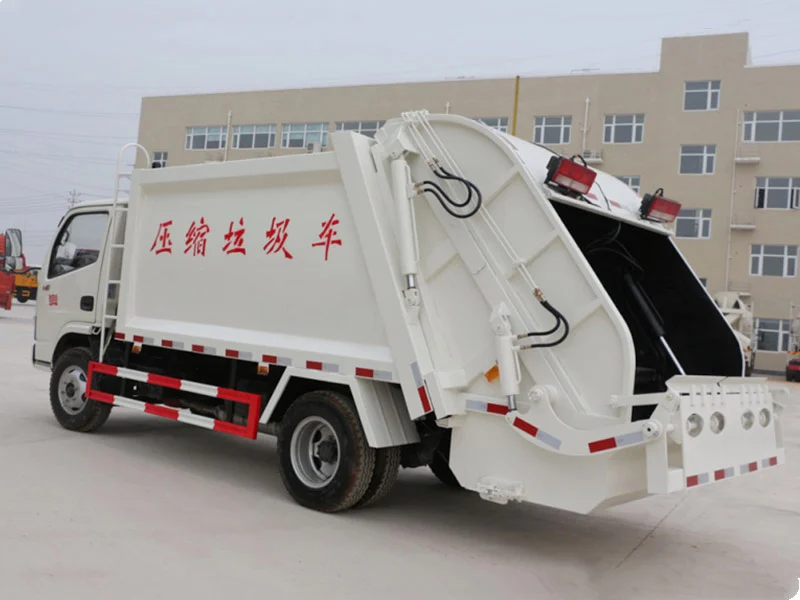
A special body can also change mass distribution and access to components. The braking review should therefore use the finished vehicle, not an unrelated cab-chassis demonstration.
Compare route information in useful units
Gradient: describe both the steep sections and their length. A maximum gradient figure without distance gives an incomplete picture.
Mass: state the relevant loaded and partially loaded conditions, including equipment and consumables.
Frequency: distinguish an occasional descent from repeated loaded cycles throughout a shift.
Surface and access: identify road condition, constrained turns and areas where stopping or manoeuvring is required.
Support: identify who can inspect and maintain the installed brake and auxiliary systems locally.
These entries let a supplier explain the proposed configuration. Avoid inventing a universal descent speed or acceptance distance from generic online advice. The correct criterion belongs to the exact vehicle and applicable requirements.
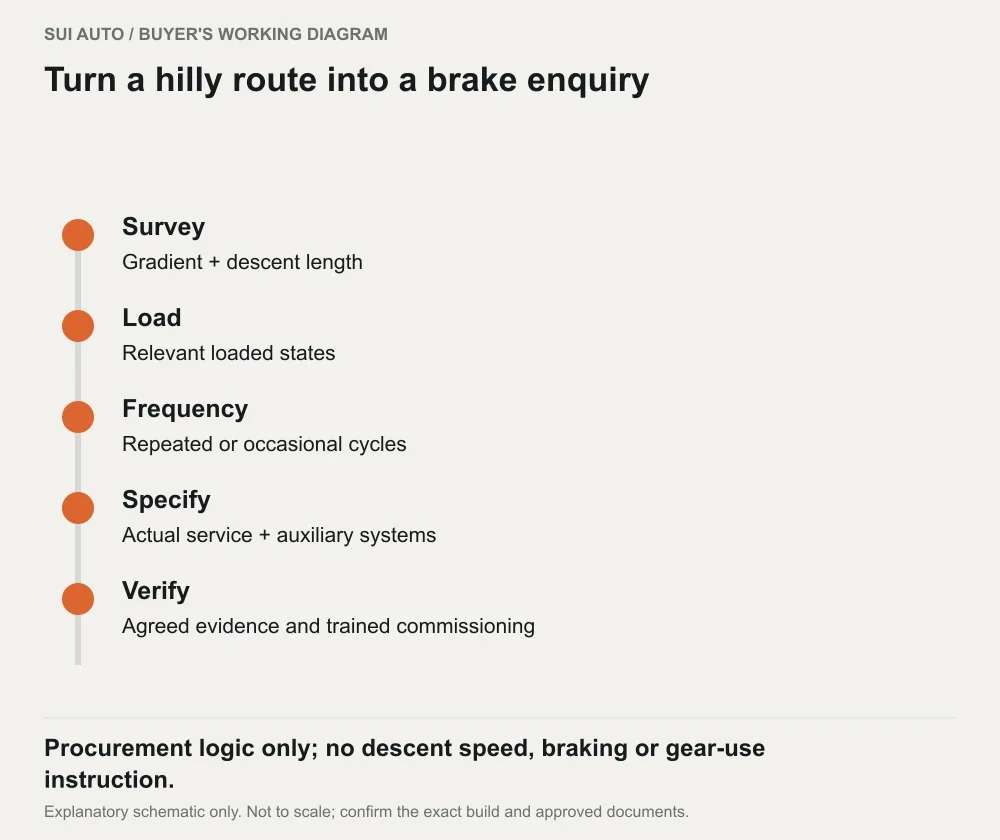
Procurement logic only; no descent speed, braking or gear-use instruction. Explanatory schematic.
A hypothetical mountain-service enquiry
Assume a municipal contractor collects material on an elevated industrial site and returns loaded to a lower disposal point. Several descents repeat each day. The buyer should provide the route survey and anticipated mass states to both chassis and body suppliers.
Ask each proposal to identify the service and auxiliary braking equipment, relevant limitations and the basis of its route assessment. If one offer includes a retarder and another an exhaust brake, compare their documented functions for the intended duty instead of treating the names as equivalent.
Agree an appropriate verification method with competent technical personnel. A factory yard may not reproduce the route. In that case, document what the factory test establishes and what remains for engineering review or controlled commissioning. An unperformed descent test cannot be reported as passed.
Review the body installation and maintenance consequences
Tanks, tool lockers and hose storage should not obstruct routine brake-system inspection or required maintenance. Request access drawings for the finished vehicle. Ask how the body installation preserves the chassis manufacturer's permitted routing and service clearances.
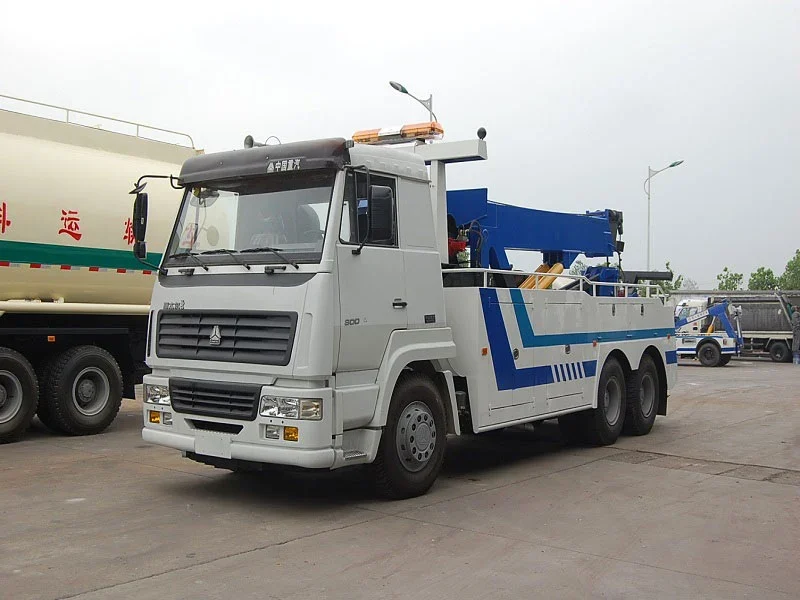
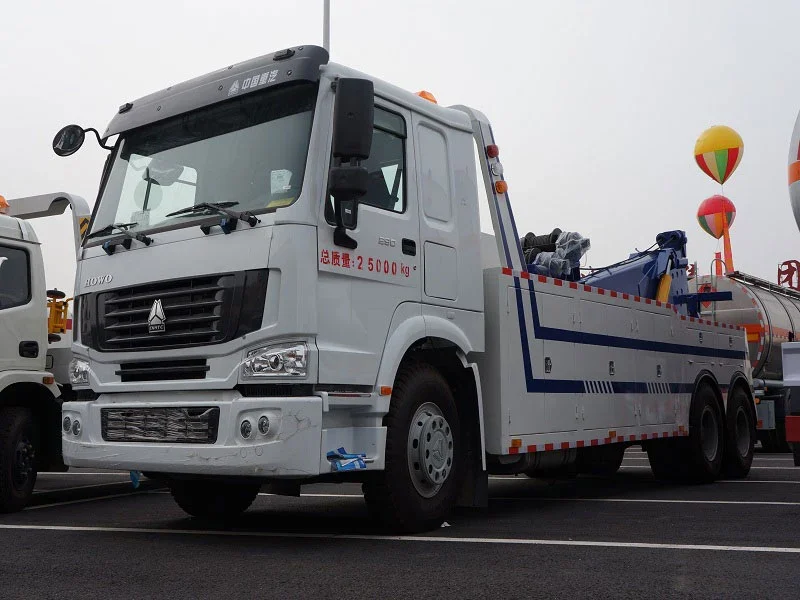
Manufacturer reference photograph. The long heavy-recovery installation provides a complete-vehicle mass and overhang context for downhill-duty review.
For pneumatic systems, identify any body equipment that uses air and confirm the approved interface. For electrical controls, retain the relevant diagrams and component references. An accessory that appears convenient can create a maintenance problem if its integration is undocumented.
Include brake wear items and inspection capability in the service plan. Buying a truck with additional systems creates a corresponding need for trained support and correct parts. A brand-wide statement about local availability is less useful than the installed component list and a capable workshop contact.
RFQ and acceptance checklist
Send route gradients and lengths, expected mass states, cycle frequency and destination. Request the exact brake and auxiliary-system specification, chassis identity, maintenance information and the supplier's verification proposal. Identify any body air or electrical interfaces.
At acceptance, check component identity and documentation, warning indications and the agreed functional tests under qualified supervision. Retain test conditions and results with the final vehicle file. Do not substitute an unloaded promotional stopping demonstration for the agreed acceptance process.
Have the operator-training plan cover the actual installed systems and their limitations. Record unresolved route assumptions and close them before assigning the vehicle to the duty that depends on them.
Agree how substitutions will be reviewed
A change to axle, brake equipment, tyres or loaded mass can affect the original route assessment. Include a requirement for the supplier to identify and review such changes before delivery. Keep the resulting technical documents with the revised quotation. This is particularly useful when a chassis is sourced from a different production batch than the first proposal. The buyer should be able to trace the braking specification of the delivered vehicle without reconstructing a series of informal messages or relying on a generic family brochure.
Does ABS prevent overheating on a long descent?
ABS and thermal capacity address different aspects of braking. Ask for a complete route-specific review of the installed systems.
Is a retarder always required?
The answer depends on the exact vehicle, route, applicable requirements and engineered assessment. Do not infer a universal rule from one model.
Can I compare brake performance from unloaded videos?
Only against what those controlled conditions actually demonstrate. Loaded route suitability needs the agreed technical evidence and verification basis.
References and further reading
- Isuzu official body builder guide access
- Daimler Truck official commercial-vehicle body builder information
- CLW HOWO Heavy Tow Truck manufacturer reference
- CLW HOWO 8×4 Logging Truck manufacturer reference
- Kaili Shacman Delong Combination Sewer Truck manufacturer reference
- CLW HOWO Heavy Tow Truck
- CLW HOWO 8×4 Logging Truck
- Kaili Shacman Delong Combination Sewer Truck
- Overseas buyer guide
Planning a purchase? Follow the overseas buyer guide for specification, payment, shipping and import preparation.