Specify coverage evidence separately from hygiene acceptance
Ask for evidence that the proposed cleaning arrangement reaches the tank surfaces and internal obstructions in the actual design. A rotary head in the equipment list does not establish coverage behind partitions, supports or fittings. Coverage assessment is one part of a cleaning program; it does not independently prove that a tanker meets every product-hygiene requirement.
The purchase question is precise: what will the supplier show about cleaning-device access and coverage before handover? This is more focused than a general stainless-steel or milk-tanker buying guide. The answer should connect a drawing, an approved assessment method and a clearly defined result.
Give the cleaning specialist the internal geometry
Provide the tank arrangement, compartments, openings and product-contact fittings. Ask the builder to identify baffles, pipework and other features that may obstruct the cleaning device. Include the drainage arrangement and any surfaces outside the main shell that remain product-contact areas.
Alfa Laval's cleaning-device questionnaire requests tank geometry, obstructions, residue information and available cleaning-system conditions. Use those categories to make the RFQ more complete. It is not enough to give only total capacity and request an automatic cleaner. The selected device must be assessed in the context of the tank and cleaning task.
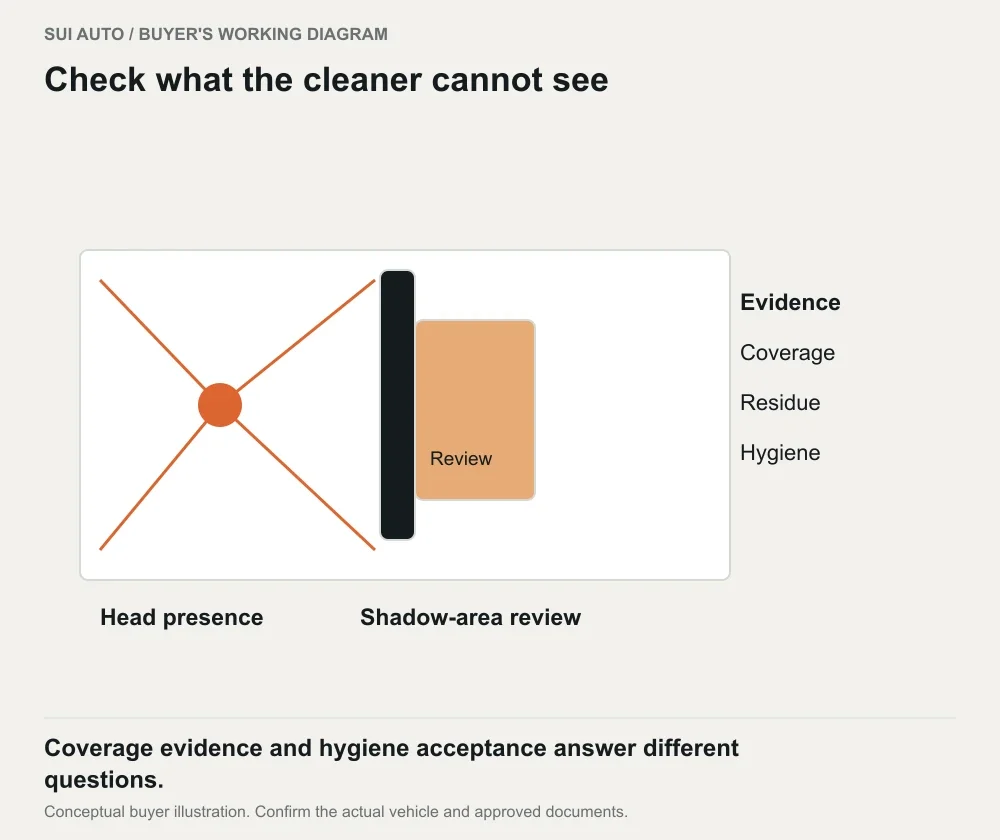
Conceptual illustration. Tank concept marks an internal obstruction and separates three cleaning evidence scopes. Coverage evidence and hygiene acceptance answer different questions.
Define what cleanliness means for the product
Different buyers may require visible cleanliness, a particular residue result or a validated hygiene outcome. State the intended product and the standard of evidence your quality team requires. Identify cleaning agents and other process conditions through the responsible specialists. A procurement team should not invent a chemical recipe from a catalogue.
Ask the cleaning specialist to distinguish surface coverage, removal of the actual residue and the final hygiene assessment. These questions may require different evidence. A successful coverage demonstration should be described accurately rather than being presented as proof of microbiological cleanliness. The buyer's product-quality team should approve the acceptance scope before manufacture.
Check the supporting system as well as the head
The cleaning head's selected operating conditions depend on the supplied cleaning system. Request the specialist's application selection and identify the relevant flow, pressure and other conditions in its approved design. Make clear whether the truck includes that supply equipment or expects the depot to provide it.
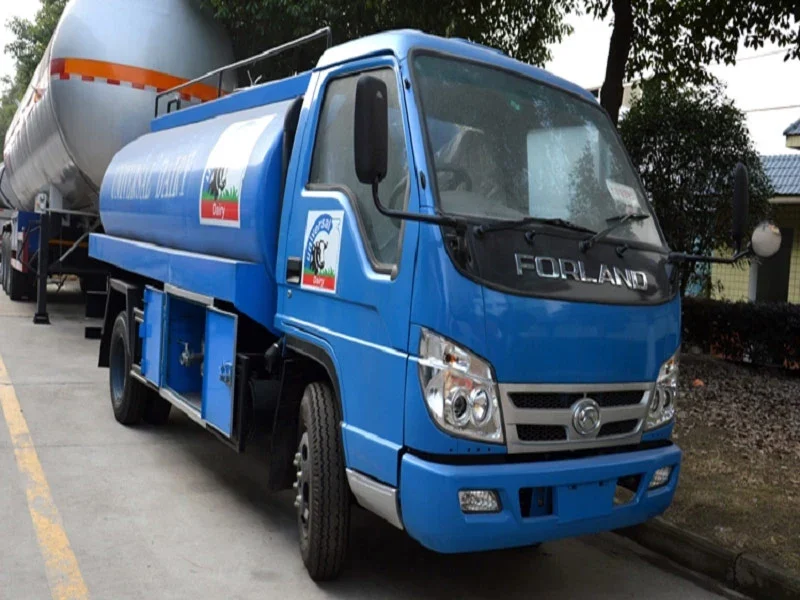
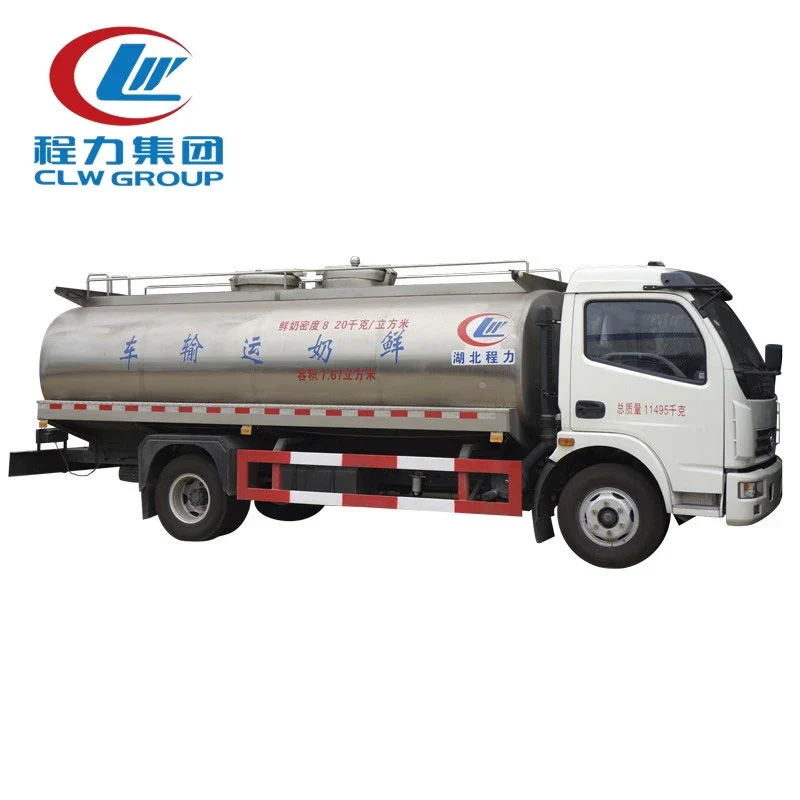
Manufacturer reference photograph. The milk-tanker exterior shows top-access fittings and a compact tank layout; internal cleaning coverage requires geometry and separate evidence.
Compare the proposed depot interface against what is available at your facility. A head selected under conditions that the depot cannot provide leaves an unresolved integration problem. Also ask which pipework, valves and product-contact fittings are included in the cleaning scope. A tank-shell assessment alone may not cover the complete product path.
Use coverage tests within their proper scope
STERIS describes a fluorescent coverage method used to assess cleaning-device reach in process equipment. That illustrates a type of evidence a specialist may propose. It does not mean every tanker requires the same method or that the method by itself validates an entire food-cleaning process.
Ask the responsible specialist which assessment is suitable for the actual tank and residue. Agree the reporting format, observed areas, limitations and approval responsibility. The buyer should review the result and its scope. Testing inside tanks and handling cleaning equipment require qualified personnel and approved procedures; this article gives procurement questions, not entry or chemical-handling instructions.
A hypothetical partitioned milk tank
Assume a dairy operator requests several compartments and a cleaning device in each. The initial drawing shows internal supports close to a cleaning head, but the quotation contains only a parts list. The buyer asks the specialist to assess the actual arrangement and propose how coverage will be demonstrated.
The response could change head positioning, access details or the agreed verification plan. The buyer then checks whether the depot system can support that selection. This hypothetical decision does not establish that the linked vehicles have a validated cleaning system. Their product pages provide body references; the purchased build needs its own approved documentation.
Put the result in the acceptance file
Require the final tank drawing, selected cleaning-device references, application approval, supply-interface specification and the agreed coverage report. Record which surfaces were assessed and which were excluded. Include photographs or diagrams that identify the observed locations rather than relying only on a statement that cleaning was successful.
Have the supplier document changes made after assessment. A moved fitting or new obstruction may affect the relevance of an earlier result. Ask who reviews such changes and who can approve a repeat assessment. The quality team should keep coverage evidence alongside its separate residue and hygiene acceptance records.
Questions to resolve before ordering
What residue and product are assumed? Which internal surfaces need verification? What obstructions have been reviewed? Who selects the cleaning head? Which supply conditions are required, and who provides them? What does the proposed test demonstrate? Who approves the remaining hygiene requirements?
Also request replacement-part identification for product-contact seals and the selected cleaning device. A future substitute should receive the appropriate technical and quality review. The aim is to preserve a traceable design and cleaning basis throughout service, rather than treating a shiny interior photograph as permanent evidence of suitability.
FAQ: Does a rotating spray head prove full coverage?
Its presence alone does not establish coverage for the actual geometry. Request an application assessment and the evidence agreed for the installed arrangement.
FAQ: Is coverage the same as cleaning validation?
Coverage is one question within a broader cleaning assessment. Residue removal and hygiene acceptance require the evidence defined by the product-quality team.
FAQ: Can a test on another tank be reused?
Only where the responsible specialist establishes that it represents the supplied design. Differences in geometry, obstructions or supply conditions must be assessed explicitly.
References and further reading
Planning a purchase? Follow the overseas buyer guide for specification, payment, shipping and import preparation.