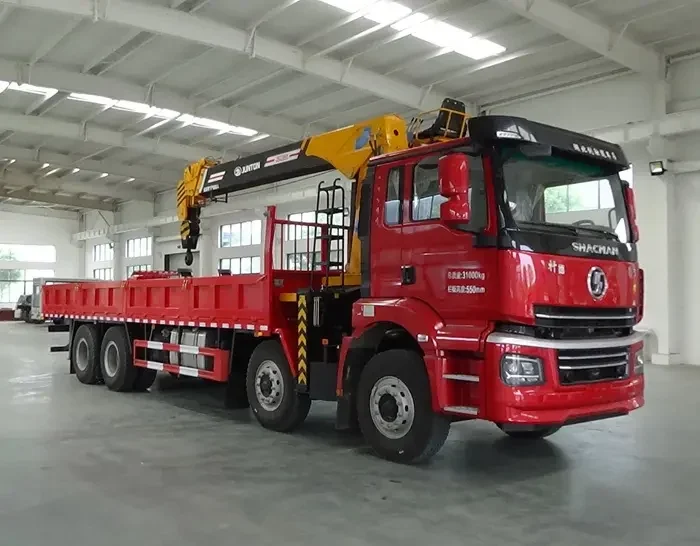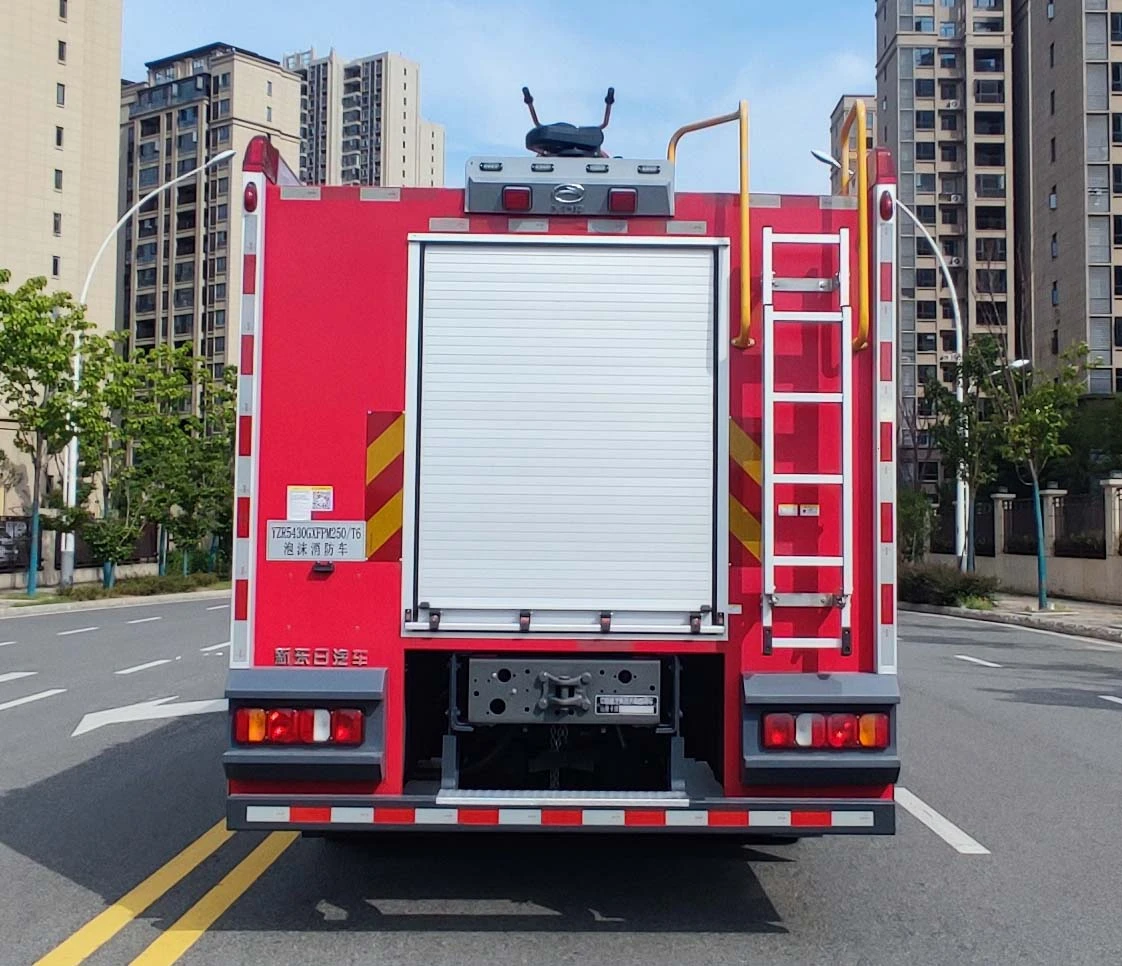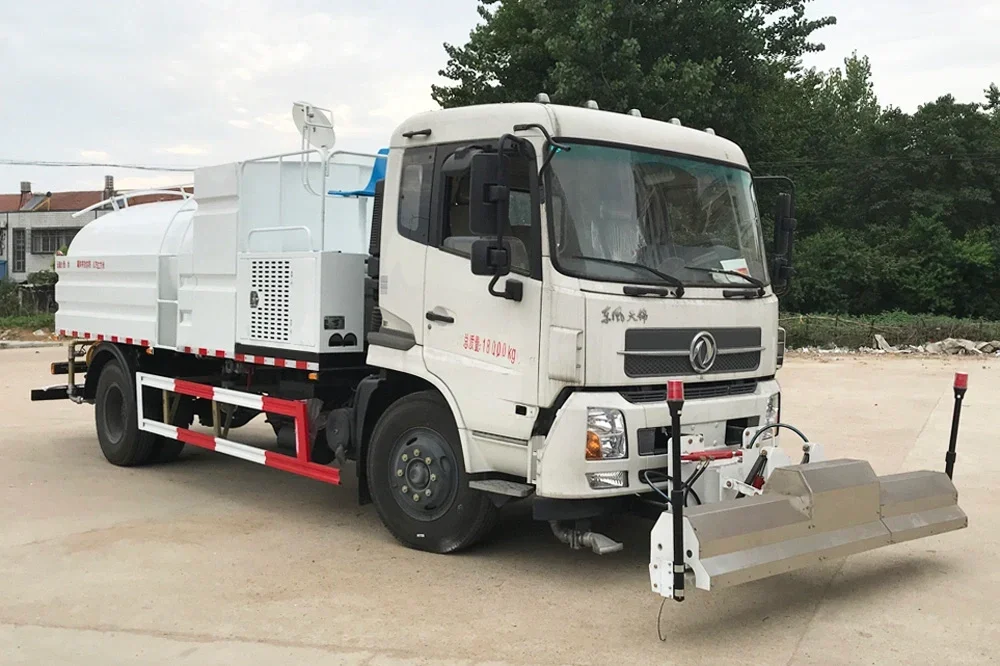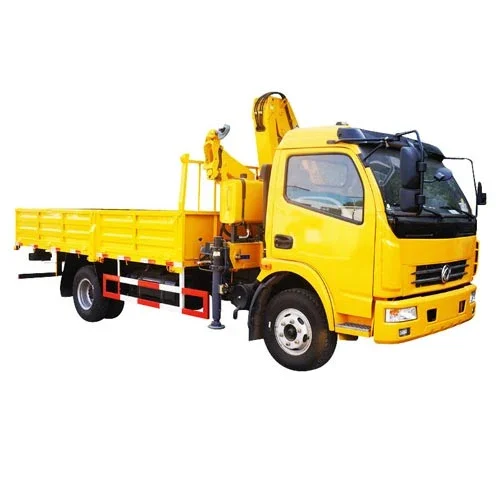
Choose a transport method for the actual shipping configuration
RoRo and flat-rack shipping are different handling arrangements, and availability depends on the route and carrier. A running truck may be considered for roll-on/roll-off service, while flat-rack or other special-cargo handling may be reviewed for an oversized configuration. Neither method should be selected from a brochure photograph. Supply the vehicle's measured transport dimensions, weight, condition, mounted equipment and any loose cargo. Ask the forwarder to obtain carrier acceptance for that precise configuration. The preferred method is the one that fits the route and handling requirements at an understood total cost, not simply the lowest unqualified freight figure.
What to clarify for a RoRo proposal
Ask whether the selected service accepts your vehicle type and whether it must be able to start, steer and move under its own power. Obtain the carrier's instructions for fluids, batteries, keys, installed accessories and items carried inside the body. Do not assume the truck can be used as a free container for loose spares. Confirm which ports and terminals handle the service, whether there is a transshipment and how the vehicle will be collected at arrival. Identify any condition survey or receiving evidence available. The carrier's written acceptance and instructions take priority over general assumptions about RoRo transport.
What to clarify for a flat-rack proposal
Ask the forwarder whether the load is in gauge or out of gauge for the proposed equipment and route. Maersk's dimensional guidance directs shippers to a specific out-of-gauge acceptance process; nominal container size is not blanket approval for a truck. The transport contractor must assess support, securing, handling and exposure for the actual cargo. Obtain a documented loading and securing plan from competent parties. Ask whether any equipment will be removed, who approves that change and how it will be reinstalled. Do not copy a generic lashing pattern or treat this buyer's guide as a securing calculation.
Compare the complete cost and work scope
Put freight, origin handling, loading or securing services, transport preparation, destination handling and onward delivery into separate rows. Ask who pays for equipment hire, storage or inspection if the arrangement changes. Confirm what happens if the carrier rejects a dimension declared from an outdated specification. Include the cost of approved removal and reinstatement where relevant. A flat-rack rate may look competitive while leaving significant handling work outside the quotation; a RoRo offer may use a route that changes the arrival plan. Compare these differences openly rather than assuming either method is always cheaper.
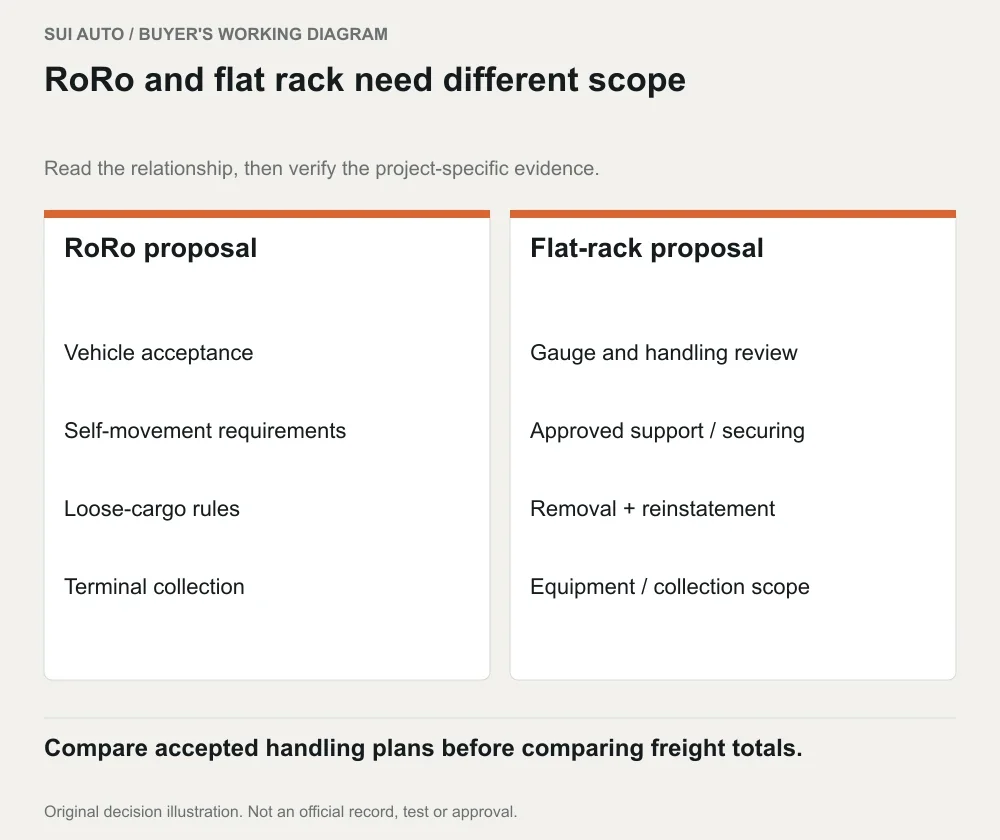
Buyer illustration: transport-method comparison prompts for carrier review, not cargo acceptance or a securing plan.
An illustrative tall-equipment shipment
Consider a truck with mounted lifting equipment whose transport height is not yet confirmed. The buyer obtains the supplier's approved stowed arrangement and measured dimensions. The forwarder evaluates available RoRo and special-cargo routes and requests carrier acceptance for both. If one proposal involves approved removal of a component, the buyer asks for the reinstallation procedure, responsibility and revised inspection evidence. This is a hypothetical decision sequence, not a claim that a particular crane truck fits a container or a ship deck. The key is reviewing the complete transport configuration before comparing an accepted freight scope.
Prepare the receiving side at the same time
Ask the destination agent how the truck will leave the terminal, what equipment or permits may be needed and whether it can legally travel on public roads at that stage. If a transporter is required, arrange it before arrival. Give the receiver the packing inventory, condition record and instructions for any transport-preparation work. Ask who will inspect the vehicle before it moves beyond the terminal. A transport method is only practical when both departure and arrival arrangements are understood. Keep the accepted dimensions and handling scope with the booking so changes do not silently invalidate the plan.
Can a special-purpose truck fit inside a standard container?
Only a measured, carrier-approved arrangement can answer that question. Door clearance, internal dimensions, loading access, weight and securing all matter. Do not infer fit from the chassis category. If removal or partial disassembly is proposed, obtain manufacturer approval and an agreed reinstatement plan.
Is RoRo always safer for a complete truck?
There is no universal conclusion. Review the route, handling, condition surveys, exposure, cargo restrictions and insurance. Ask each carrier and forwarder for the requirements that apply to your vehicle, then compare the documented arrangements rather than relying on a general label.
References and related reading
Planning a purchase? Follow the overseas buyer guide for specification, payment, shipping and import preparation.