Check every important loading state, not only total weight
Review axle loads and centre of gravity for the completed truck in its actual working states. A vehicle can remain below its gross mass limit while overloading one axle or carrying too little weight on a steering axle. The position of tanks, tools, lifting equipment and collected material matters as much as their combined mass.
Ask the body builder for a dimensioned layout and a calculation based on the exact chassis. The calculation should identify the empty vehicle, fixed equipment, occupants, consumables and working load. A final weighbridge record then checks the built vehicle against that design basis. A generic diagram from another wheelbase is not sufficient.
Understand the lever effect with a simple example
On an idealised two-axle vehicle, an added load is shared according to its position relative to the axles. Assume a hypothetical 4 m wheelbase and a 1000 kg item located 3 m behind the front axle. In a simple static calculation, it adds 750 kg to the rear axle and 250 kg to the front.
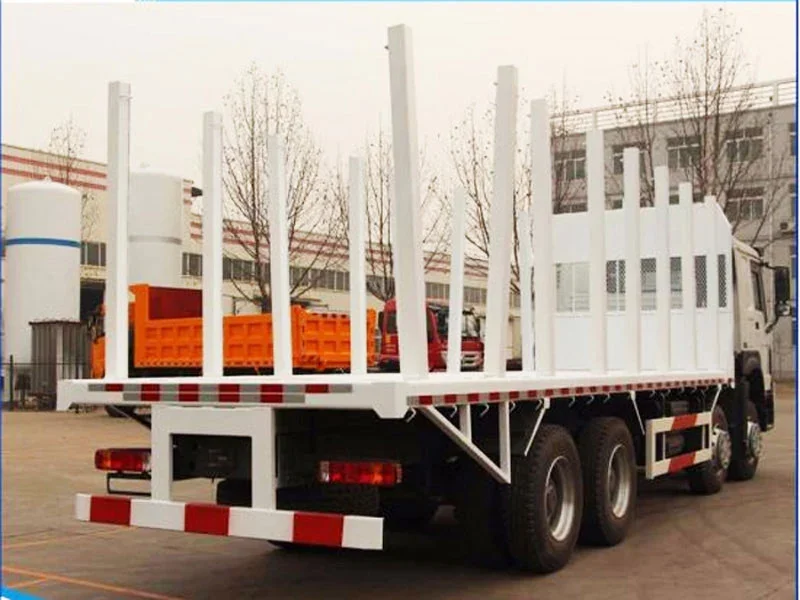
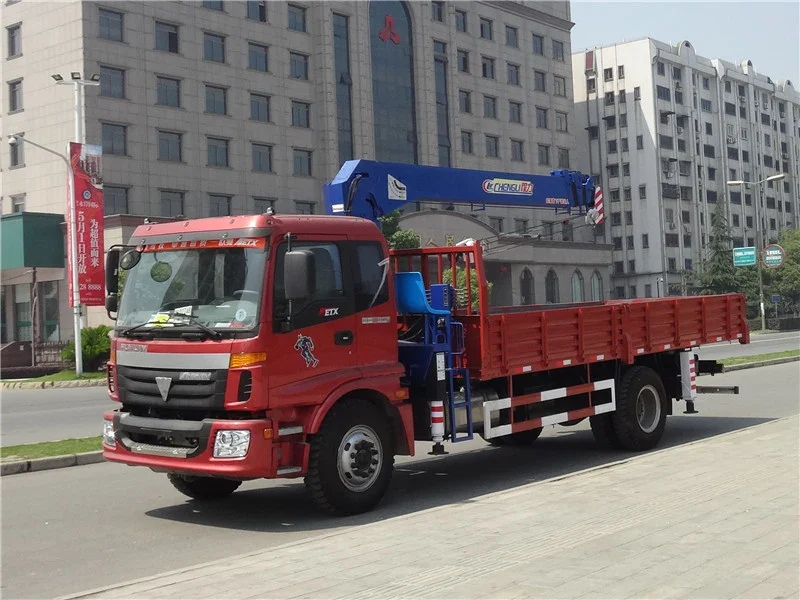
Manufacturer reference photograph. The long logging tray and rear overhang make load position relative to the axle group visible.
Move that same item to 5 m behind the front axle, beyond the rear axle. The calculated rear addition becomes 1250 kg, while the front axle unloads by 250 kg. These values demonstrate the lever effect only. Multi-axle suspensions and a real installation require the manufacturer's appropriate method and an engineer's review. The example is not permission to place equipment at either position.
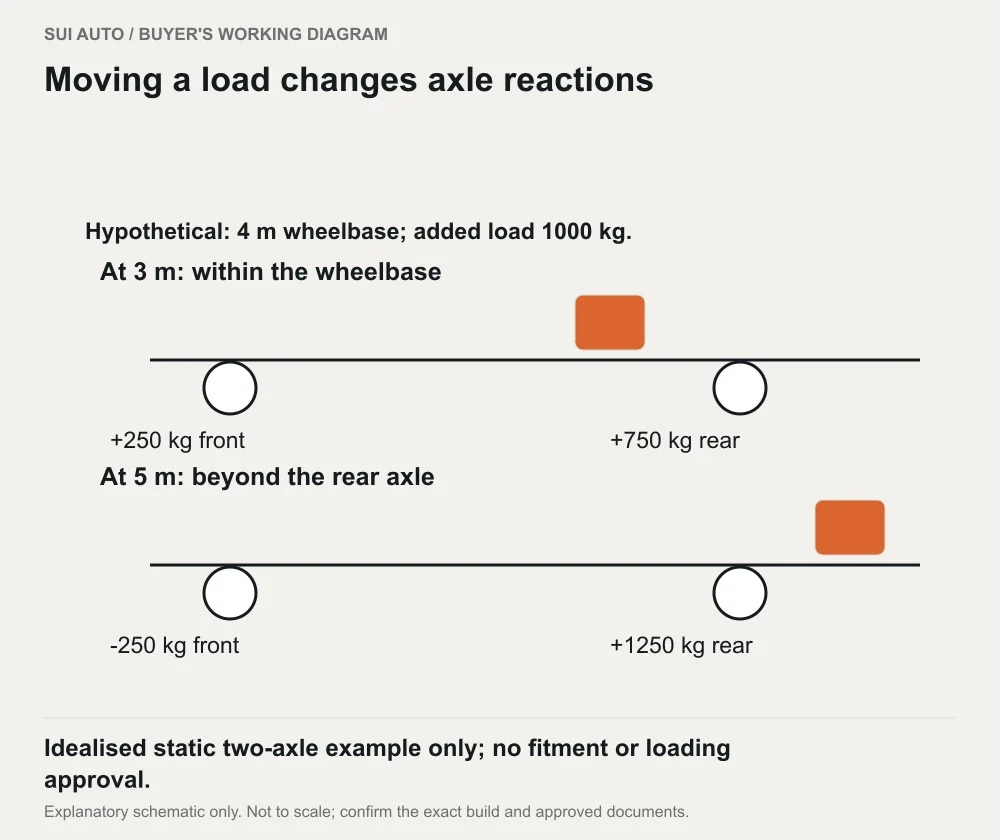
Idealised static two-axle example only; no fitment or loading approval. Explanatory schematic.
Compare road states and working states separately
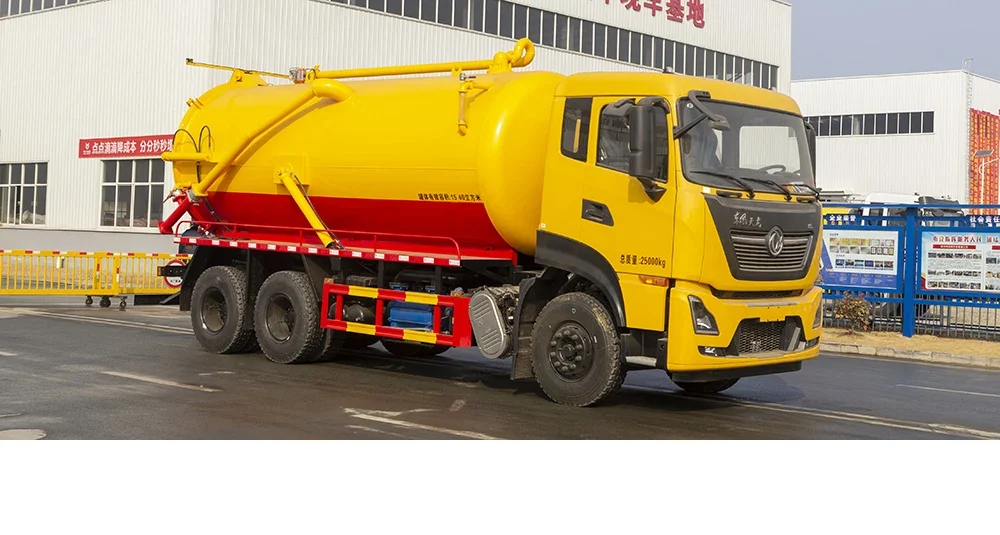
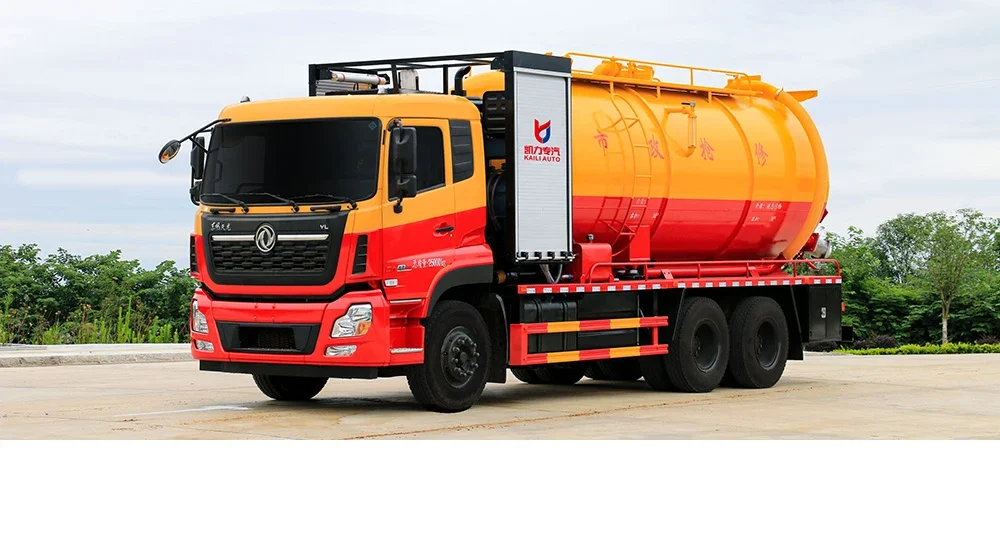
A water or combination sewer truck changes load as clean water is used and waste is collected. A refuse truck shifts material through the hopper and body. A recovery truck can transfer forces through its lifting equipment. The worst case is not necessarily the first fully loaded road condition.
Use a state list:
• Empty but ready for work, with normal fixed equipment. • Departure condition with crew, fuel and relevant consumables. • Representative intermediate states during the operating sequence. • Maximum intended road load with the actual material assumptions. • Discharge or stationary equipment operation where a separate assessment applies.
The body builder should explain which states govern axle loads, stability and operating restrictions. Do not combine unrelated maximum equipment ratings into one invented working condition.
Centre-of-gravity height deserves its own drawing
A load's height influences how the completed vehicle behaves, but a buyer cannot determine acceptable stability from an axle-weight total alone. Ask where major masses sit vertically and how they move. Roof storage, high-mounted tanks and raised equipment may need a different review from low, fixed cargo.
For a liquid tank, the internal arrangement and partially filled conditions deserve attention. For lifting or tipping equipment, ask for the relevant working configuration and support conditions. A road-travel drawing cannot replace a working-envelope or stability assessment.
Published catalogue dimensions help you identify questions. They do not provide enough information to certify a centre-of-gravity limit for a particular destination or body installation. The applicable chassis instructions and completed-vehicle engineering file should govern the assessment.
A hypothetical change request shows why revisions matter
Assume a buyer adds a heavy hose reel near the rear of a sewer truck after approving the original layout. Even if the reel's mass appears small relative to gross vehicle mass, its position can change rear axle loading and unload the front. The correct response is a revised layout and calculation.
The same discipline applies to spare wheels, extra fuel, tool lockers and auxiliary engines. Keep a mass-and-position register for additions. Require the supplier to update the empty-weight expectation and relevant loading states before manufacture. At acceptance, compare actual installed equipment with that register.
If the vehicle is already built, ask for a weighed baseline before adding equipment. A calculation that begins with an assumed empty axle distribution can conceal an existing discrepancy.
Procurement and acceptance checklist
Request the exact chassis wheelbase, axle ratings, suspension configuration and body-builder instructions. Ask for fixed-equipment masses, positions, loading-state calculations and the intended centre-of-gravity review. State how occupants and consumables are included.
At acceptance, weigh by axle or axle group using a suitable method and record the vehicle's condition. Reconcile any difference with the design calculation before agreeing usable load. Preserve the result with the final drawing revision. Train operations staff on the approved loading pattern and keep later modifications traceable to the same file.
Preserve the units and measurement basis
Label every mass and distance in the calculation, and use one defined reference point for component positions. Keep measured values separate from design estimates. Ask the builder to identify the drawing revision used in the calculation so a moved tank or locker can be detected. If the final vehicle differs from the expected empty axle loads, reconcile the difference before adding the working load. A tidy calculation is useful only when it represents the actual equipment and geometry that will enter service.
Can gross weight compliance prove the axle loads are acceptable?
No. Each applicable axle or group limit and the steering-load requirements must also be checked for the actual configuration.
Can I calculate a four-axle truck using a simple two-axle formula?
That simplified example does not describe every multi-axle suspension. Obtain the chassis-specific method and engineering review.
Does a lighter body always improve stability?
Lower mass can improve some margins, but position, height, movement and working configuration still matter. Review the complete layout rather than one mass figure.
References and further reading
- Isuzu official body builder guide access
- Daimler Truck official commercial-vehicle body builder information
- Kaili Dongfeng Tianlong Combination Sewer Truck manufacturer reference
- CLW HOWO Heavy Tow Truck manufacturer reference
- Hongyu JAC Gallop Road Cleaning Truck manufacturer reference
- Kaili Dongfeng Tianlong Combination Sewer Truck
- CLW HOWO Heavy Tow Truck
- Hongyu JAC Gallop Road Cleaning Truck
- Overseas buyer guide
Planning a purchase? Follow the overseas buyer guide for specification, payment, shipping and import preparation.