Inspect the agreed coating system at accessible stages
Agree the substrate preparation, coating products, application records and final checks before the body is painted. A glossy finish can show appearance while concealing information about the preparation underneath. Start with the operating environment and the surfaces that need protection. Separate external body paint from tank lining, chassis coating and specialist wear surfaces. Ask the manufacturer for the proposed system and the checks appropriate to each area. The buyer should approve a defined coating package rather than relying on a colour description alone.
Specify the environment before the paint brand
Describe exposure to water, cleaning chemicals, road contamination, sunlight and any stored fluid. For a tank interior, the contents and cleaning regime are especially important. The responsible coating supplier or technical authority should confirm product suitability and application requirements. A familiar paint brand does not establish that the complete system fits the service. Ask which primer, intermediate coat and finish are proposed, including areas intentionally left uncoated. Record colour and appearance requirements separately from corrosion protection and fluid-contact suitability so the acceptance discussion stays clear.
Capture preparation before it disappears
Ask for records of the specified surface preparation before the first coat covers it. Identify the body or assembly, area checked, method and result. Photographs can show access and general condition, while the agreed procedure determines the measurements or tests required. Include edges, weld areas, drainage details and difficult recesses in the review plan where relevant. The manufacturer should explain how contamination or preparation defects are corrected before coating. Once the body is finished, reconstructing those conditions may be difficult. Early evidence is therefore more useful than a larger final photo gallery.

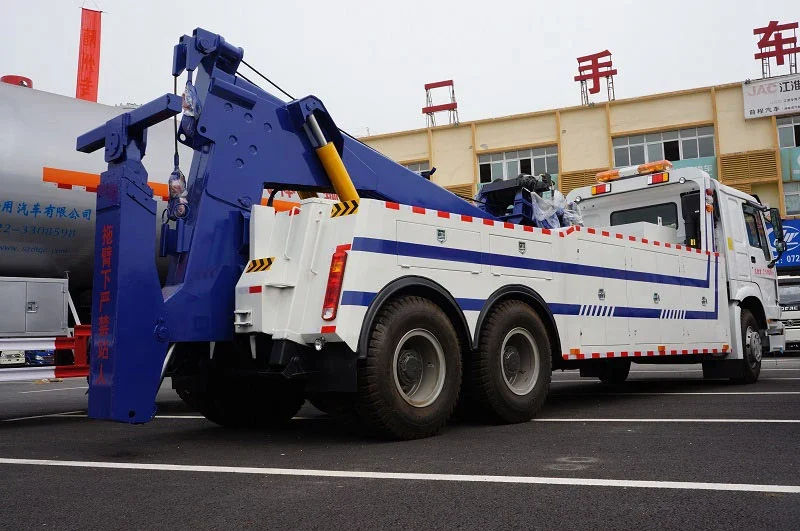
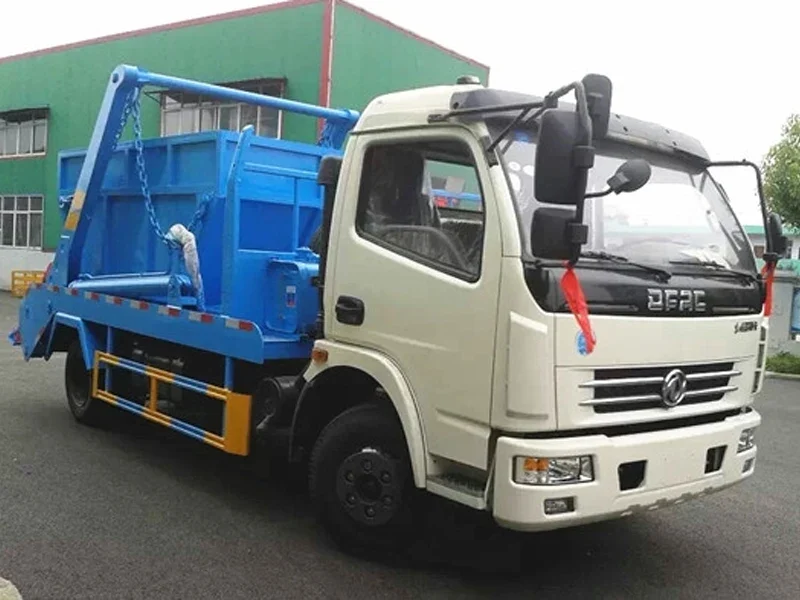
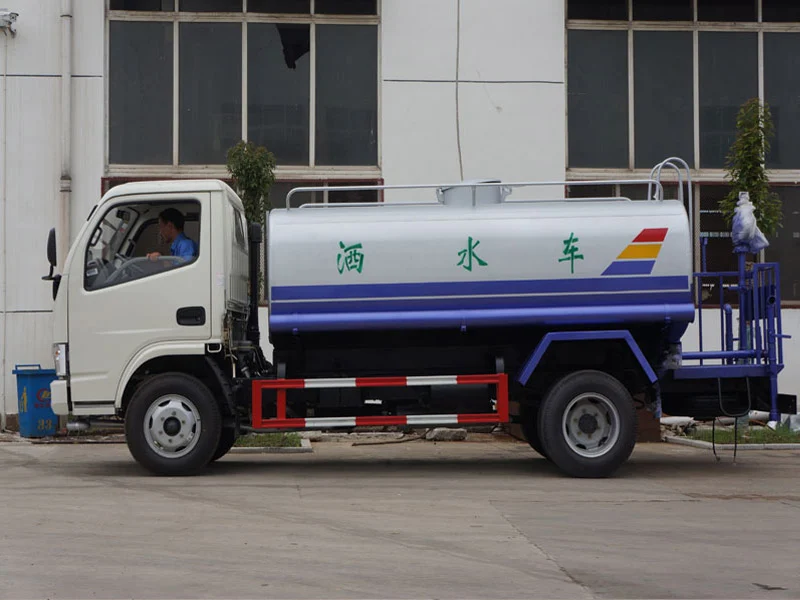
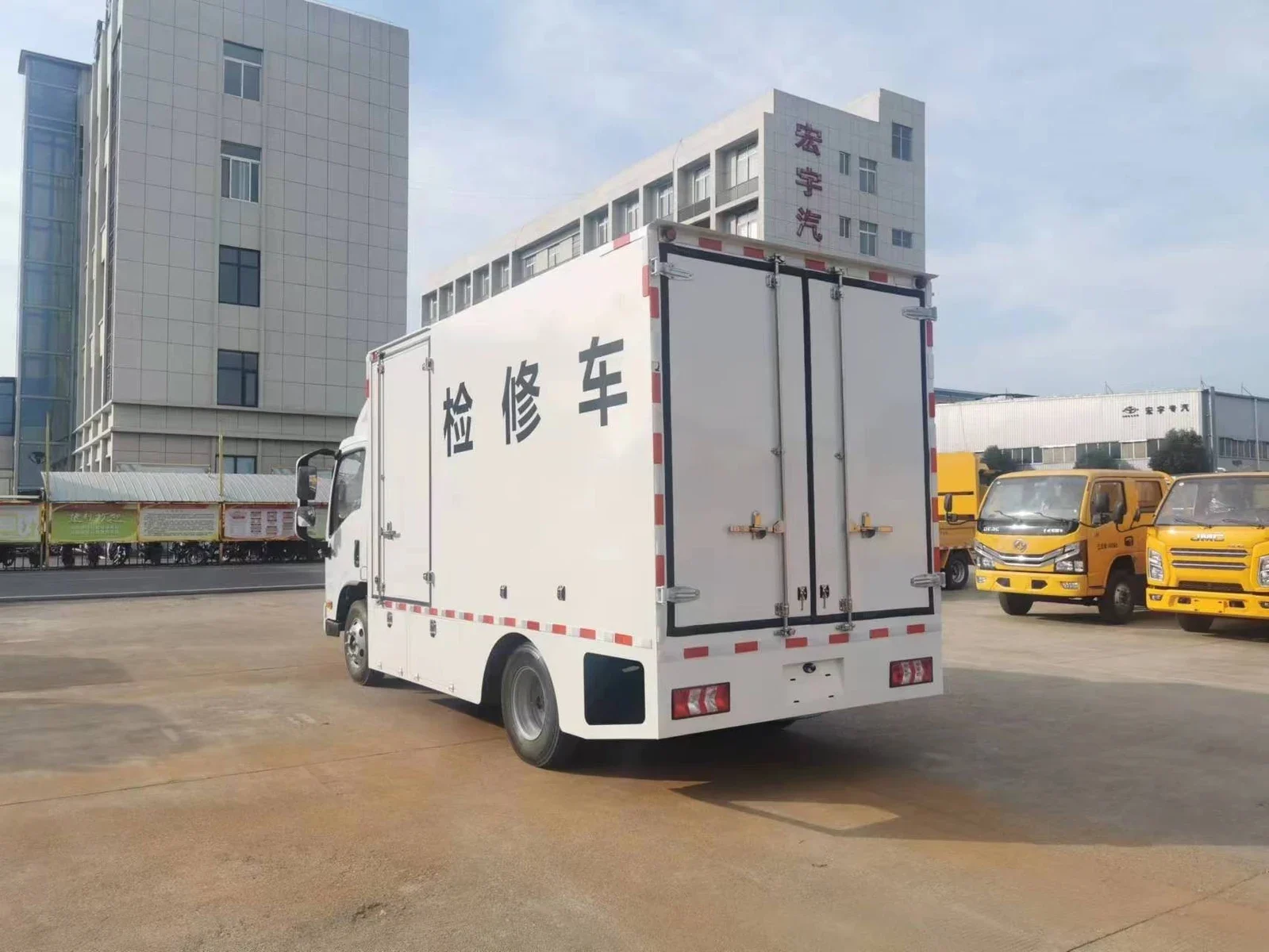
The middle-left image in Kaili's montage shows its coating-line equipment. Surface preparation and application-stage records address work that a finished exterior photograph cannot reveal.
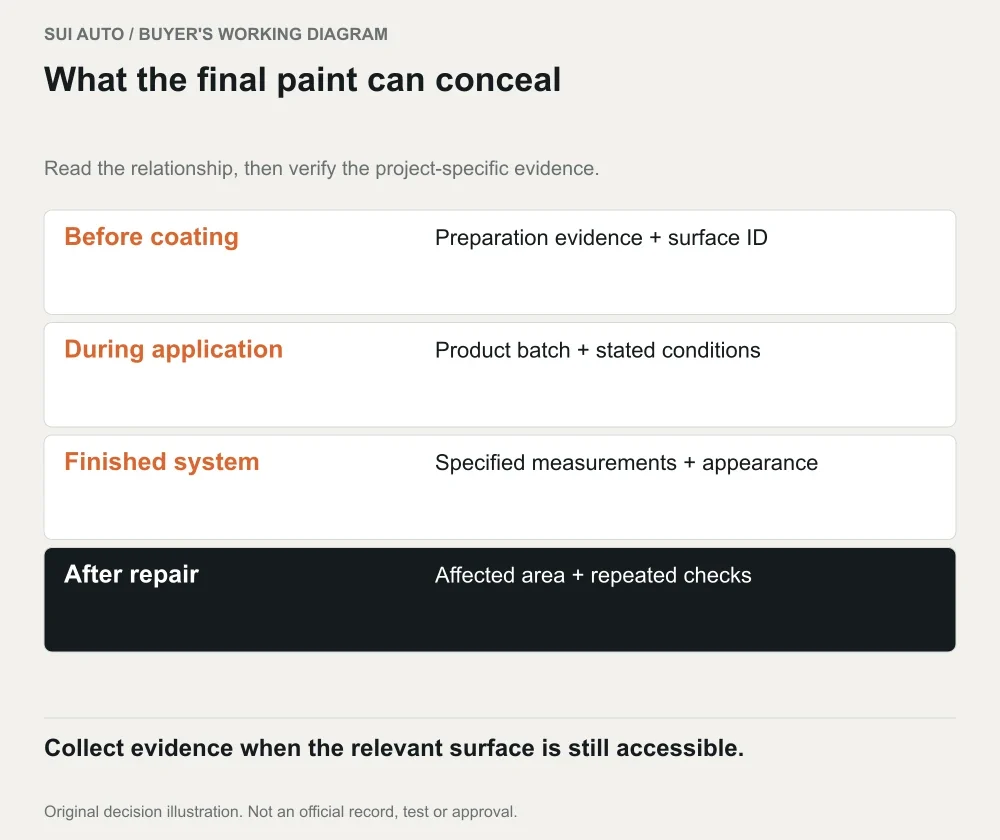
Buyer illustration: evidence stages for the selected coating system; no universal coating thickness is implied.
Read application records alongside measurements
Request the coating product identity and batch, application stage, relevant environmental conditions and required intervals between coats. The level of detail should match the selected system and order. For dry-film checks, agree the instrument, verification method, measurement locations and acceptance criteria. Elcometer describes dry-film thickness as a key coating measurement, but thickness alone does not establish every property of the finish. The buyer should ask the technical parties how the measurement will be interpreted on the particular substrate and geometry, including edges or rough surfaces.
A hypothetical coating discrepancy
Suppose illustrative body B-21 has acceptable colour but a required area lacks a recorded primer-stage check. The buyer records the evidence gap and asks the coating authority what can still be verified. It may require additional examination or a documented technical disposition. This is an invented example, not a SUI AUTO inspection result. The buyer should avoid ordering a random extra coat as an automatic cure. Adding material without checking the system can create another problem and still leave the original preparation question unanswered.
Distinguish cosmetic defects from system defects
Agree categories before the final review. A small finish blemish, damage exposing the substrate and an unsuitable internal lining can require very different actions. Mark the exact location, photograph it and reference the relevant acceptance requirement. The manufacturer should propose the correction and any checks needed afterward. If components are removed to repair coating, ask whether installation and function need rechecking. Keep the repair boundary and final result in the record. This approach allows minor appearance issues to be handled efficiently while protecting the questions that affect service suitability.
Use a coating release checklist
Check the approved coating schedule, product and batch records, preparation evidence, specified application conditions, thickness report where required, appearance findings and repair closures. Confirm that decals or equipment installation have not hidden unresolved areas. Ask how spare paint or touch-up instructions will be identified at handover. Retain the coating product references so future repairs can be discussed with the supplier. The final release should identify any accepted exception and the authorized decision, rather than leaving the buyer to infer acceptance from a delivery photograph.
Should I specify one minimum thickness for the whole truck?
Different surfaces and coating systems can have different requirements. Ask the responsible technical parties to provide the relevant values and measurement plan for each system. Too little coating can be a problem, and applying more than the system permits can also create defects. The buyer should avoid selecting a universal number from another vehicle's report. Define the acceptance requirement in the technical annex and ensure the manufacturer understands which surfaces it covers before application starts.
Can photographs prove the paint will resist corrosion?
Photographs support appearance review and can record some preparation stages. Long-term protection depends on the specified system, preparation, application and service conditions. Ask for the records and tests agreed for those factors. A factory photo should not become a promised service life unless a clear contractual commitment and technical basis exist. If a tender requires a specific test or standard, obtain the manufacturer's response and the responsible technical review before treating the proposal as compliant.
What if the finish looks good but the preparation records are missing?
List the missing preparation evidence and the surfaces it covers. Ask the coating authority which aspects can still be assessed on the finished system and which remain uncertain. Agree any additional examination, correction or documented exception through the project’s approval process. A satisfactory colour or gloss does not recreate the earlier surface condition. Keep the final decision tied to the specified system and service environment. The acceptance record should explain the remaining limitation so a later maintenance team does not mistake appearance approval for verification of every coating stage.
References and further reading
Planning a purchase? Follow the overseas buyer guide for specification, payment, shipping and import preparation.