Use power and torque together with engine speed and gearing
Compare engine power, torque and the speeds at which they are available. Power describes the rate of doing work, while torque describes twisting effort. Neither peak number alone tells a buyer whether a completed truck will start on a slope, cruise efficiently or support auxiliary equipment throughout a shift.
For procurement, request the actual engine model and its performance curves for the proposed configuration. Add gearbox ratios, final-drive ratio, tyre size, gross operating mass and the body-work duty. This turns a headline horsepower comparison into a review of the speeds and loads the engine will encounter.
Understand the relationship without overcomplicating it
For consistent units, power in kW is torque in N·m multiplied by rpm and divided by approximately 9550. This relationship explains why a torque value needs an engine speed, and why two engines with similar peak torque can have different power ratings. Peak torque and peak power often occur at different speeds.
A hypothetical engine producing 1000 N·m at 1500 rpm is producing about 157 kW at that operating point. That is an arithmetic example, not a specification for a listed truck. It does not establish continuous auxiliary capacity, cooling adequacy or wheel traction. Those require additional information about the engine rating and installation.
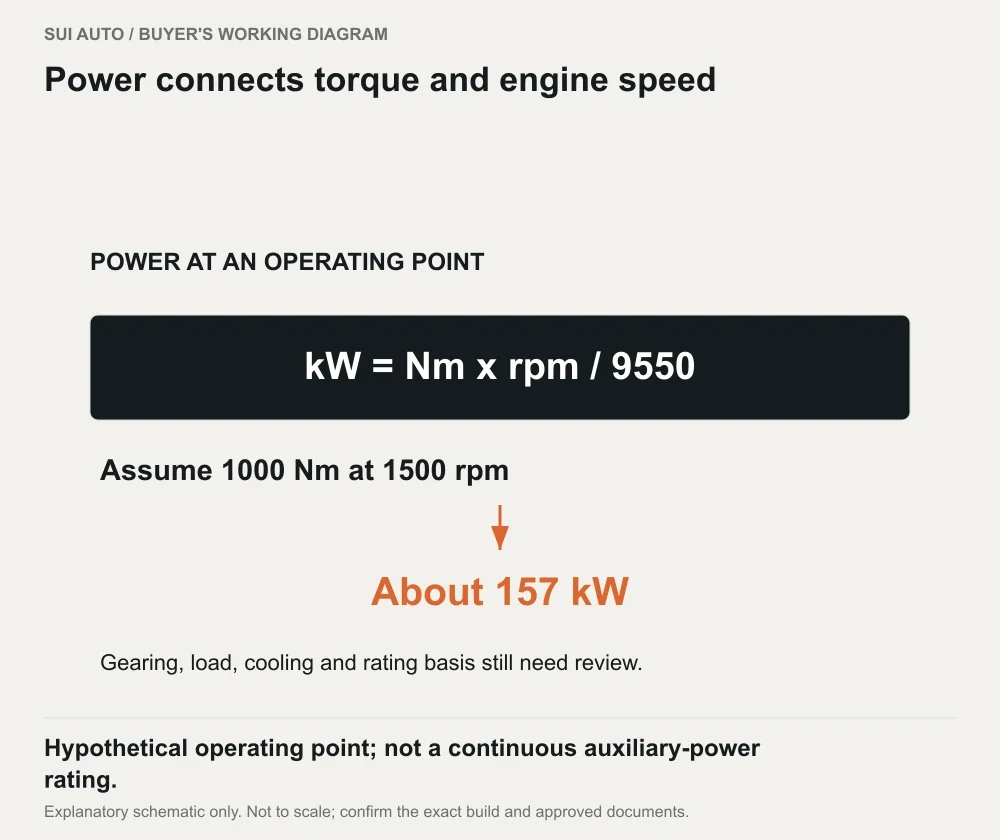
Hypothetical operating point; not a continuous auxiliary-power rating. Explanatory schematic.
Match the curve to three different duties
Loaded road travel: compare available power through the normal speed range, with the actual gearing and gross mass. Request the supplier's route assessment for gradients and sustained travel.
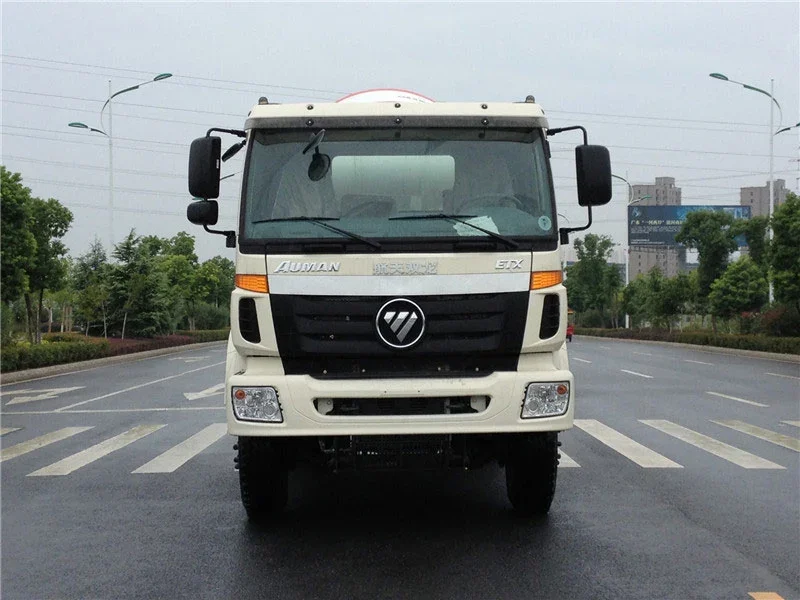
Manufacturer reference photograph. The mixer's cab and completed body identify the vehicle package whose road and auxiliary engine duties must be reviewed together.
Repeated starts: compare low-speed torque availability, first-gear and final-drive ratios, clutch or torque-converter behaviour, tyres and driven-axle load. An engine's peak torque cannot be transferred to the road without the rest of the driveline.
Body work: identify engine speed and power required by pumps, fans or hydraulics. Stationary operation can have different cooling demands from highway travel. Confirm whether the body uses the chassis engine, a separate engine or an electric drive before comparing chassis horsepower.
A useful specification states the operating condition for each duty rather than declaring that more horsepower is always preferable.
A hypothetical municipal route illustrates the trade-off
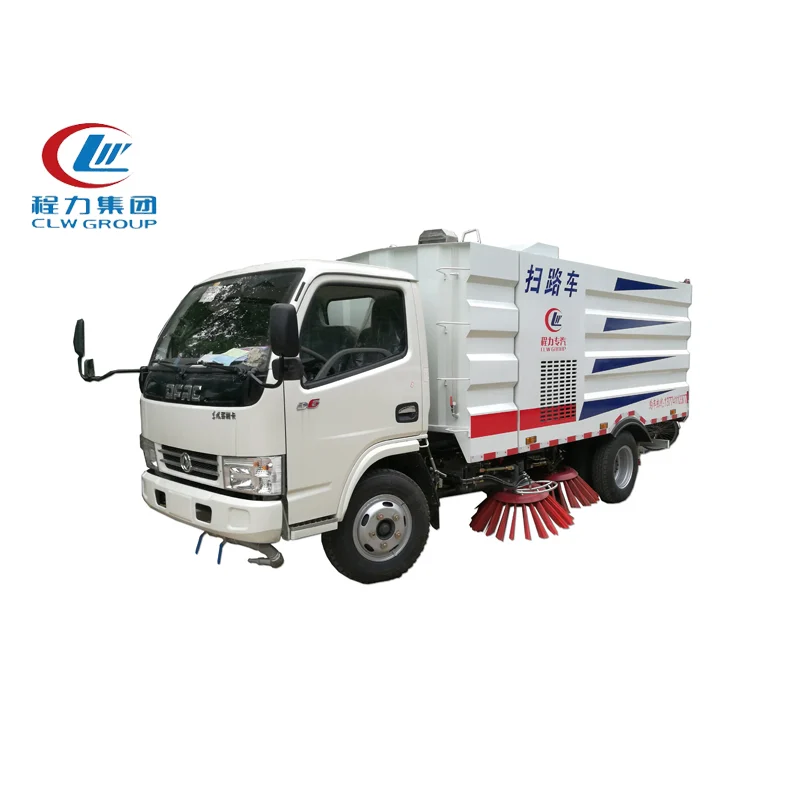
Assume a cleaning truck spends part of its shift in slow traffic and part working with auxiliary equipment. Proposal A advertises higher peak horsepower; proposal B has a different torque curve and lower gearing. These are hypothetical alternatives without a claimed winner.
Ask both suppliers to identify the expected engine-speed range during loaded travel and body operation. Review starting performance on the steepest intended site with the actual mass and tyre assumptions. Then ask what cooling evidence covers stationary or low-speed work. Proposal A's peak rating is useful only if the driveline and operating pattern allow the truck to use it.
For acceptance, agree a representative demonstration and the data to record. Engine speed, coolant temperature, load condition, ambient conditions and operating duration help explain a result. A short unloaded acceleration video cannot answer a sustained-duty question.
Avoid mixing incompatible rating bases
Ask whether power is stated in kW, mechanical horsepower or metric horsepower. Keep the original unit and the supplier's declared rating basis in the comparison. Conversions should be labelled and should not add false precision. Also distinguish a chassis-engine rating from an auxiliary-engine rating.
The SUI AUTO flatbed reference lists a Cummins B140-33 engine, while the concrete-mixer reference lists ISLe375 40. They are different engines serving different completed vehicles. Their published figures help identify configurations, but they do not establish fuel consumption or suitability for another body.
If a supplier offers an engine substitution, request the revised torque curve, installation details, diagnostics and parts information. A nominally similar power rating does not make two engines interchangeable within a chassis-body package.
Enquiry and acceptance checklist
Send loaded mass, route gradients, travel speeds, start frequency, ambient conditions and auxiliary working hours. Ask for engine model, rated power and speed, torque curve, gearbox and final-drive details, tyre size and proposed working-speed settings.
At handover, identify the installed engine and control configuration. Witness the agreed loaded and auxiliary demonstration with competent personnel. Record test conditions and compare them with the written requirement. Keep manuals and maintenance information for the actual installed engine, including any separate body engine.
Ask what changes at altitude or with auxiliary demand
If the operating area includes altitude or unusual ambient conditions, include them in the engine enquiry. Ask the manufacturer or supplier to provide the applicable performance and cooling basis for that installation. Do not apply a universal percentage reduction from a general article. Likewise, identify when the body equipment operates while driving and when it works separately. The engine requirement can differ between those states. A clear duty schedule allows the supplier to explain the proposed operating range rather than relying on a peak rating taken out of context.
Is torque more important than horsepower for a heavy truck?
Both matter, together with gearing, mass and operating speed range. The duty determines which limitation needs closer review.
Does more power guarantee lower fuel consumption?
No general conclusion follows from peak power. Compare a defined duty cycle and credible measurements for the actual build.
Can I use peak engine power as available pump power?
The installed auxiliary system has its own transmission, continuous-duty, control and cooling limits. Obtain a specific engineered allowance rather than subtracting assumed road loads.
References and further reading
- ZF engine-dependent auxiliary drive product information
- Isuzu official body builder guide access
- Daimler Truck official commercial-vehicle body builder information
- CLW Dongfeng Equipment Transporter manufacturer reference
- CLW Dongfeng 6×4 Concrete Mixer manufacturer reference
- Kaili Dongfeng Tianlong Combination Sewer Truck manufacturer reference
- CLW Dongfeng Equipment Transporter
- CLW Dongfeng 6×4 Concrete Mixer
- Kaili Dongfeng Tianlong Combination Sewer Truck
- Overseas buyer guide
Planning a purchase? Follow the overseas buyer guide for specification, payment, shipping and import preparation.