Choose a vehicle that can reach the work
A compact vacuum truck deserves priority where access limits prevent a larger truck from reaching an approved operating position. A larger vehicle deserves review where sites are accessible and disposal travel takes a substantial share of the shift. Tank volume affects the possible collection plan, but it does not compensate for a gate, turning space or route restriction that the vehicle cannot negotiate. Begin with the most restrictive regular site and the disposal journey. Use actual dimensions, allowable load and the manufacturer's approved suction arrangement to compare configurations. A choice made from the largest advertised tank can leave the fleet unable to serve its intended customers.
Survey access before comparing volume
Record gate width and height, road width, bends, surface conditions, overhead obstructions and the room needed for the proposed working arrangement. Wheelbase is useful reference data, but it does not alone establish turning ability. The reviewed Kaili Tuyi listing shows a 2,800 mm wheelbase and a 2 m³ tank; the Tianlong reference lists an 18 m³ tank and a 4,350 + 1,350 mm wheelbase. These describe substantially different vehicles. Obtain overall dimensions, turning information and the exact loaded mass for each quotation. Confirm whether local route restrictions or structures impose additional limits. Do not infer that a compact body can safely reach any property simply because its published wheelbase is shorter.
A hypothetical dispersed service area
Assume a contractor serves small properties through constrained lanes and also visits accessible commercial sites outside town. The receiving facility is distant, but no actual trip time is assumed. One large truck could reduce the frequency of disposal journeys on the accessible route while missing restricted properties. One compact truck could reach more sites but require more unloading travel for the same verified volume. The contractor should divide demand by access class and estimate the collected quantity from service records. A mixed fleet or a staged subcontracting plan may fit better than one compromise vehicle. The procurement decision should expose these assumptions so they can be revised as the route develops.
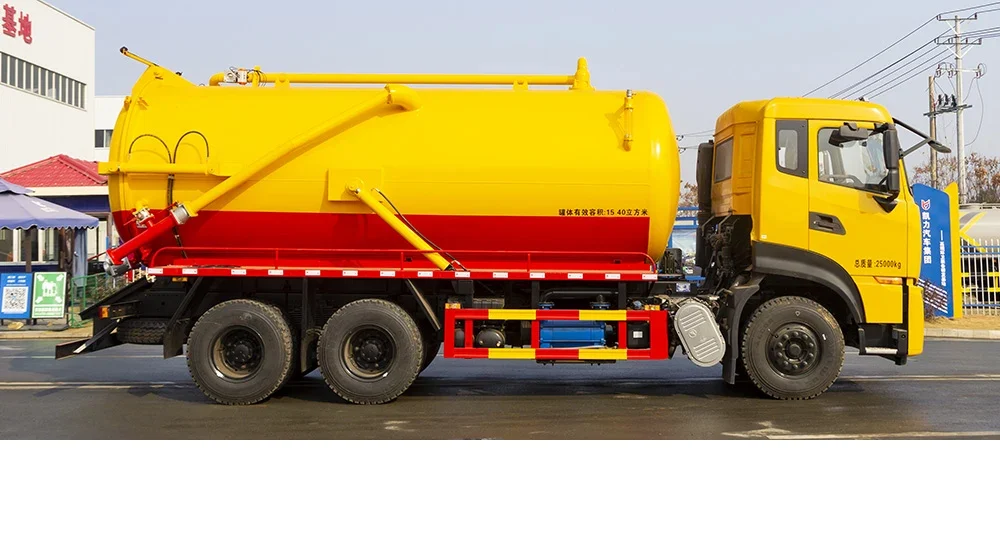
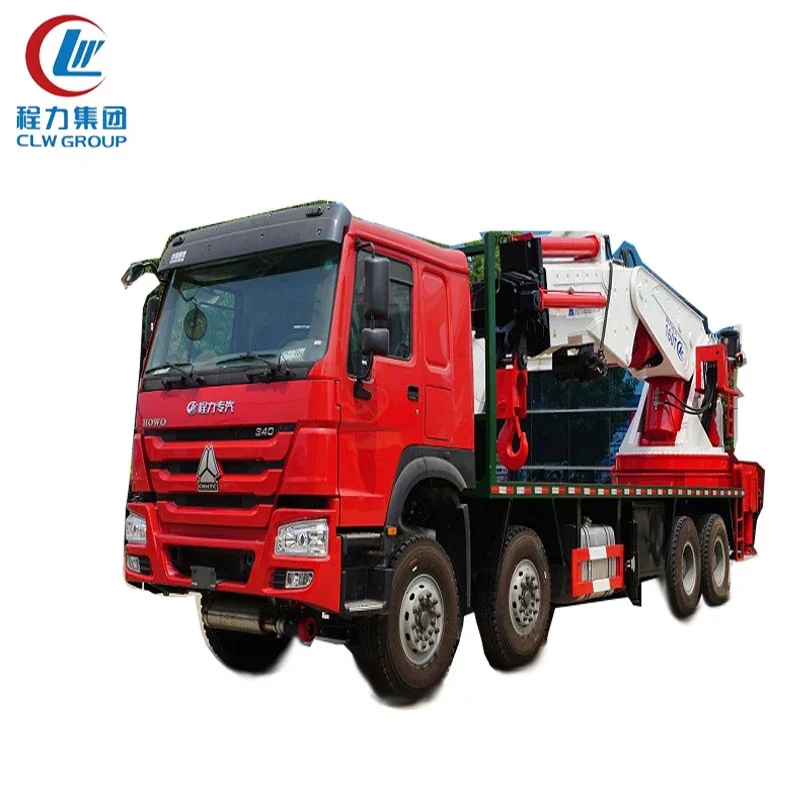
Manufacturer reference photograph. This larger three-axle vacuum truck occupies a much longer footprint.
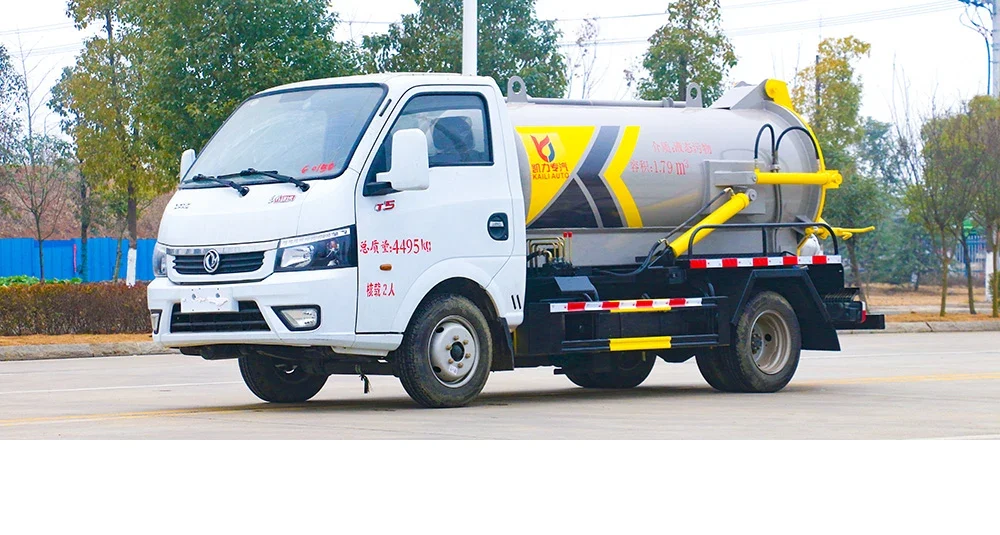
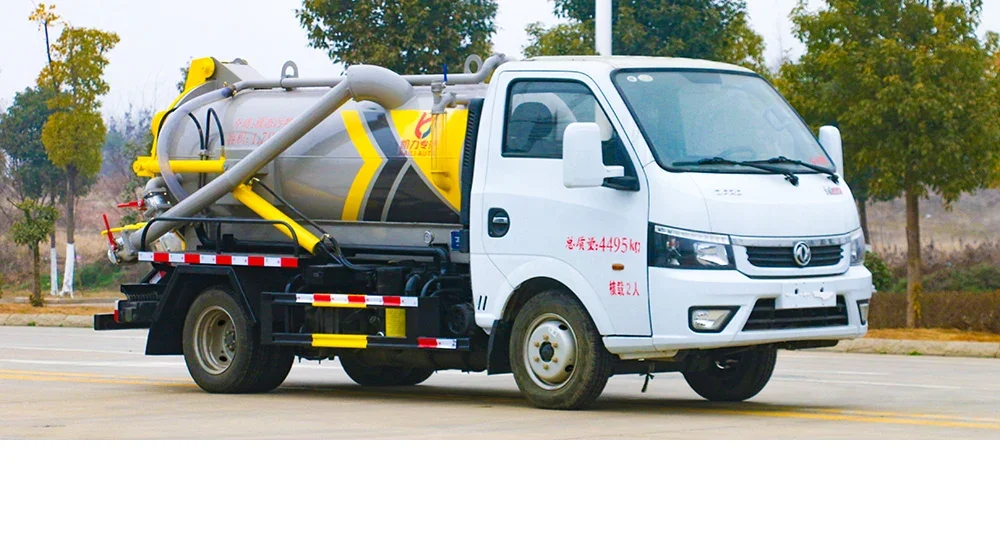
Manufacturer reference photograph. This compact vacuum truck shows a shorter access package; actual access needs surveyed dimensions.
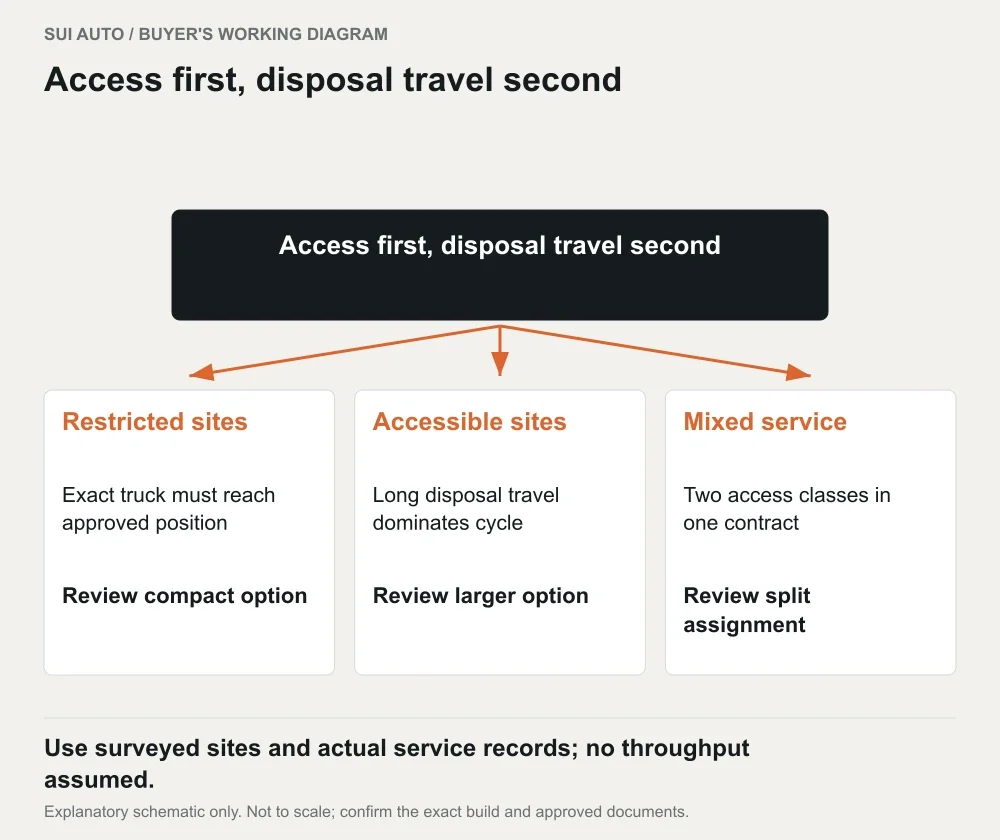
Use surveyed sites and actual service records; no throughput assumed. Explanatory schematic.
Check loading and collection assumptions
The volume of a tank is not a legal liquid payload. Tank contents, vehicle equipment and axle distribution all affect the allowable loading condition. Obtain the exact empty mass and manufacturer loading guidance rather than multiplying tank capacity into an assumed road load. Also confirm whether the material is suitable for the suction and discharge systems. A long hose needed to keep a larger truck outside a constrained property can change the collection conditions; the supplier must assess the proposed arrangement. Published suction figures should remain reference values until their conditions are known. This is why a detailed site description can be more useful than asking for the biggest available tank.
Compare ownership beyond purchase price
Ask for the scheduled service items, consumables, pump maintenance requirements and access to spares. A smaller truck may suit a local repair facility, while a more complex large build may need different support; neither conclusion should be assumed without confirming the chassis and equipment. Include downtime cover in the comparison. Request training that addresses site positioning, traffic, collected material and the manufacturer's limits. At acceptance, reconcile body and chassis identifiers, dimensions, equipment and weight documents. A representative authorised demonstration should prove the agreed task under defined conditions, without extending into unsafe entry, unknown materials or an improvised hose arrangement that the supplier has not approved.
Use a site register to support dispatch
Create a simple register linking each regular site to verified access dimensions and the approved vehicle arrangement. Include the date and person responsible for the survey because gates, roadworks and property layouts can change. This register is a buyer management tool, not a substitute for a driver's assessment or the manufacturer's instructions. It helps procurement distinguish recurring access problems from rare exceptions and gives dispatch a way to flag a changed site. A capacity decision supported by that information is more useful than selecting a compact or large truck for every job by default.
Answers for fleet planners
Does an 18 m³ tank mean eighteen cubic metres can always be collected? The allowed load depends on the exact vehicle, material and permitted loading case, which must be documented. Can a compact truck replace a large one by making extra trips? Possibly, if the disposal journey, shift hours and service demand support that plan; calculate from actual records rather than assumed throughput. Should difficult sites be handled using more hose? Only after the manufacturer reviews the arrangement and the buyer's safety assessment supports it. Share an access schedule with SUI AUTO when comparing trucks. It allows the enquiry to focus on reachable jobs and realistic logistics instead of a capacity figure detached from the route.
References and related reading
Planning a purchase? Follow the overseas buyer guide for specification, payment, shipping and import preparation.