The purchase boundary changes who integrates the vehicle
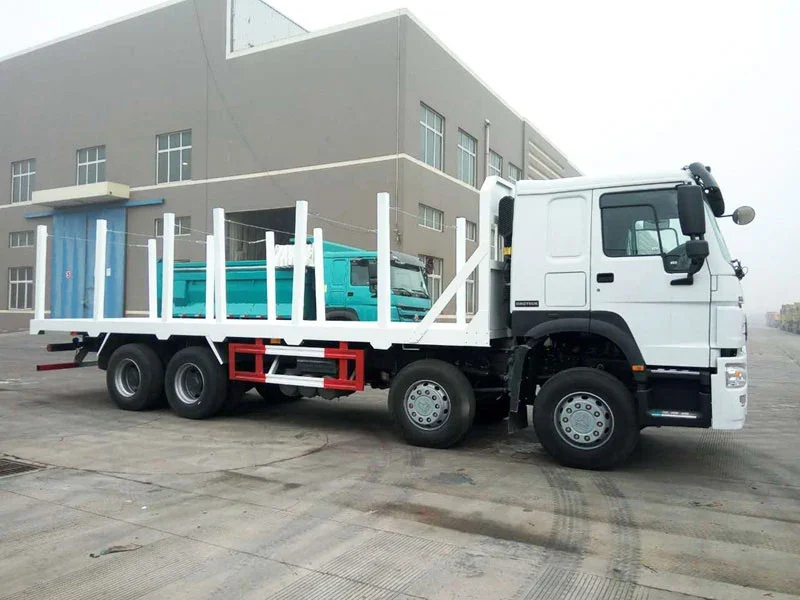
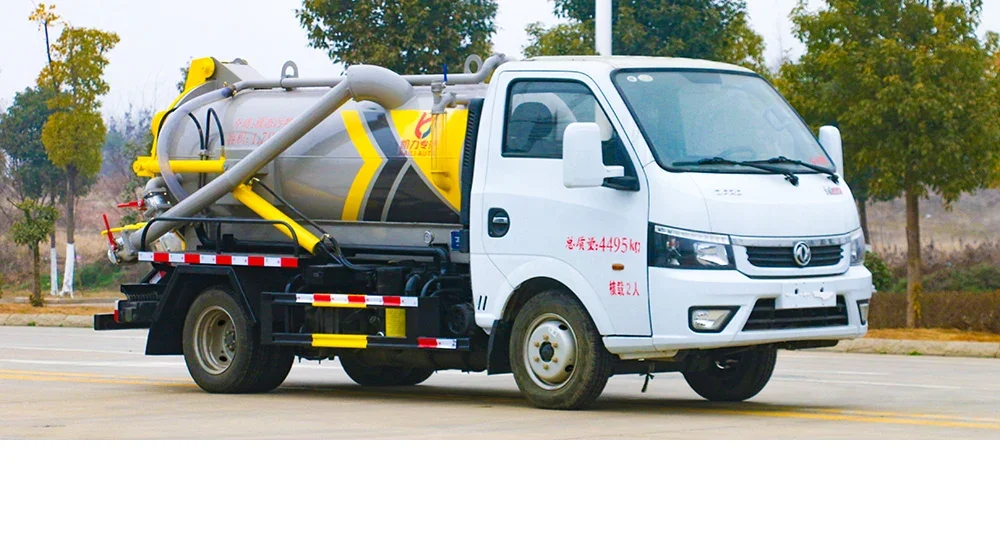
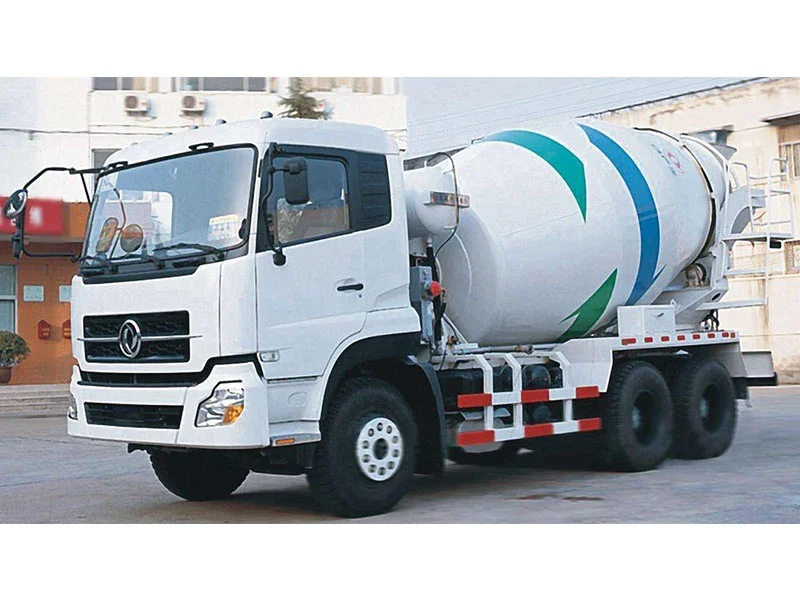
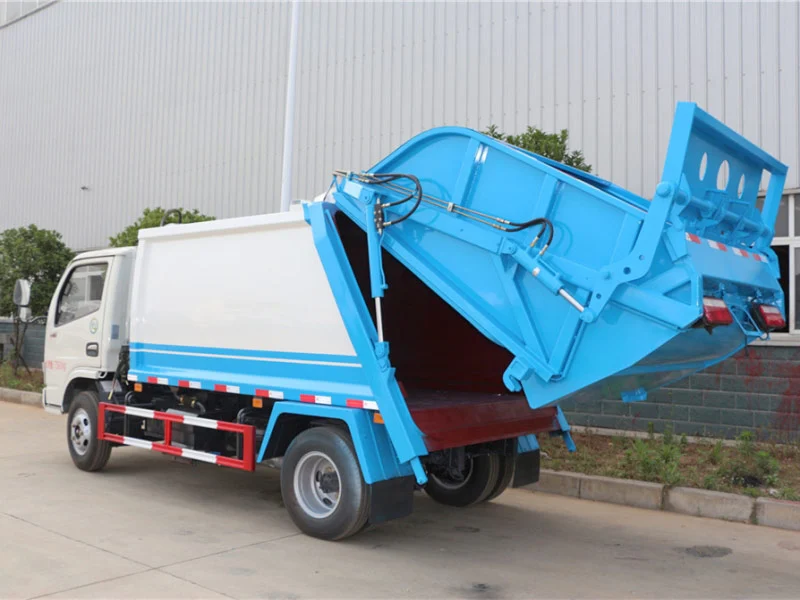
Buying a complete special-purpose truck and buying only its working body are different projects. A complete-vehicle proposal should define an integrated chassis, body and equipment scope. A body-only purchase leaves chassis selection, mounting, connections, approval and final acceptance to an agreed integration process. It can be appropriate when a buyer has a suitable local chassis and a qualified body-building partner. It is not automatically easier or cheaper. Compare the full work and responsibility for both routes before requesting a price. SUI AUTO catalogue images show vehicle references and do not themselves establish that a body is offered separately or fits your chassis.
Provide the exact local chassis information
For a body-only enquiry, supply the exact chassis model and the technical information the body supplier and integrator request. Relevant review topics may include frame and mounting interfaces, wheelbase, permissible masses, axle loading, power and PTO arrangements, electrical systems and service access. The appropriate parties must determine which checks apply. Do not assume that two chassis with the same badge or advertised tonnage accept the same body. Ask for written compatibility review and identify the approved installation instructions. A generated three-dimensional model or a visual fit in a configurator cannot prove engineering compatibility.
Name the integrator and acceptance owner
Identify who designs or approves the mounting arrangement, who installs the body, who makes power and control connections and who verifies the completed vehicle. Ask who provides the final operating information and handles an issue involving both chassis and body. Confirm the local approvals or inspections with qualified advisers before buying. A body supplier's warranty may depend on installation conditions, while a chassis warranty may have separate modification requirements. Obtain the actual terms rather than assuming integration by another workshop leaves all coverage unchanged. An unresolved responsibility boundary can be more important than a difference in purchase price.
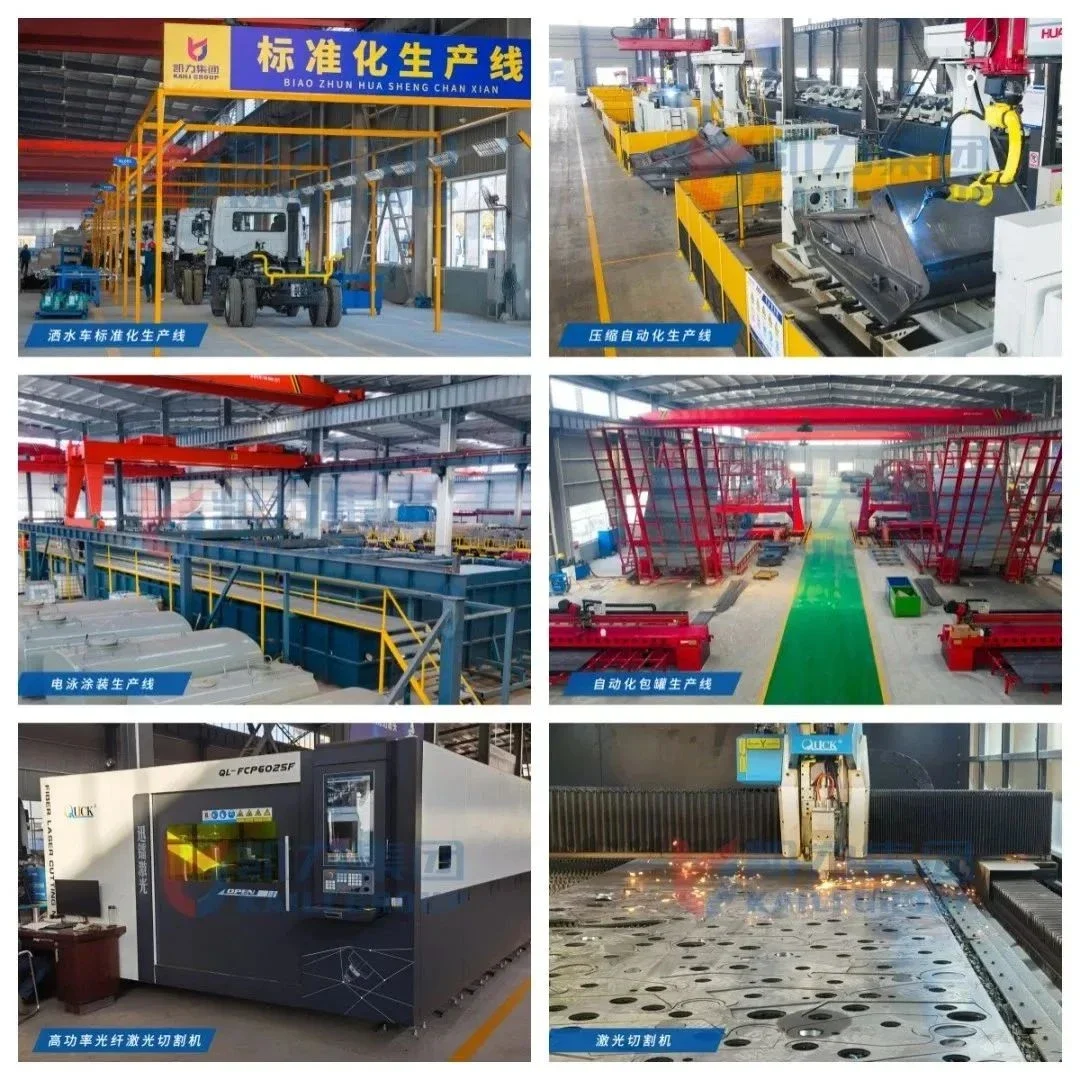
Kaili's montage shows chassis assembly and body manufacturing as separate operations. A body-only purchase must identify who will bring those interfaces together and accept the completed vehicle.
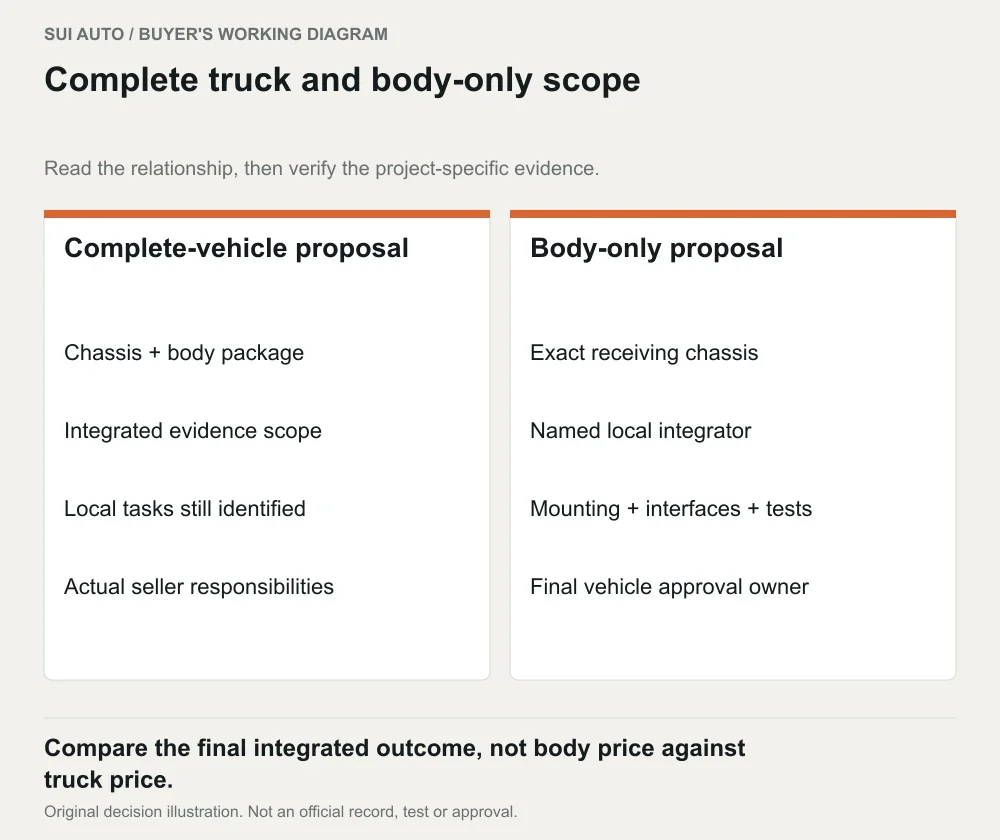
Buyer illustration: scope comparison prompts; body-only availability and chassis compatibility require confirmation.
Compare all the costs and preparation
For the body-only route, include local chassis acquisition, integration, approved equipment or adapters, transport handling, testing, approval, handover and support arrangements. For the complete route, include the agreed destination and shipment scope and any local tasks still required. Ask the broker to assess the actual goods and records under each option; body and equipment imports may differ from a complete-vehicle import. Do not assume the same classification or tax treatment. Keep estimates and confirmed prices separate so a lower body quotation does not conceal substantial unpriced integration work.
An illustrative compactor-body proposal
Suppose a buyer already owns a chassis and wants to import a compactor body. The body supplier asks for the chassis information, while a local integrator reviews mounting, load distribution, bin-interface needs and power connections. The buyer also asks its approval adviser and broker about the proposed project. Only after those questions are resolved does it compare the body route with a complete-truck proposal. This hypothetical process does not establish that the existing chassis is suitable. It shows the additional engineering and responsibility questions that appear when the buyer separates procurement of the chassis and working body.
Set acceptance evidence for the final integrated vehicle
Agree which checks apply to the body before shipment and which must happen after installation. Keep the body identity, approved instructions, installer record and final inspection evidence traceable. Request the completed vehicle's component list, manuals and support contacts. The body arriving in good condition is only one milestone; the project still needs a safely integrated and appropriately approved vehicle. If an installation change is proposed, review it with the relevant parties and revise the accepted documents. Keep the final build linked to the evidence so a future service provider can understand what was actually installed.
Can a body-only order avoid buying a new chassis?
Potentially, if the existing chassis is suitable and the required integration and approval path is practical. Have qualified parties assess its exact specification, condition and intended duty. Do not rely on a visual match or a general payload label to make the decision.
Which route is usually cheaper?
There is no universal answer. Compare the complete landed and integration scope, the local resources you already have and the unresolved technical risks. Ask for an itemized body-only proposal and a comparable complete-vehicle proposal rather than judging from the body price alone.
References and related reading
Planning a purchase? Follow the overseas buyer guide for specification, payment, shipping and import preparation.