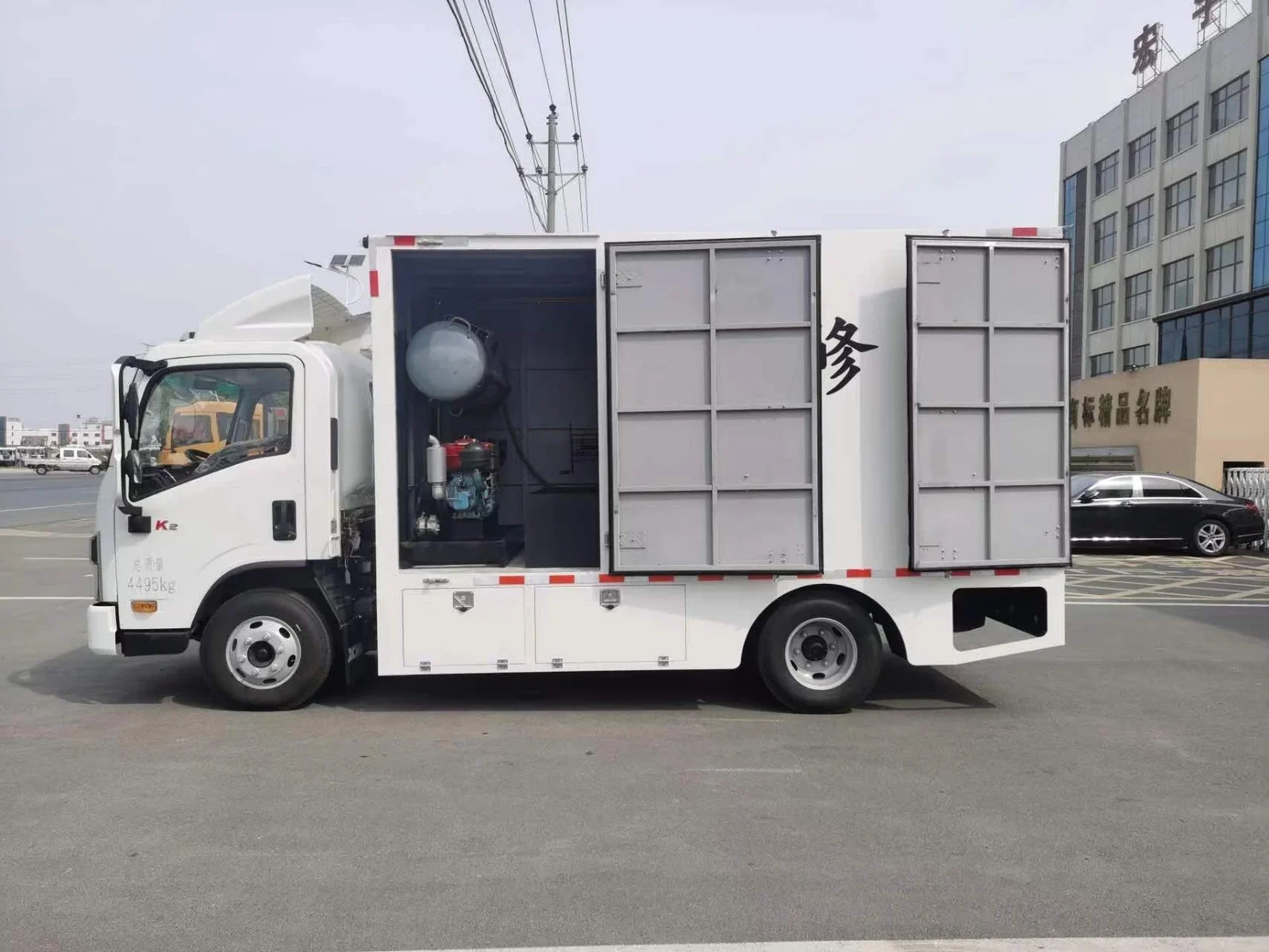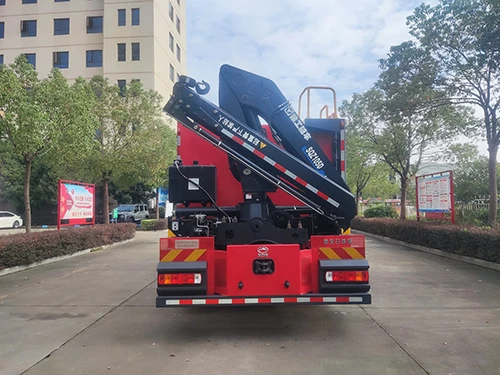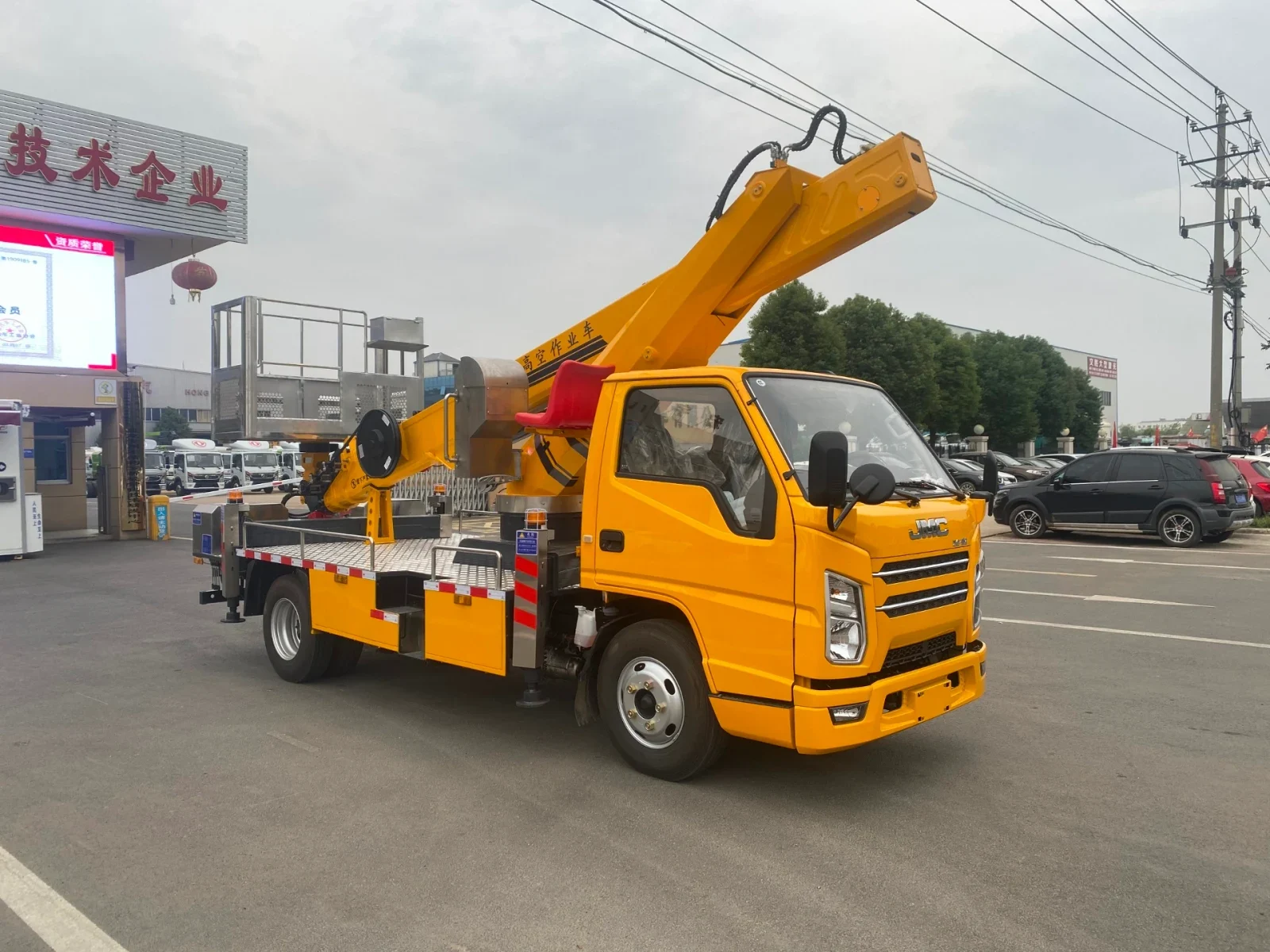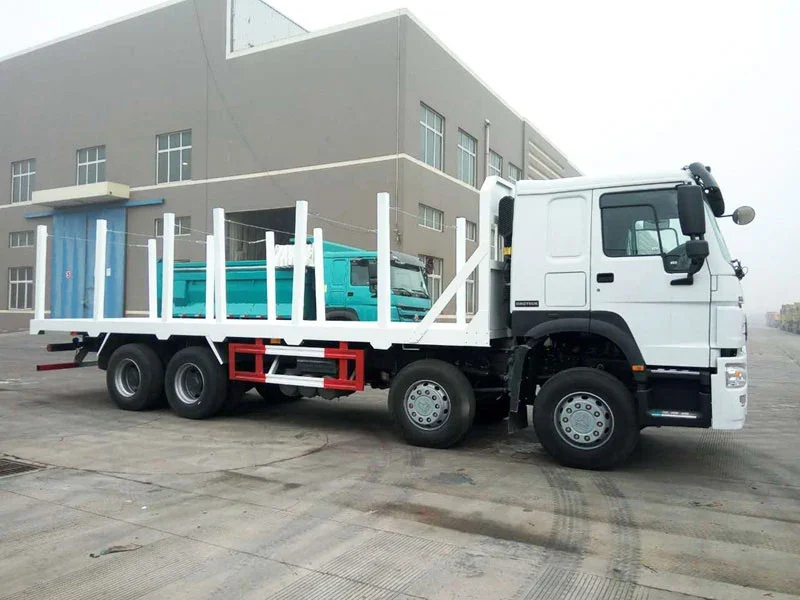
Confirm steering position before fixing the body layout
Specify left- or right-hand drive early, then review visibility, curbside access and body-control positions for the exact vehicle. Steering position is a completed-vehicle requirement, not a cosmetic choice. It affects the driver's relationship to the road, mirrors, service stops and working equipment.
Ask the destination's appropriate authority or qualified adviser to confirm the applicable vehicle requirements before ordering. This article provides purchasing questions rather than a country-by-country legal rule. A supplier saying that right-hand drive is available does not establish that the exact body, documents and equipment arrangement are suitable for your destination.
Review the driving position and working position separately
The driver needs adequate visibility for travel and manoeuvring. The crew may work from the side or rear of the truck. These tasks can require different viewpoints and controls. A body designed around one steering arrangement should not be assumed to work equally well after a simple dashboard change.
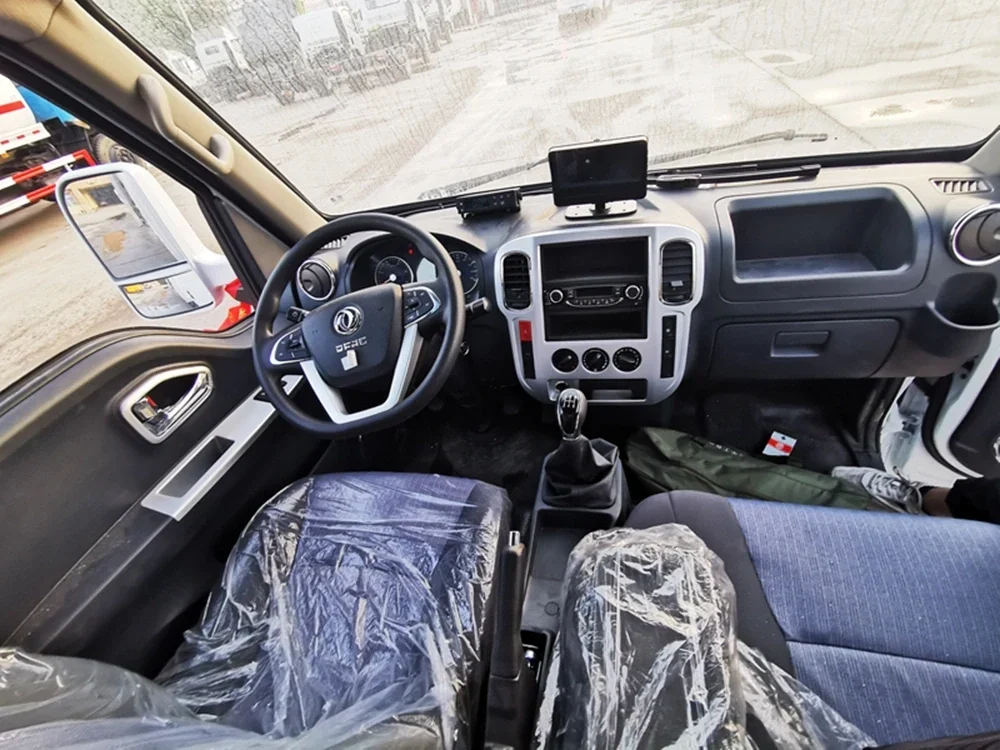
Manufacturer reference photograph. The cab interior shows the steering position and dashboard layout; this is one configuration, not a right-hand-drive conversion example.
Ask the builder to show the cab, mirrors, cameras, body-control stations, equipment doors and normal operator positions on one layout. Identify the side used for bin collection, hose handling or water-system operation. Check that the crew can reach controls without unnecessary exposure to passing traffic or moving equipment.
The appropriate operating procedure remains essential. Cameras and mirrors are aids within a complete vehicle and site plan; their presence alone does not establish that a manoeuvre is safe.
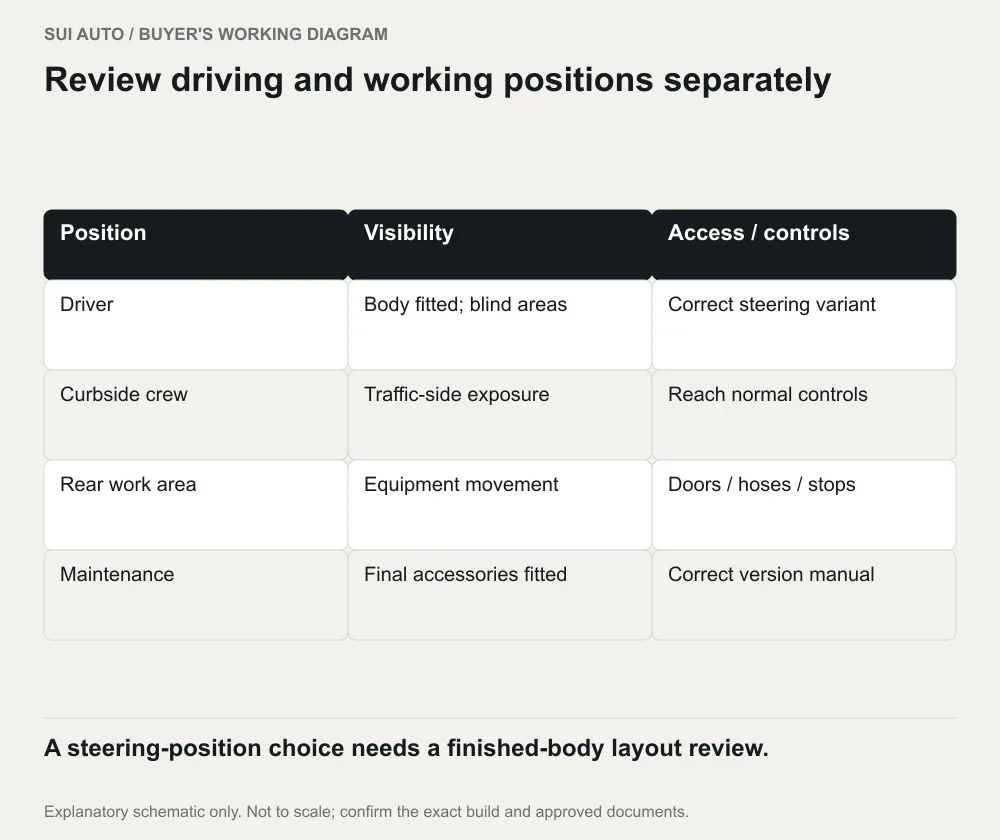
A steering-position choice needs a finished-body layout review. Explanatory schematic.
Use a comparison list that includes the finished body
Visibility: what can the seated driver see with the body and accessories installed? Are rear or side obstructions introduced by tanks, lockers or equipment?
Controls: where are body enable, stop and emergency controls located? Are labels and instructions correct for the actual installation?
Access: which side do crew members use at customer sites, and can doors or steps be used in the normal parking position?
Service: do steering-side changes affect component packaging or access? Ask for the exact chassis variant rather than assuming a mirror-image installation.
Documentation: do chassis identity, quotation and completed-vehicle documents describe the same steering configuration? Resolve inconsistencies before shipment rather than at arrival.
A hypothetical curbside collection route
Assume a buyer collects containers along one side of an urban route and must reverse into a depot bay. The route has narrow streets and parked vehicles. These are illustrative planning conditions, not a statement about a particular country's operating rules.
Map the actual work positions. Ask the supplier to show where the crew stands, where the driver looks and how the controls are reached. Review both forward travel and the depot manoeuvre. A steering position that suits the public road does not remove the need to assess the body-work interface.
For a demonstration, reproduce the agreed layout in a controlled area with representative obstructions and competent supervision. Record any blind areas and the required operating procedure. Do not infer visibility from an exterior photograph taken without the final body equipment.
Treat steering conversion as a technical change
If a supplier offers to change steering position after the quotation, request a complete revised chassis specification. Review the steering system, dashboard and control arrangement, mirrors, relevant body interfaces and documentation. The supplier should identify who performs and approves any work.
Avoid assuming that parts for one version will support another. Retain the installed steering component codes and the appropriate service information. A fleet that already operates one brand can still encounter different steering and electrical arrangements in another model or export version.
The SUI AUTO catalogue contains both left- and right-hand-drive manufacturer references. Their existence shows why steering position belongs in the enquiry. It does not promise that every listed vehicle can be supplied in both forms or converted without a new engineering review.
Enquiry and acceptance checklist
Send the destination, intended route, normal collection side, gate measurements and body-control requirements. Ask for the exact chassis code and steering variant, a finished-body visibility review and drawings of work positions. State the language and identification requirements for controls and manuals.
At acceptance, verify steering position and chassis identity against the specification. Sit in the normal driving position and review visibility with the final accessories fitted. Witness the agreed controlled manoeuvre and body-operation sequence. Confirm that manuals, labels and any camera views match the actual build.
Keep the review with the operator-training record. A later locker, spare wheel or roof accessory can change visibility and should trigger a fresh assessment.
Keep controls understandable across the fleet
If the fleet uses multiple steering arrangements, review how drivers identify the correct body-control sequence on each vehicle. Consistent wording and clear function labels can help training, but the labels must still match the actual equipment. Ask for the operator manual before handover and check that illustrations show the supplied version. A translated manual with the wrong steering or body-control layout can confuse an otherwise sound installation. Capture the finished control locations in the acceptance photographs for later reference.
Can I decide steering position after the body is built?
That can affect chassis supply, controls, packaging and documentation. Confirm it early and formally review any later change.
Does right-hand drive automatically satisfy a right-hand-drive market?
Steering position is only one requirement. Obtain a destination-specific review of the actual vehicle and documents.
Will a reversing camera solve all blind spots?
Its coverage, mounting, display and operating conditions need assessment. Use it within the agreed vehicle and site procedure, not as a substitute for reviewing visibility.
References and further reading
- CLW right-hand-drive logging reference
- CLW left-hand-drive water reference
- Isuzu official body builder guide access
- Daimler Truck official commercial-vehicle body builder information
- CLW Dongfeng 5 m³ Hook Loader manufacturer reference
- CLW HOWO 8×4 Logging Truck
- CLW Sinotruk Water Sprinkler Truck
- CLW Dongfeng 5 m³ Hook Loader
- Overseas buyer guide
Planning a purchase? Follow the overseas buyer guide for specification, payment, shipping and import preparation.