Choose between Dongfeng and Sinotruk around the completed vehicle
Choose the chassis that can complete your route with a documented body installation and service plan. A badge alone cannot decide between Dongfeng and Sinotruk. Both names cover multiple vehicle families, axle arrangements and equipment levels. Comparing one small Dongfeng with one heavy Sinotruk would mostly compare vehicle classes.
For municipal purchasing, begin with access, working equipment and disposal or refill travel. A water truck spends its shift differently from a combination sewer truck. Match two proposed builds to the same task before comparing engine figures, cabin features or purchase totals. Manufacturer references provide concrete configurations to discuss, while the quotation must identify the exact chassis and completed vehicle.
Use two real references without pretending they are equivalent
Kaili lists the Sinotruk Haoman combination vehicle KLF5160GQWZ6 with a 3900 mm wheelbase, and the Dongfeng Tianlong KLF5250GQWD6 with a 4350 + 1350 mm wheelbase. These are different scale references. The first question is which footprint and axle layout your route can use, rather than which brand is universally stronger.
The published Haoman clean-water and waste maxima are 4.5 and 8.5 m³. Tianlong lists 9 and 12 m³. These figures describe tank compartments and do not establish simultaneous permitted loads. A technically useful comparison asks both suppliers for the same usable-load statement and body-work duty. Otherwise the larger tank can appear attractive while creating an access or axle-weight problem.
Compare the interfaces that determine working availability
Use these paired questions in the quotation review:
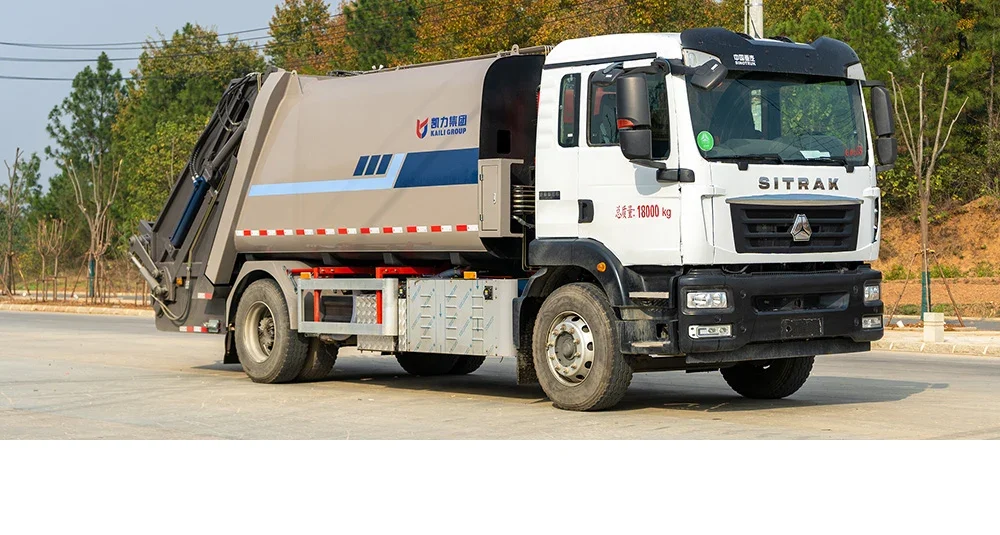
Manufacturer reference photograph. The Sinotruk electric compactor carries a different collection body and rear mechanism.
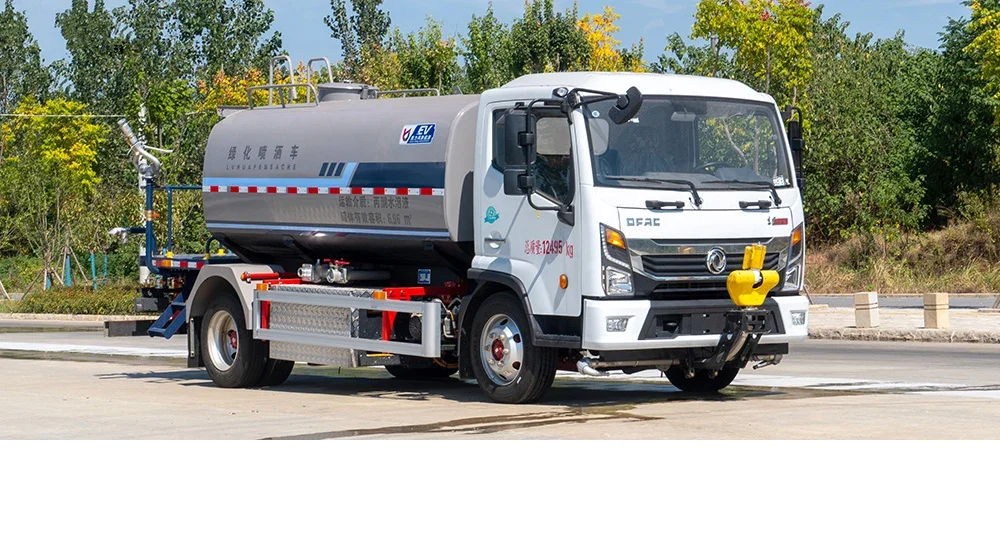
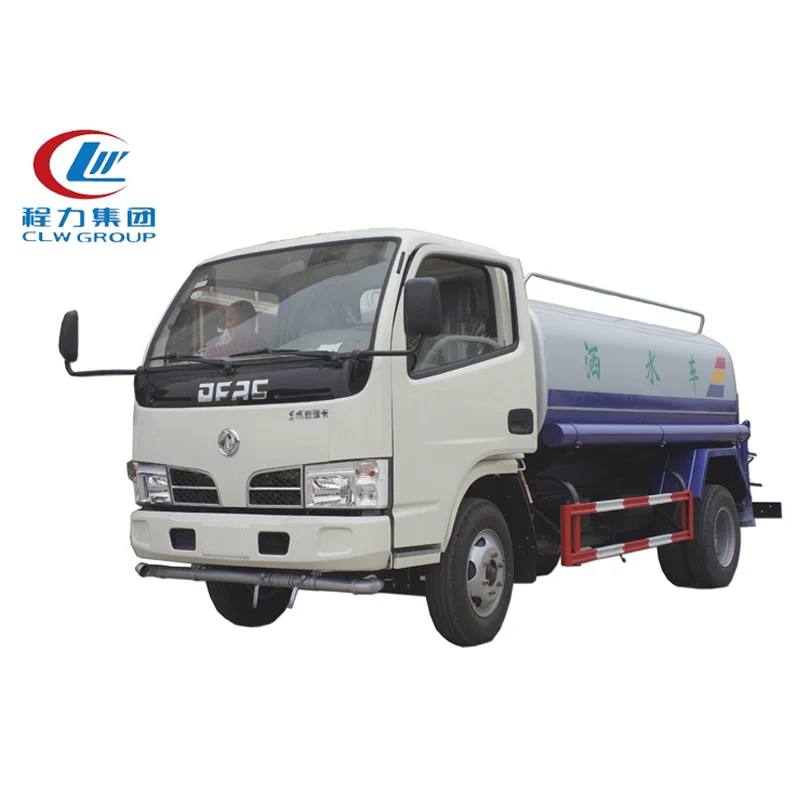
Manufacturer reference photograph. The Dongfeng electric water truck places a tank and service equipment on its chassis.
• Chassis identity: what exact code, wheelbase, drive layout and steering version is supplied? • Body installation: which drawing places the tanks, pump, hoses and service platform? • Driveline: what gearbox, final-drive ratio and auxiliary arrangement supports the operating cycle? • Service: who can identify and supply engine, brake, driveline and body components locally? • Evidence: what completed-vehicle weight and functional records will accompany acceptance?
A familiar engine badge can help a workshop, but a familiar badge without the correct calibration, diagnostics or parts numbers is weak evidence. Request written workshop capability and the installed component list. Separate the chassis support contact from the body-equipment contact so a pump fault does not become an unresolved responsibility dispute.
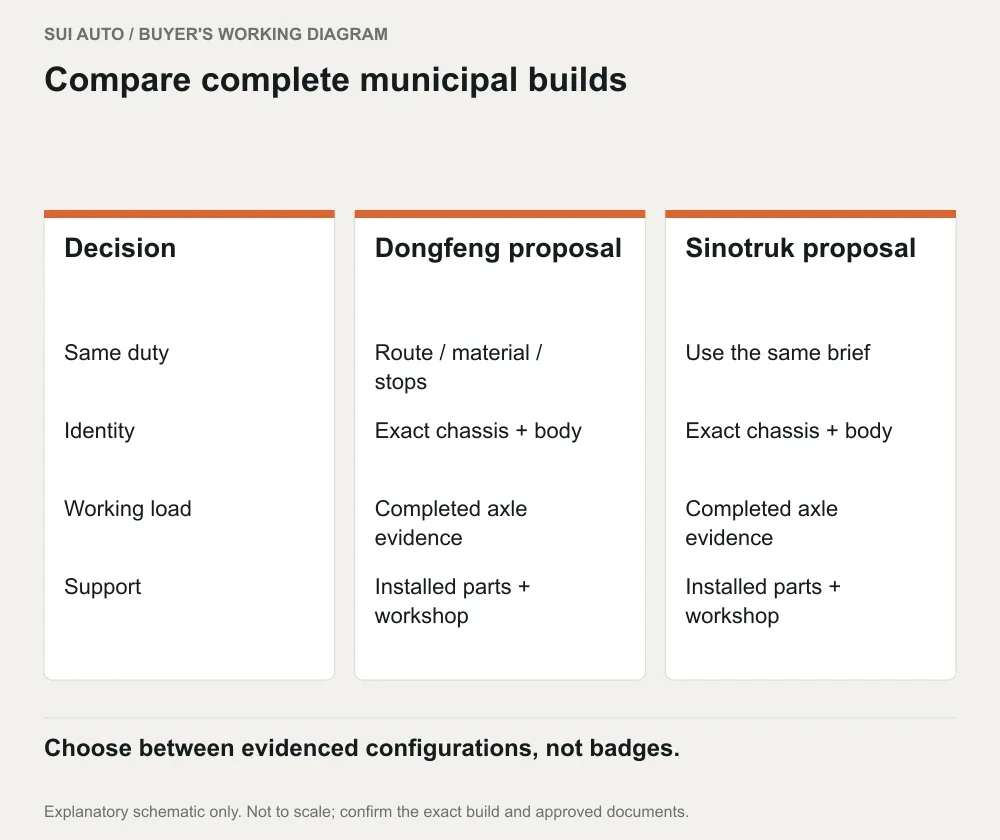
Choose between evidenced configurations, not badges. Explanatory schematic.
A hypothetical route changes the shortlist
Assume a contractor serves two districts. One has tight service lanes, frequent reversing and a nearby discharge point. The second has open roads and a long disposal journey. These are planning assumptions, not manufacturer performance claims.
For the first district, measure the narrowest approach and the working area at the manhole. A longer truck that carries more waste may lose time on positioning. For the second, compare usable material mass per trip and the complete travel cycle. A larger chassis may reduce trips if the route and disposal site can accommodate it. The conclusion can therefore differ within one fleet, even before service capability and driver familiarity are considered.
Build a comparison sheet that survives quotation changes
Give each proposal its own column. Keep chassis code, tank drawing revision, equipment models, operating assumptions and exclusions on separate rows. If a supplier changes the wheelbase or pump, ask for the related weight, access and performance evidence again. A revised price with the old technical sheet is not a complete revised offer.
Record each unresolved item with an owner and a due date. Examples include a local workshop confirming diagnostics, a body builder confirming the installation, and the buyer confirming gate dimensions. Score only evidenced differences. An unsupported claim about fuel savings or durability should remain an open item rather than earning points.
For a route trial, use the same crew, material assumptions and stop sequence for both alternatives where practical. Record travel, positioning, body work, cleaning and disposal separately. This reveals why a proposal fits the assignment and makes the eventual buying decision explainable to operations staff.
Enquiry and acceptance checklist
Send the route map, gate measurements, expected material, daily stops and refill or discharge arrangements. Ask for the exact chassis configuration, a complete equipment schedule, empty axle weights and proposed loaded conditions. Request manuals and a spare-parts identification list before signing off the build.
At acceptance, reconcile the vehicle identity with the quotation, photograph the installed component plates and check access to daily service points. Witness the agreed functional demonstration and record the actual test conditions. Confirm that any substituted part is documented and that the operator receives the correct controls and maintenance information.
Record why the selected proposal wins
Write a short decision note stating the route constraint, the evidence reviewed and the configuration selected. For example, a buyer might choose the proposal that reaches every service lane while carrying the required working load. Another might choose around verified disposal-cycle capacity. Keep the conclusion tied to those facts. If the operating route changes, the note explains which assumptions need reviewing. It also helps the service team understand why particular chassis, pump or storage options were specified instead of interpreting every later substitution as equivalent.
Is Dongfeng always cheaper to operate?
A brand-wide operating-cost conclusion would require comparable builds, routes and maintenance records. Compare your actual proposals and record the assumptions behind every cost line.
Does a larger Sinotruk chassis automatically carry more liquid legally?
The completed vehicle must satisfy its applicable gross, axle, tyre and route limits. Nominal tank size cannot answer that question.
Can I keep one body specification for both brands?
Start with the same duty requirement, then obtain a chassis-specific installation drawing. Mounting, auxiliaries and weight distribution require individual review.
References and further reading
- Kaili Haoman combination reference
- Kaili Tianlong combination reference
- Isuzu official body builder guide access
- Daimler Truck official commercial-vehicle body builder information
- CLW Sinotruk Water Sprinkler Truck manufacturer reference
- Kaili Sinotruk Haoman Combination Sewer Truck
- Kaili Dongfeng Tianlong Combination Sewer Truck
- CLW Sinotruk Water Sprinkler Truck
- Overseas buyer guide
Planning a purchase? Follow the overseas buyer guide for specification, payment, shipping and import preparation.