Compare the job and the chassis class first
Choose a compact Foton or Isuzu proposal by checking the completed vehicle's access, usable load, body interface and local maintenance support. Neither brand name guarantees those outcomes. A refrigerated truck, aerial platform and refuse collector may share a light-truck appearance while placing very different demands on the chassis.
Start with the equipment that must travel and work. Record the body mass, crew, fuel, tools and consumables before looking at advertised payload. Then define the streets, entrances and service facilities the truck must use. This creates a useful common brief for both suppliers and avoids a comparison built around unrelated brochure models.
Compare chassis numbers with body numbers
Ask both suppliers to separate cab-chassis mass from completed-vehicle empty mass. A light chassis can become a relatively heavy completed vehicle after a refrigeration unit, lift, hydraulic system or reinforced subframe is installed. The remaining load must be calculated from a consistent mass basis.
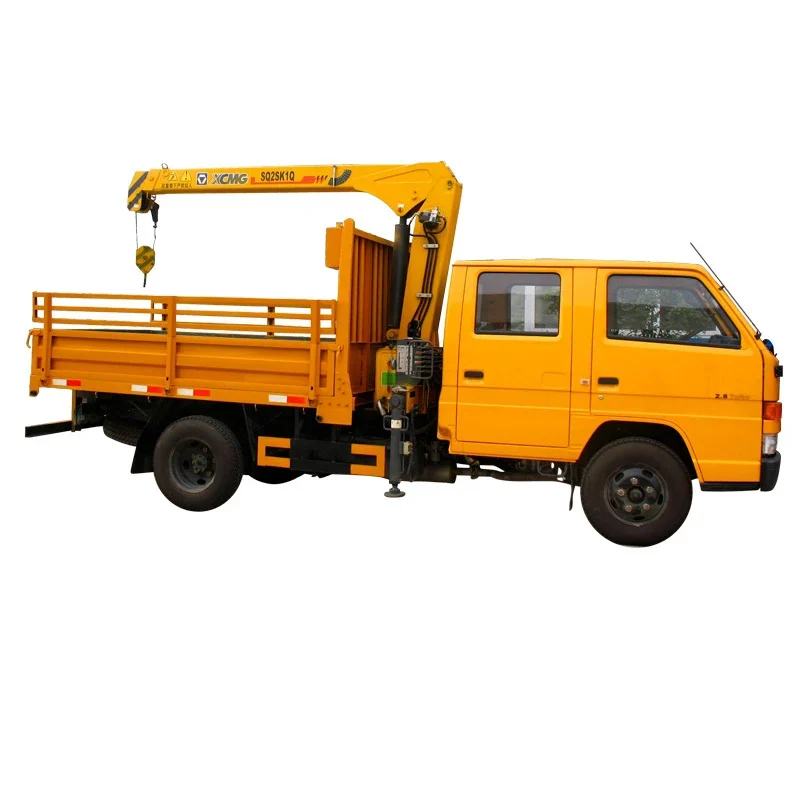
Manufacturer reference photograph. The Isuzu crane reference has a cargo bed and folded lifting equipment instead.
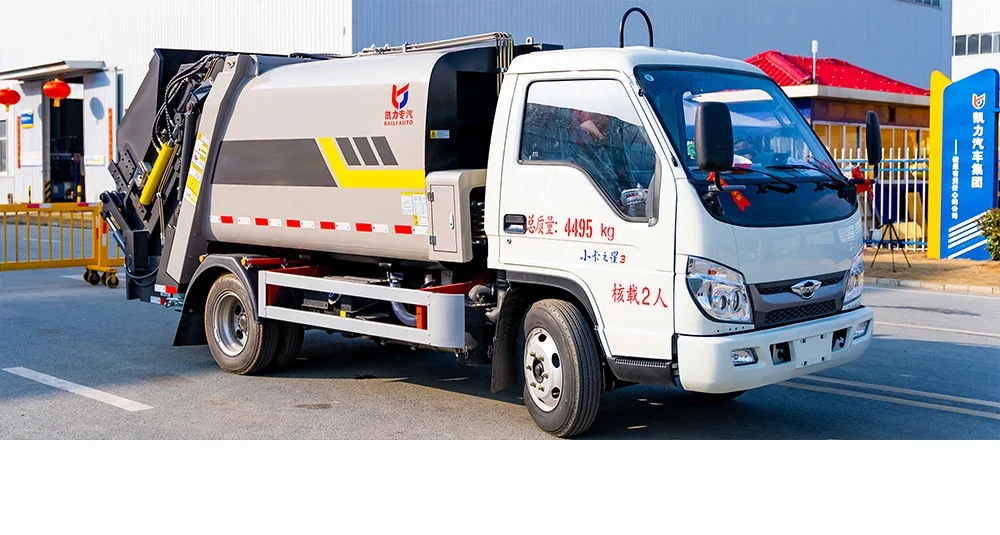
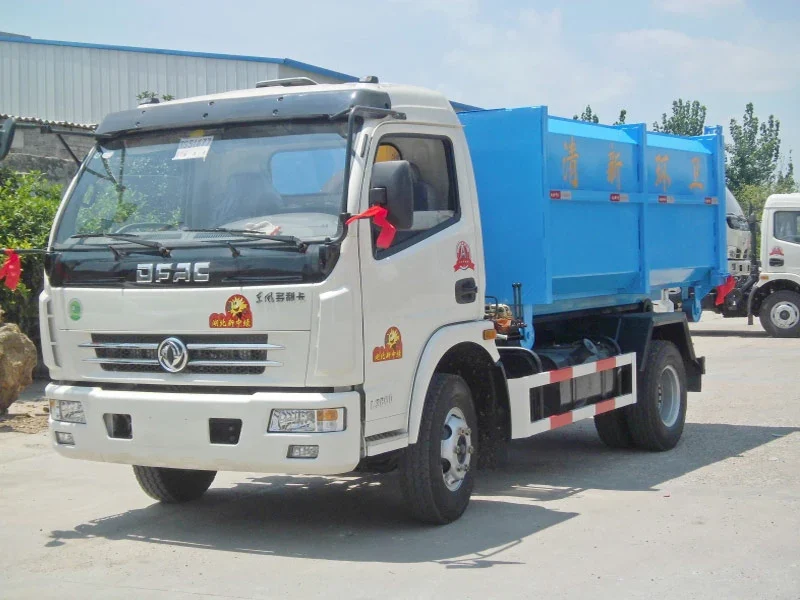
Manufacturer reference photograph. The compact Foton compactor has a rear-loading body.
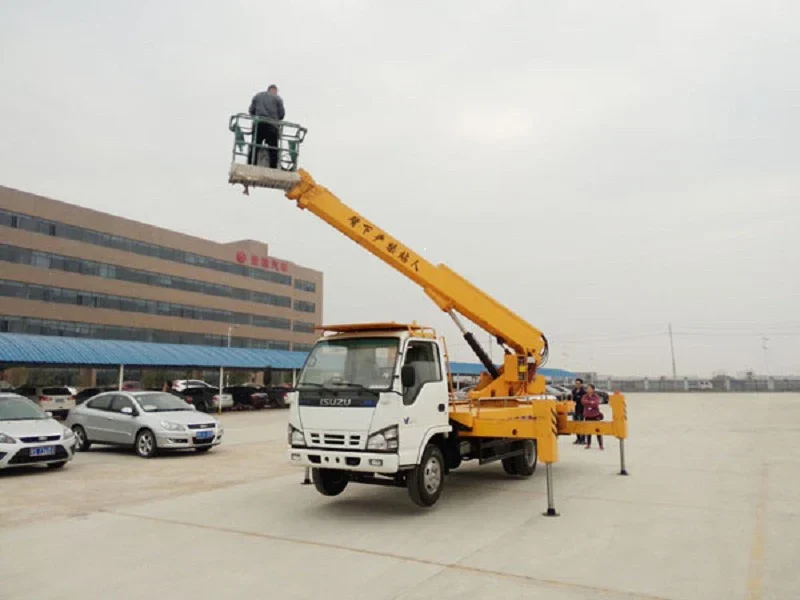
A Foton compact compactor reference in the SUI AUTO catalogue lists a 5.8 m³ body, while the Isuzu aerial-platform reference has a different purpose and equipment package. These examples illustrate why body volume and working height cannot rank chassis brands. They are useful starting points for enquiry, not a direct Foton-versus-Isuzu performance test. For a fair comparison, request two alternatives for the same completed body and duty.
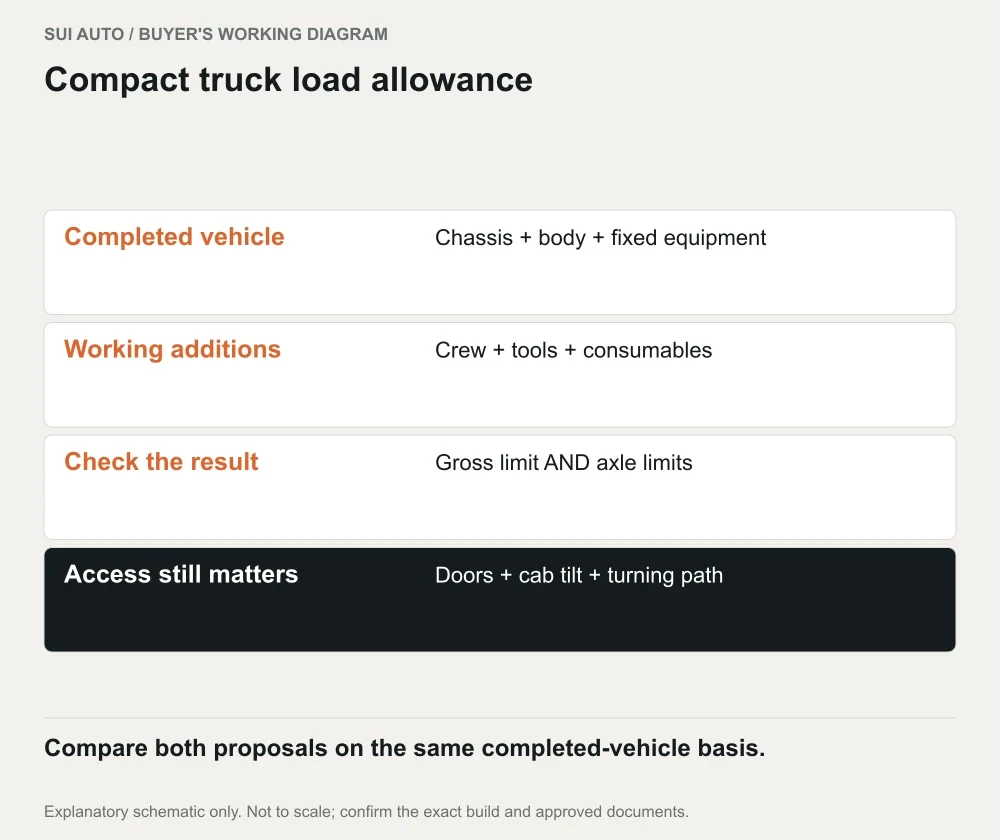
Compare both proposals on the same completed-vehicle basis. Explanatory schematic.
Use an interface comparison rather than a badge score
Compare these items side by side:
• Package space: available body length, cab-tilt clearance and room for tanks, batteries or storage. • Usable load: completed empty weight and axle loads, with the same crew and equipment assumptions. • Working duty: required engine speed, hydraulic or electrical supply, and stationary operating time. • Access: actual swept path, rear overhang, mirror width and height at the most restrictive entrance. • Support: exact engine and transmission identification, diagnostics, consumables and service contacts.
A short wheelbase may help one manoeuvre while making the chosen body layout harder to balance. An apparently generous chassis payload may be irrelevant if the completed rear axle reaches its limit first. Ask the body builder to explain both effects in the proposed installation drawing.
A hypothetical urban service assignment
Assume a buyer wants a compact maintenance truck carrying 900 kg of tools and consumables, with two crew members and a permanently installed body. The 900 kg figure is a planning example, not a rating for a listed vehicle.
The buyer should ask each supplier to weigh the completed empty vehicle and state exactly what that weight includes. Add the planned crew, fuel and working load, then review axle distribution. If the rear compartment holds the heaviest tools, move their positions in the drawing and compare the effect. A low initial purchase price becomes less useful if the daily tool inventory cannot travel within the documented limits.
The route trial should include the tightest yard entrance and normal parking position. Measure door-opening and operator space as well as driving clearance. A truck that enters the yard but prevents technicians from opening the equipment compartment has not solved the access problem.
Make service support specific enough to test
Ask the local workshop whether it can support the exact engine, transmission and electronic architecture. A statement that it repairs Foton or Isuzu trucks generally does not establish coverage for the proposed model year or export configuration. Request examples of the parts references and diagnostic tools it would use.
Compare maintenance access with the finished body installed. The cab may need to tilt, filters need removal space and the battery needs safe access. A body that obstructs routine service can add workshop labour regardless of chassis brand. Photograph access points during acceptance and retain the images with the maintenance schedule.
For a mixed fleet, consider whether consumables and service procedures genuinely overlap. Confirm part numbers before planning shared stock. Similar-looking filters, brake parts or electrical connectors should not be treated as interchangeable.
What to put in the enquiry and acceptance record
Supply the equipment inventory with item masses, route access limits and intended working hours. Request a complete-vehicle drawing, component codes, mass statement and the relevant installation review. Ask how the supplier will document any substitution.
Before handover, reconcile the actual chassis identity, steering arrangement, tyres and body equipment with the signed specification. Check cab tilt and daily maintenance access in their finished state. Witness the agreed equipment demonstration and confirm that manuals identify the installed versions. Keep unresolved discrepancies open until there is a documented resolution.
Check the comparison at the same configuration date
Keep both offers on a consistent revision basis. If one supplier changes the body material, auxiliary equipment or spare-wheel arrangement, update the comparison before deciding. A useful review records the mass effect, the service-access effect and the requirement that the change resolves. Ask the supplier to confirm whether the quoted chassis remains the same. This prevents a final commercial comparison from using the attractive technical details of an earlier proposal that is no longer being supplied.
Should I choose Isuzu because local mechanics know the brand?
Familiarity helps when it covers the exact model and diagnostic requirements. Verify that capability rather than assuming it from the badge.
Can a compact Foton carry the same body as an Isuzu?
Possibly, but the builder must review mounting, mass distribution, auxiliaries and finished dimensions for each chassis.
Is advertised payload enough for a service body?
Ask for the completed empty weight and a calculation including occupants, fuel, permanently installed equipment and the inventory you intend to carry.
References and further reading
- Kaili compact Foton compactor reference
- CLW Isuzu aerial platform reference
- Isuzu official body builder guide access
- Daimler Truck official commercial-vehicle body builder information
- Hongyu Foton Aumark Refrigerated Truck manufacturer reference
- Kaili Foton 5.8 m³ Garbage Compactor
- CLW Isuzu 14 m Aerial Platform Truck
- Hongyu Foton Aumark Refrigerated Truck
- Overseas buyer guide
Planning a purchase? Follow the overseas buyer guide for specification, payment, shipping and import preparation.