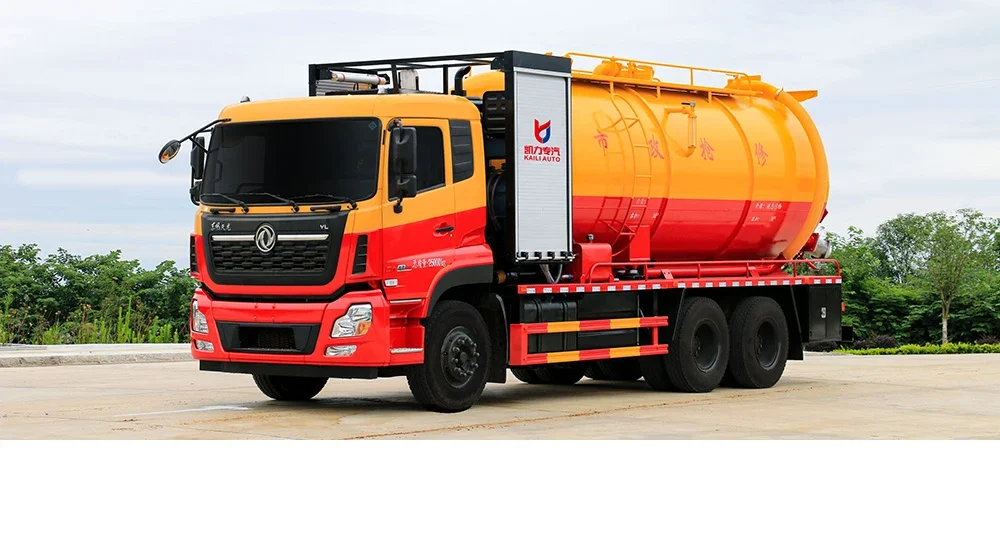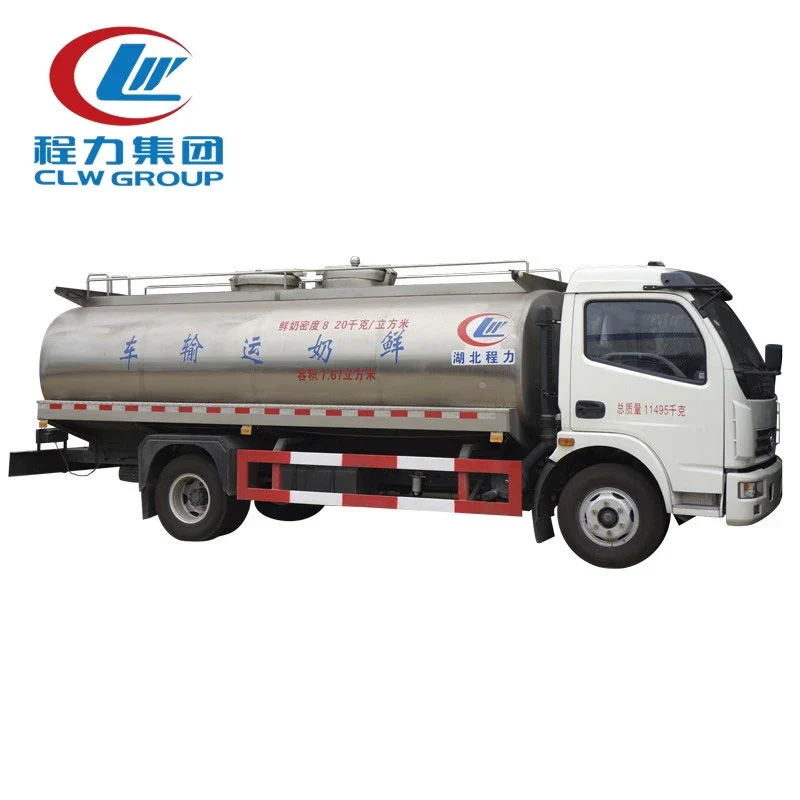
Ask what journey and cargo are actually insured
Before an imported truck leaves the supplier, ask the insurance provider to identify the insured vehicle, declared value, transport arrangement and start and end points of cover. Keep the policy or certificate and the applicable wording available to your receiving team. A statement that freight includes insurance does not explain the insured risks, exclusions or claim procedure. A vehicle with mounted specialist equipment should be described accurately, including loose items or approved transport removal where relevant. The insurer or broker must assess your transaction. This guide supplies review questions and does not promise that a particular loss will be covered.
Distinguish cargo insurance from payment protection
Insurance against a buyer's failure to pay is different from insurance for goods in transit. UK Export Finance's guidance expressly separates its export credit cover from cargo or shipping cover. When reviewing a supplier's insurance statement, ask which type of policy is meant and whose interest is insured. Warranty coverage also serves a different purpose and should not be assumed to resolve transit damage. Keep these arrangements separate in your purchase file so an attractive insurance label does not conceal a gap between factory readiness, transport exposure and the responsibilities after arrival.
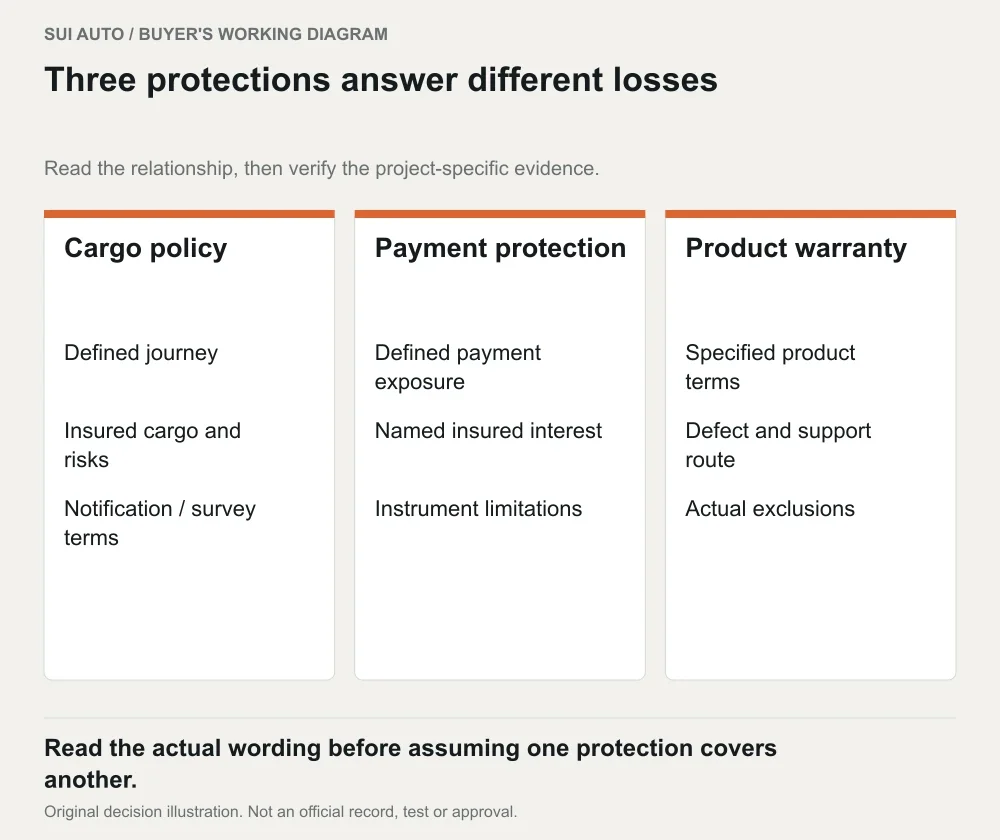
Buyer illustration: conceptual coverage distinctions; only the actual policy or agreement determines protection.
Review handling and preparation with the insurer
Tell the broker or insurer whether the truck will travel by RoRo, flat rack or another accepted arrangement, and whether it will be transshipped or stored. Ask about the effect of loading, unloading, exposed equipment, securing, packing and transport preparation on the proposed cover. Give truthful information about cargo condition and the actual shipping configuration. Use competent parties for the handling plan and obtain manufacturer instructions for the truck's preparation. Do not infer insurance protection from a general claim that the vehicle is seaworthy. The applicable wording and the insurer's response determine the scope you can rely on.
Clarify valuation, deductions and exclusions
Ask how the insured amount is established, what deductible or other limitation applies and whether any categories of damage or delay are excluded. If replacement of a specialist component would require freight or local labor, ask how those costs are treated rather than assuming they are included. Find out whether survey or notification requirements apply after a possible loss. Record the response in writing with the relevant policy. Avoid comparing policies only by premium: two offers with different insured journeys, limits or exclusions may leave the buyer with very different exposure.
A hypothetical arrival-damage example
Suppose a refrigerated truck arrives with visible damage to a mounted item. The receiver identifies the vehicle, photographs the condition and records the issue using the agreed receiving procedure. The team then follows the insurer's notification and evidence requirements and seeks advice before carrying out work that could affect assessment. This is an illustrative response, not a conclusion that the damage is insured. The purchase, carrier and insurance documents must be reviewed to determine the appropriate claim route. Evidence recorded before repair helps the relevant parties assess what happened without relying only on later descriptions.
Prepare the claim file before a claim exists
Keep the purchase invoice, insured description, shipment information, pre-departure condition record, packing inventory and contact details together. Ask the insurer who should receive an initial notice and which survey or supporting records may be required. Tell the receiving team how to report damage and whom to contact before disposing of packing or altering the affected component. The exact deadlines and procedures depend on the contract and policy, so obtain them from the responsible provider. A planned evidence process supports an informed claim review; it does not guarantee payment or remove the need to comply with applicable terms.
Does CIF mean comprehensive insurance?
Do not assume so. The ICC checklist notes a minimum-cover obligation under CIF. Ask for the actual policy and consider with your adviser whether its risks, limits and journey fit the truck and shipment. A trade term alone cannot answer every coverage question.
Should I arrange a survey for every arrival?
Ask your insurer and logistics advisers which checks suit the cargo and policy. A receiving condition record is useful, but an independent survey may be needed for particular damage or contractual requirements. Decide the procedure before departure so the receiving team knows how to act.
References and related reading
Planning a purchase? Follow the overseas buyer guide for specification, payment, shipping and import preparation.