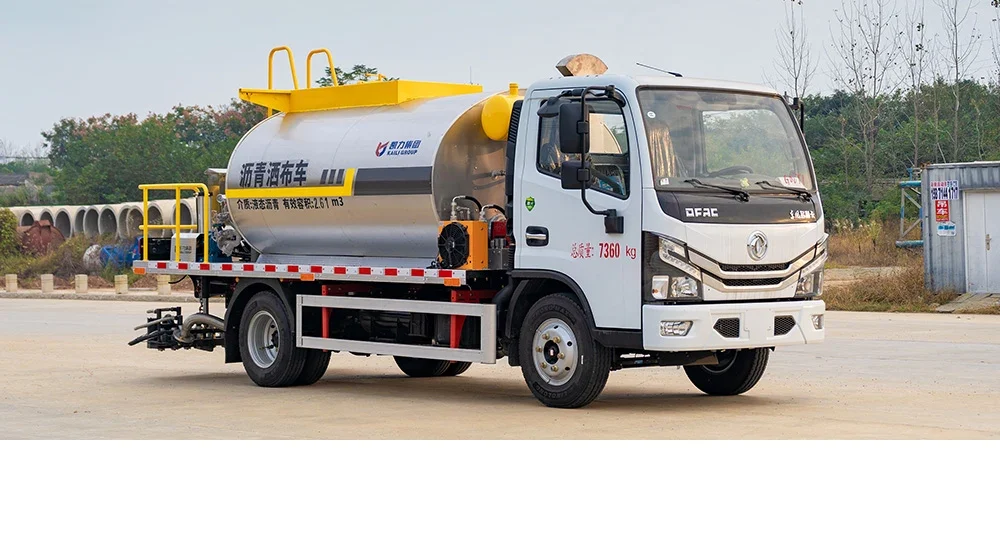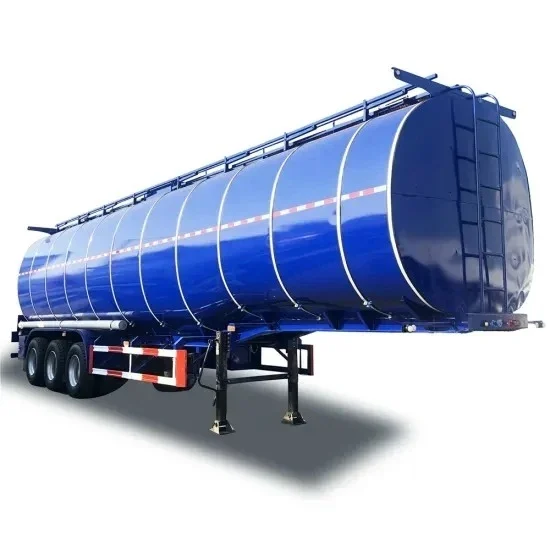
Send a material-and-temperature brief with the flow requirement
Give the pump supplier the exact binder or emulsion, its relevant viscosity information and the intended temperature conditions. Required flow alone cannot establish a suitable asphalt pump. Ask the integrator to assess the pump, drive, seals, heating arrangement and pipework together for the actual material and duty.
This article addresses the pump-selection and heating interface. It differs from selecting tank size or spray-bar controls. The purchase objective is a supported application selection with clear startup and operating limitations, not a larger pump chosen from a catalogue maximum. Temperature limits must come from the actual material and equipment suppliers.
Identify the binder before discussing pump size
Provide the material's full commercial or technical specification and current supplier data. Tell the equipment supplier whether the service is transfer, circulation, spraying or another defined task. If several materials are planned, list them separately rather than calling them all asphalt.
Ask the pump supplier which viscosity information it needs across the intended temperature range. Mark uncertainty if the material supplier has not provided it. A pump selection made for one binder should not silently become approval for another emulsion or filled material. The quotation should name the assessed service and identify any exclusions requiring another review.
Separate temperature conditions by operating state
Describe the expected condition at loading, during transport, at the delivery task and after planned interruptions. Identify what heating infrastructure is available and which equipment will supply it. The equipment integrator should decide the technical implications and document the supported arrangement.
Do not choose a universal heating temperature from a website or assume that hotter always improves pumping. The binder's limits and the component limits must be compatible. The purchase file should show who approves that relationship. This protects the buyer from receiving a pump selected for a temperature the material supplier does not support.
Ask what is heated and what is monitored
Viking Pump publishes asphalt-oriented designs with jacketed and electric-heating options. This illustrates that pump heating is an application feature with its own configuration. It does not mean any linked truck or trailer contains a Viking pump or supports the same options.
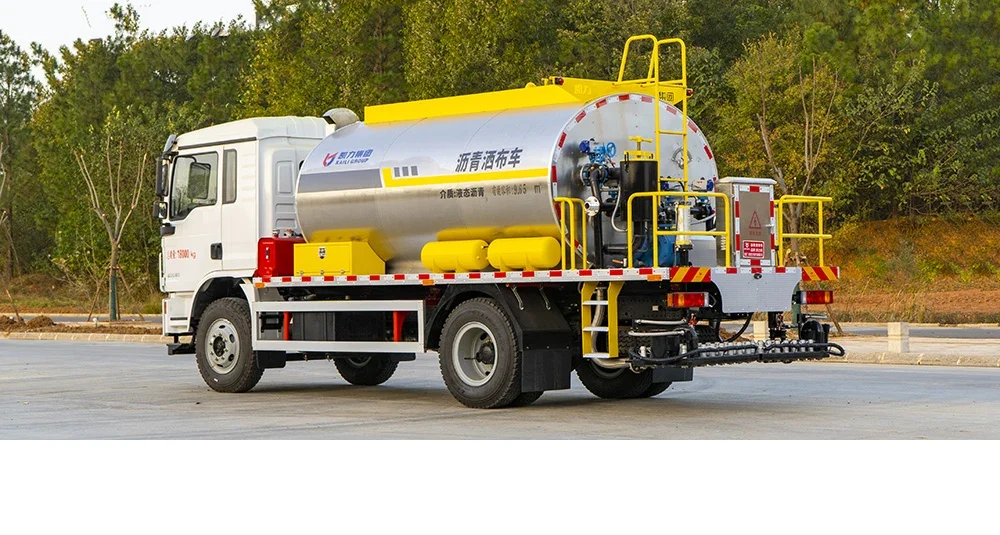
Manufacturer reference photograph. The asphalt body places equipment alongside the insulated tank; ask the builder to identify heating coverage through the transfer path.
Ask the builder to identify which parts of the supplied system receive heat and where temperature is assessed. Include the tank, pump and relevant transfer path in the review. A heated tank does not by itself explain the condition of every pump or valve. Request the approved heating and control schematic for the actual package.
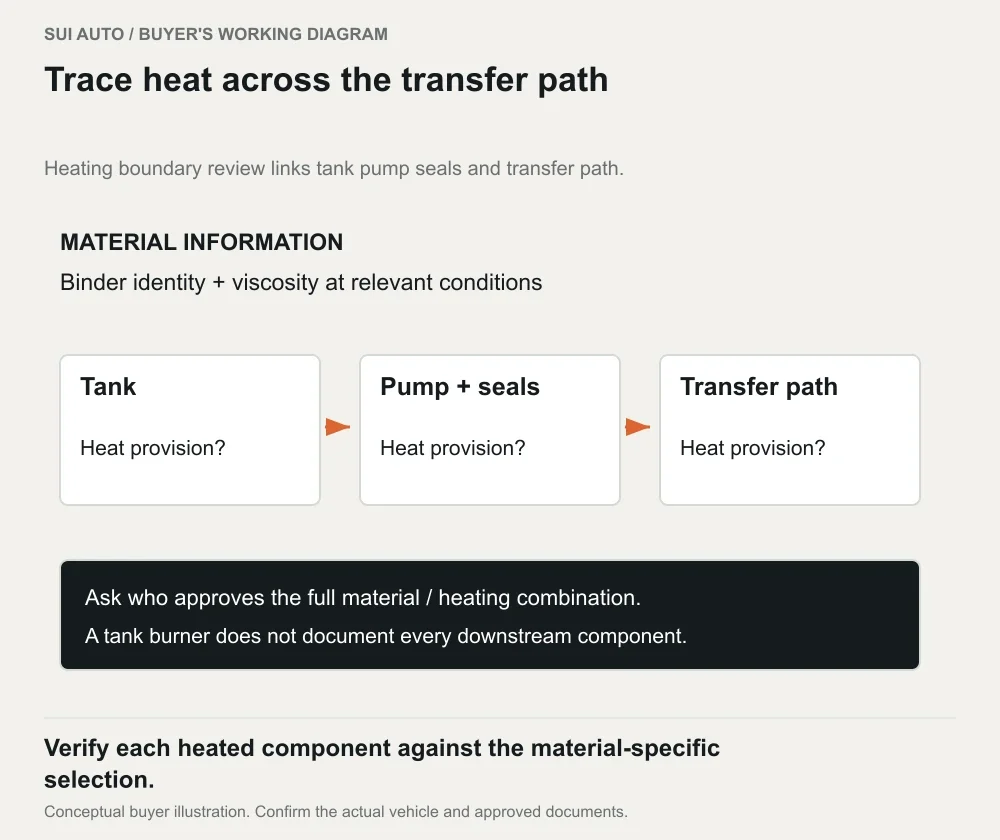
Conceptual illustration. Heating boundary review links tank pump seals and transfer path. Verify each heated component against the material-specific selection.
Compare selection points rather than catalogue extremes
Ask each supplier to state the selected operating point, material assumptions, drive arrangement and supporting application evidence. Keep maximum catalogue flow, viscosity and temperature figures separate from the approved selection. Published maxima may require particular constructions or conditions and should not be combined into an imagined best-case operating point.
The quotation should identify seal and port variants, heating provisions and the drive interface. Ask what information remains necessary before the supplier accepts the application. A conditional answer can be useful if the unresolved input is explicit. An unconditional claim covering unknown materials leaves the buyer without a defensible specification.
A hypothetical mixed-binder contractor
Assume a contractor handles one binder on most jobs and wants occasional service with another material. Its first enquiry specifies only tank size and discharge flow. The revised brief includes both material specifications, their supplier temperature information and the intended periods between tasks.
The pump supplier may approve one package, require a different variant or limit the materials covered by the offer. The contractor then compares that supported scope with its actual contracts. This scenario does not prescribe a pumping temperature or a cleaning procedure. It shows why a broad asphalt label cannot replace the material-specific application review.
Acceptance evidence for the integrated system
Request the selected pump and drive identities, material application response, heating schematic, temperature-sensor schedule and operating limitations. Ask the supplier to propose a safe functional assessment with defined conditions and responsible personnel. Agree which parts of the intended duty can actually be demonstrated before shipment.
Record test material and conditions so the result is not later described as proof for a different service. If representative material is unavailable, identify what documentary evidence and commissioning work will complete the assessment. Avoid an improvised trial with unknown binder or an unsupported temperature merely to produce a persuasive video.
RFQ checklist and spare-parts questions
Send the material specification, viscosity data available, required duty, pipework interface, intended temperatures and heating resources. Request the exact selected pump variant, drive, seals, heating package and control responsibilities. Ask for the manufacturer's supported inspection and maintenance documents.
Identify the replacement seals and other application-specific parts in the handover register. A similar pump housing can conceal a different internal or sealing configuration. Require technical review for substitutions, especially when the material or heating arrangement changes. Keep the binder application response with the actual equipment record so future buyers can assess continuity of support.
FAQ: Does the tank burner heat the entire transfer system?
Its presence does not establish that. Ask which components receive heat and how the integrator supports the complete pump and transfer arrangement.
FAQ: Can one viscosity figure describe every temperature?
Request the material information relevant to the intended operating states. The supplier must assess its selection using the conditions actually expected.
FAQ: Is the highest published pump temperature the right setpoint?
No. A component limit is not an operating instruction. The actual binder, equipment and process suppliers must establish compatible approved conditions.
References and further reading
Planning a purchase? Follow the overseas buyer guide for specification, payment, shipping and import preparation.