Compare the display with measured placement
Request a supplier-approved calibration and acceptance record connecting the controller's aggregate setting to independently measured placement for a defined material. A stable display proves what the controller reports; it does not independently establish the amount and distribution reaching the test surface. Include both overall application and distribution across the working width in the agreed assessment.
This article focuses on the evidence linking a setting to delivered aggregate. It differs from choosing a hopper, conveyor or general factory-acceptance checklist. The buyer wants a repeatable record that explains what material, configuration and conditions supported the result, with limitations stated clearly.
Identify the material represented by the calibration
Give the equipment supplier the intended aggregate specification and available grading information. Ask which material characteristics its calibration process records. If production material is unavailable at the factory, document the substitute and the resulting limitation rather than describing the test as a universal calibration.
Etnyre's manufacturer manual distinguishes aggregate calibration from stored controller memories. That is a useful procurement principle: recalling a saved setting is not the same as establishing its relationship to the actual material. The exact procedure must come from the supplied equipment manufacturer, since controls and spreading arrangements differ between machines.
Separate input, indicated rate and measured output
The acceptance sheet should identify the commanded setting, relevant displayed values and independent measurement result. Keep units visible throughout. Ask the supplier to explain how working width, travel condition and material identity are recorded. These details let reviewers understand what the number represents.
Do not use a photograph of the display as the complete result. Require the raw records specified in the approved test plan and the calculation basis used to interpret them. The purchasing team can check consistency and completeness while the qualified equipment and pavement specialists conduct and approve the technical assessment.
Check lateral distribution as a separate question
A total measured quantity can conceal uneven placement across the width. Ask the responsible specialist how the proposed assessment identifies that issue. Include the contracted spreading arrangement and any variable-width modes that matter to the purchase. A result at one width should not silently verify every possible width.

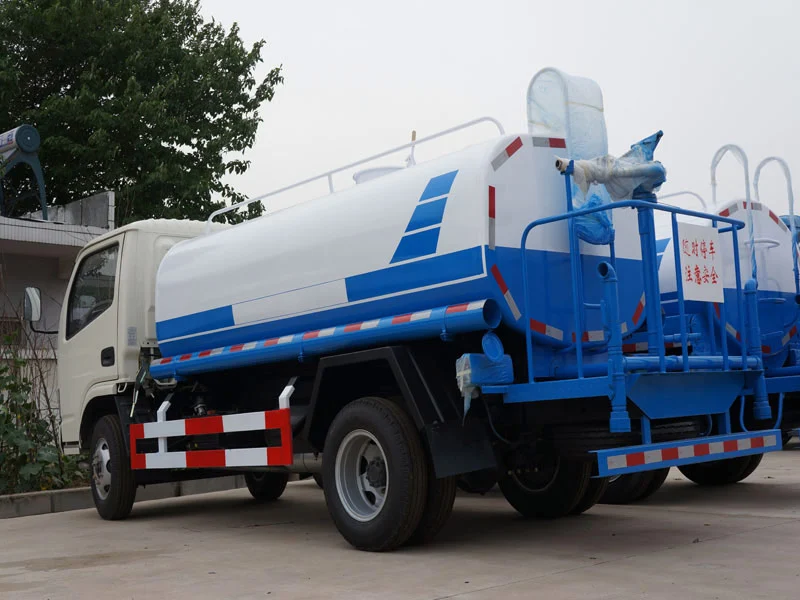
Manufacturer reference photograph. The rear aggregate-spreading assembly spans the chip sealer's width; its visible arrangement is separate from measured distribution evidence.
Require the supplier to state which sections or operating modes are included. The acceptance criterion should come from the project's competent technical authority and the equipment design, not a generic percentage invented by the buyer. Where the test scope is limited, record what further commissioning assessment remains before the machine is used on a contract.
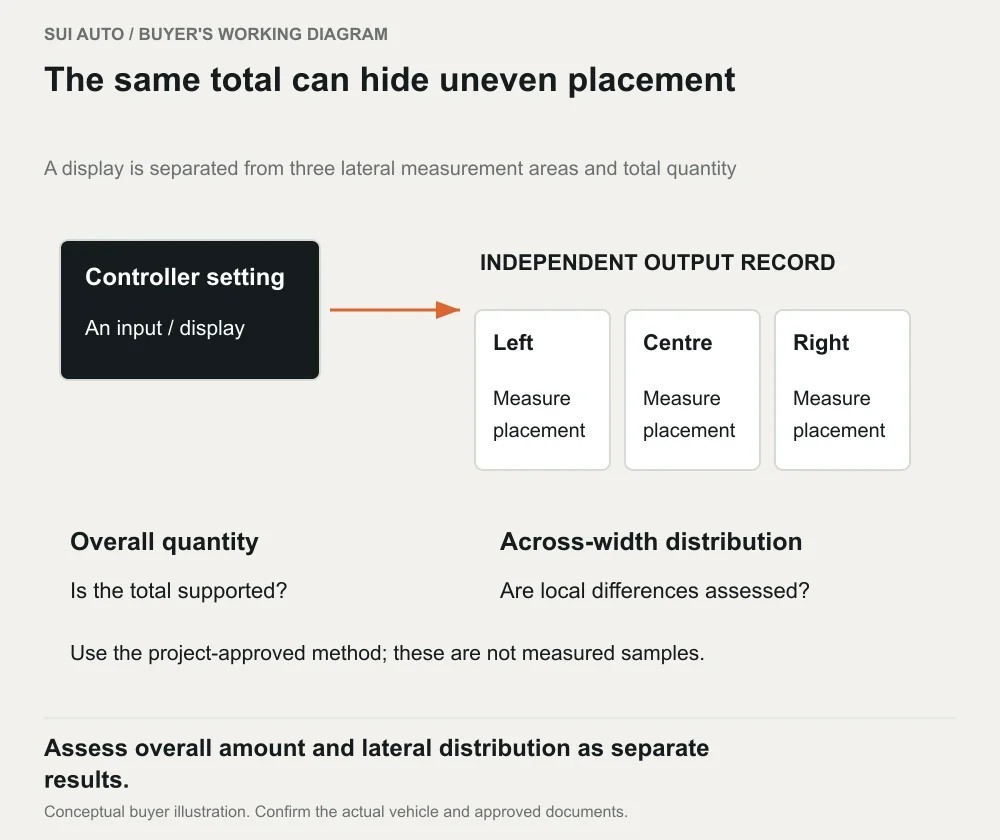
Conceptual illustration. A display is separated from three lateral measurement areas and total quantity. Assess overall amount and lateral distribution as separate results.
Ask how changes affect the stored settings
Different aggregate, component wear or a changed control configuration may require review under the manufacturer's procedure. Ask the supplier to explain the conditions that trigger reassessment and who is qualified to perform it. The owner needs this guidance in the delivered documentation.
Do not request unrestricted access to adjustment settings as a substitute for training. A controller can make a displayed rate look consistent while the underlying material assumptions remain wrong. The handover should explain how calibration records are retained and associated with the relevant material and machine configuration, so future operators can understand the supported basis.
A hypothetical two-aggregate contract
Assume a contractor plans to use two aggregate supplies during a maintenance season. The factory offers a demonstration using a convenient local material and a single stored preset. The buyer asks the supplier to identify what that demonstration verifies and how the actual project materials will be assessed during commissioning.
The revised file includes the factory test conditions and a separate approved plan for the contract materials. The buyer can now budget the commissioning work and compare suppliers fairly. This scenario does not prescribe a road application rate or adjustment procedure. The pavement designer and equipment manufacturer must define the actual requirements.
Build a reviewable acceptance record
Include the machine identity, controller version where relevant, aggregate identification, configuration, test conditions, measurement equipment and responsible personnel. Record commanded and observed values, independent measurements, repetitions required by the approved plan and the final technical conclusion. Retain exceptions and any agreed retest record.
A video can help show the context, but it should be linked to the actual record rather than edited into an unexplained success claim. If adjustments occur, the report should distinguish results before and after them. This makes the evidence more useful than one final photograph and supports later review when the machine changes service.
RFQ checklist for calibration support
Ask what calibration equipment and documents are supplied, which material is used at factory assessment and what local commissioning requires. Identify responsibility for the test area, aggregate, weighing equipment and competent approval. Confirm whether training covers the installed controller variant and the manufacturer's reassessment conditions.
For spare parts, ask which sensors, gates and other metering components have configuration-specific references. Replacing a part should follow the manufacturer's approved process, including any required verification. The owner should preserve the final settings and calibration records through supported methods rather than relying on one operator's recollection of a successful job.
FAQ: Does a saved preset prove the rate is correct?
It recalls stored information. The relationship to actual aggregate placement needs the calibration and assessment required for the supplied machine and material.
FAQ: Is a weighed total enough to assess uniformity?
It may establish overall quantity within the test scope. Distribution across the width needs its own assessment approved by the responsible specialist.
FAQ: Can the factory's local aggregate represent every future supply?
Do not assume so. Record its identity and obtain the manufacturer's guidance on assessment when material or operating conditions change.
References and further reading
Planning a purchase? Follow the overseas buyer guide for specification, payment, shipping and import preparation.