Ask the import questions before the purchase is irreversible
Send your broker a preliminary vehicle file before approving the final order or deposit. The most important questions are whether the proposed vehicle can follow an acceptable import and registration path, what information is still missing and which requirements affect the build. A broker cannot assess an unspecified truck from a price alone. Give the destination, buyer or importer identity, intended use, new or used status, chassis and body proposal and the supplier's available documents. This early review is a decision aid, not an assurance that clearance will be automatic.
Describe the complete vehicle
Include the exact chassis model where available, steering position, powertrain proposal, body type, equipment and manufacturer references. Supply photographs that correspond to the proposed model and distinguish reference accessories from included equipment. Explain whether the vehicle carries goods, performs a working function or does both. State any unresolved option that might change the assessment. Ask the broker which technical documents or certificates are required for review. Do not presume that a domestic manufacturer's approval or a generic certificate establishes destination road-registration eligibility for the complete imported vehicle.
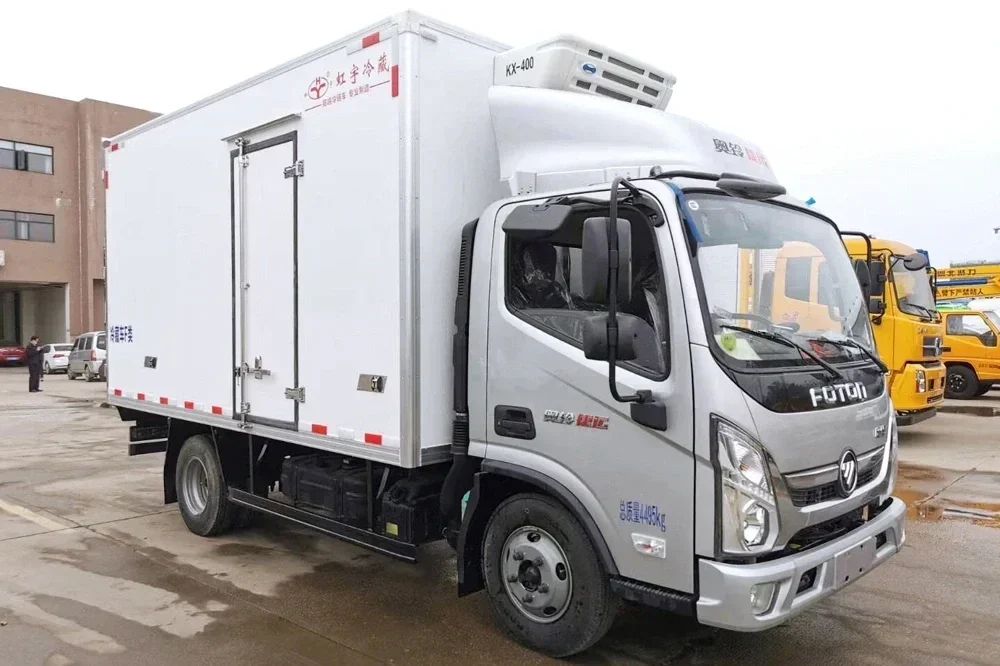
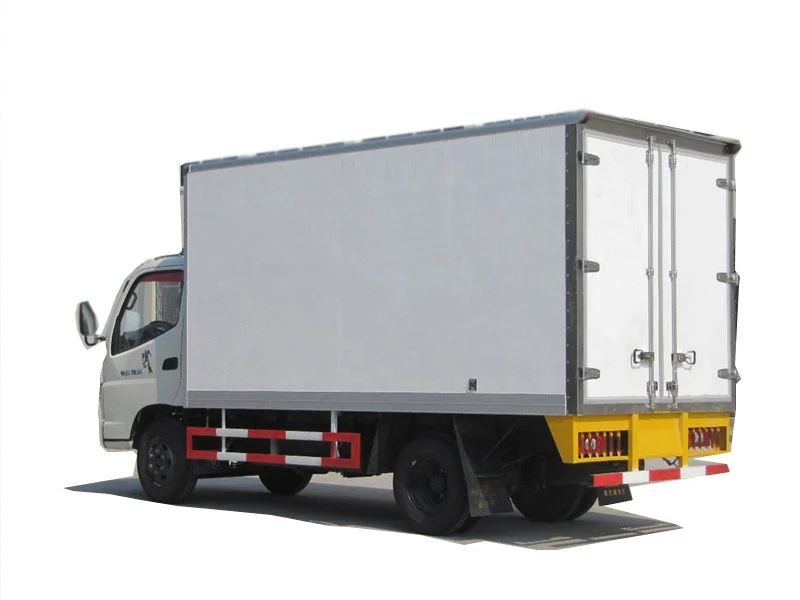
The insulated body and refrigeration unit in Hongyu's reference photograph give a broker more useful context than a bare chassis name. They still need the actual build specification and destination file.
Identify the importer and intended route
The buyer's organizational status and intended import route may matter to local requirements. Tell the broker who will be importer of record and whether the truck is intended for road registration, project use or another clearly described purpose. Ask about any eligibility, authorization or conformity question that must be resolved before shipment. Do not assume the supplier can act as importer in your country or that an agent's contact details satisfy local obligations. Record the broker's response and the authority or rule it relies on, including the date and any conditions relevant to your transaction.
Provide a preliminary commercial and logistics file
Give the quotation, proposed delivery term and place, anticipated origin and arrival ports, shipment method and available transport dimensions. List separately packed accessories and parts. Ask what document formats and descriptions the broker needs and when they can be reviewed. The International Trade Administration discusses invoices, packing lists and transport documents as common trade records, but your destination may require other evidence. Mark preliminary values and identifiers clearly. The purpose is to identify missing requirements early, not to create a final declaration before the supplier has allocated and completed the actual truck.
Turn the broker's response into a decision register
For each issue, record the question, answer, source, responsible party, evidence needed and target resolution point. Examples include classification, vehicle approval, importer status, invoice details, origin evidence and final shipment records. Separate confirmed answers from matters still awaiting authority review. If a required feature affects the chassis or body, send it to the supplier as a mandatory specification item. Ask the broker to recheck the file when the configuration changes. Keep commercial payment approval separate from this register so an unresolved import condition cannot disappear simply because the supplier has requested a deposit.
Use a simple output status: confirmed on the stated facts, conditional on named evidence, or unresolved. For a conditional item, identify the missing record and the issuer that can supply it. If the answer changes the vehicle configuration, copy that requirement into the controlled supplier brief and request acknowledgment. Revisit the status once the actual VIN and final equipment list exist. The register should show a decision path rather than a folder of unrelated emails.
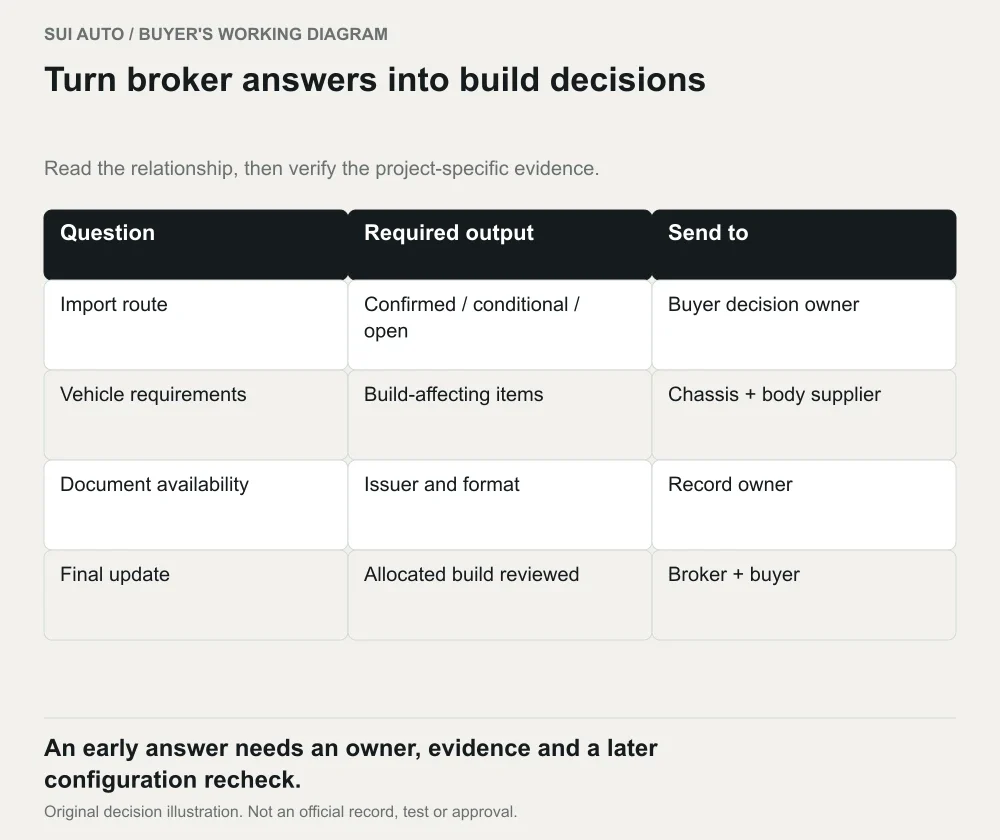
Buyer illustration: pre-order review planning aid; no broker advice or clearance approval is represented.
An illustrative first-import review
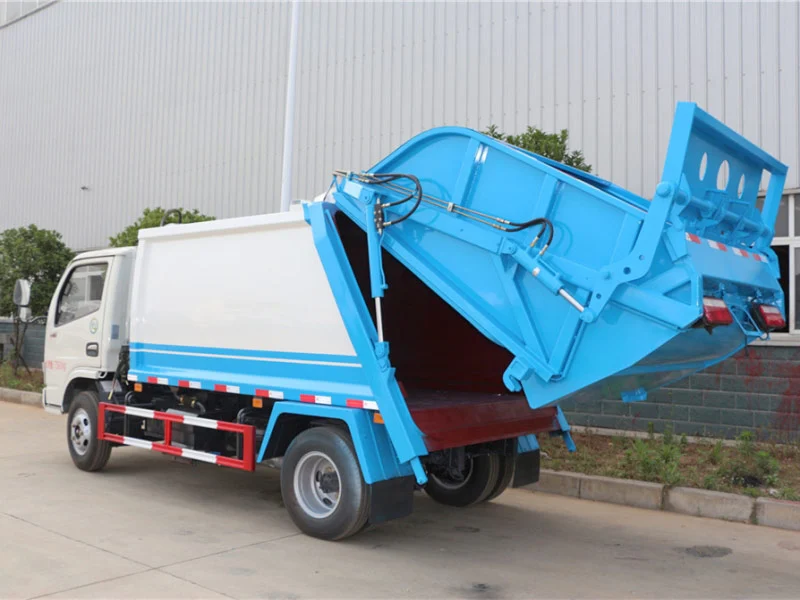
Imagine a contractor intending to import a compactor for a municipal contract. The initial broker review finds that the buyer has not identified the intended road-registration path or obtained the exact complete-vehicle description. The contractor resolves those points before selecting the chassis and approving the deposit. This hypothetical example contains no claim that a particular market accepts the truck or grants an exemption. It demonstrates how an early document conversation can uncover a build or eligibility question while the buyer still has alternatives, rather than after the truck is at the arrival terminal.
Can a broker guarantee that the truck will clear customs?
Ask what the broker can confirm and what remains subject to authority assessment, inspection or final documents. A responsible review states its assumptions and limitations. Do not treat an informal price estimate as a binding approval or a universal import permission.
Should I wait until the VIN is available?
No. A preliminary review can identify requirements before allocation. Clearly label the file as provisional and update it with the actual identifier and final build when available. Ask the broker which decisions can be made early and which require the completed vehicle's records. Ask who will revisit the preliminary advice once the supplier confirms the exact model, equipment identities and final transport configuration.
References and related reading
Planning a purchase? Follow the overseas buyer guide for specification, payment, shipping and import preparation.