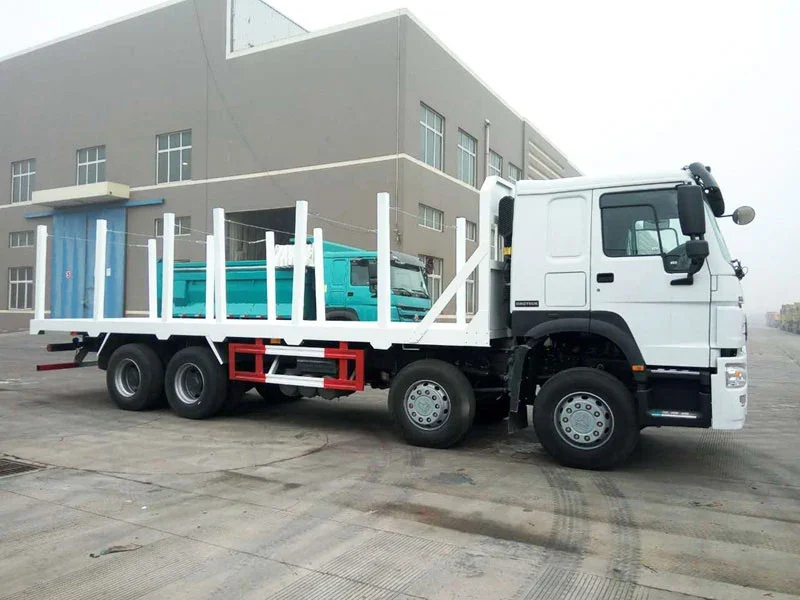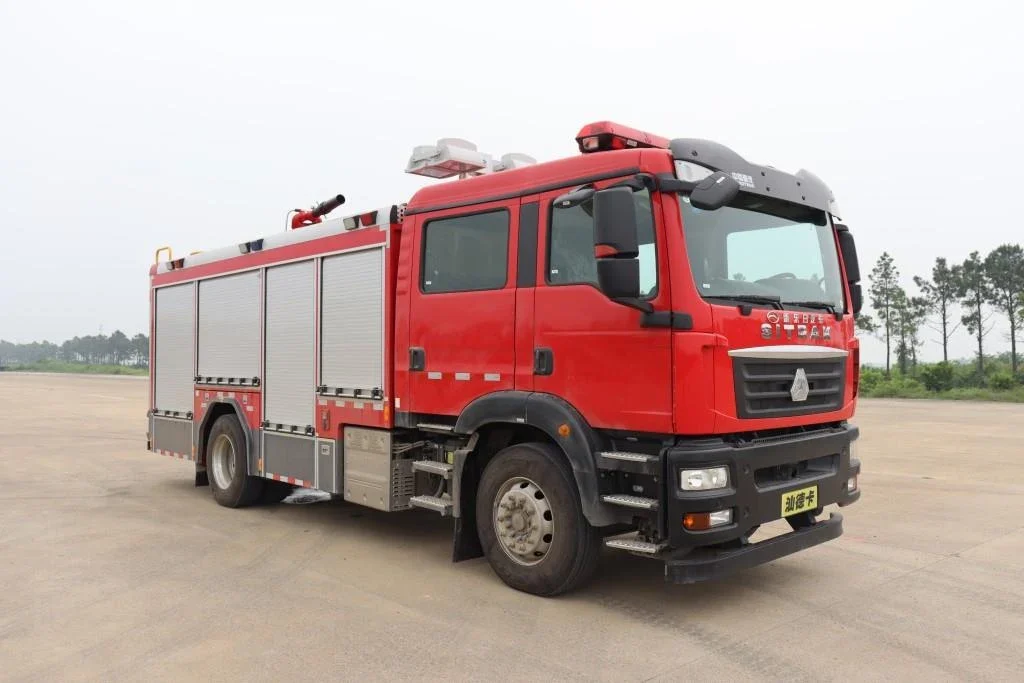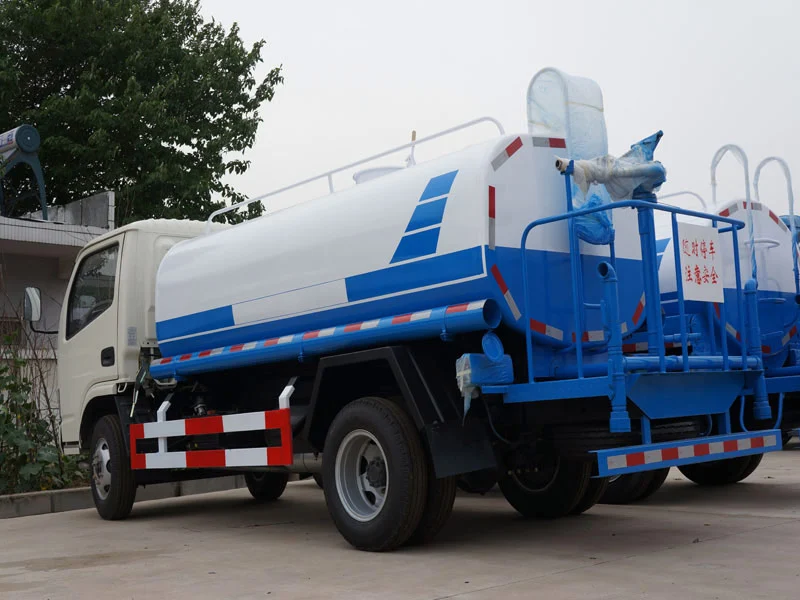
Preserve the intended waste stream
Review a dedicated food waste truck when the service is collecting separated restaurant or kitchen waste and the receiving facility requires that stream to remain separate. Review a general refuse compactor when the approved material is mixed municipal refuse and the bin route suits its equipment. Wet organic material raises questions about leakage, cleaning and receiving-site compatibility that a generic garbage truck description cannot answer. The right choice begins with the accepted waste specification and collection containers. Ask the manufacturer to confirm suitability in writing. The choice should never depend on assuming that every closed garbage body is equally appropriate for every liquid-rich waste stream.
Discharge compatibility deserves early attention
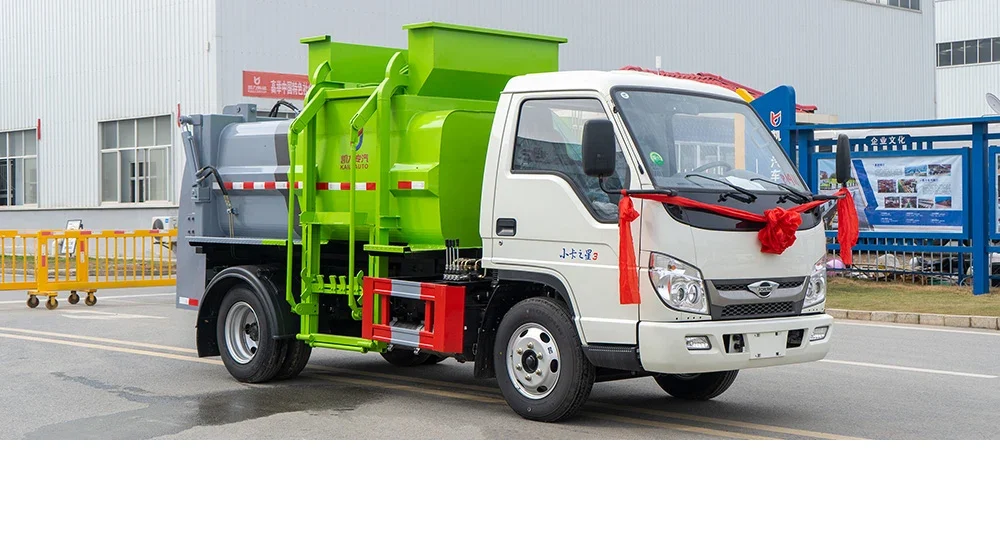
The reviewed Kaili Foton food waste listing identifies a 3 m³ body and push-plate discharge. That tells buyers to check how the proposed body will interface with the receiving facility. It does not establish how every food waste treatment site will accept the load. Confirm approach space, permitted vehicle positions, unloading arrangement and any container separation rules with the receiving operator. A compactor may use a different discharge layout and equipment sequence. Both require a defined safe work area. If the receiving site cannot accept the quoted method, changing trucks after purchase may be difficult. Resolve that interface before debating small differences in body volume or accessories.
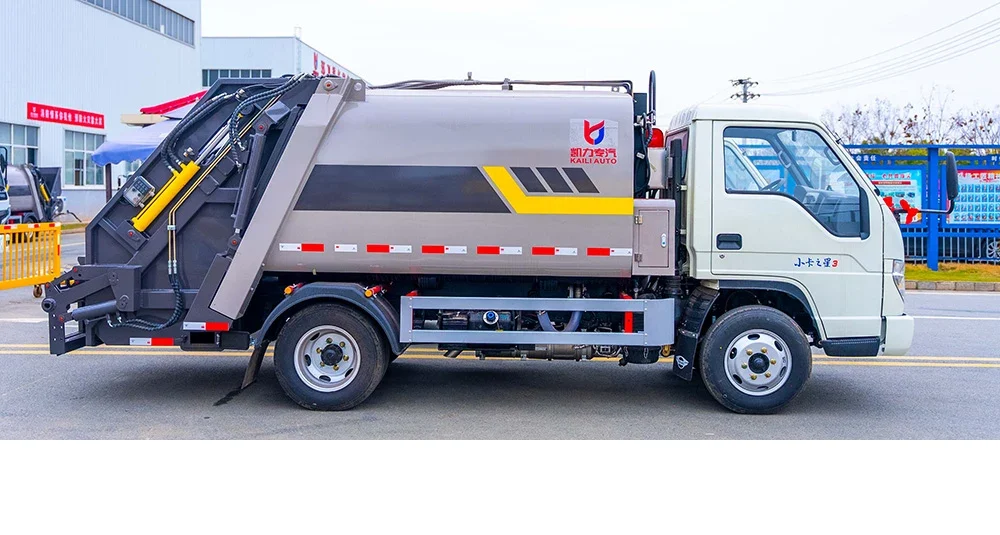
Manufacturer reference photograph. The compactor uses a different rear-loading mechanism.
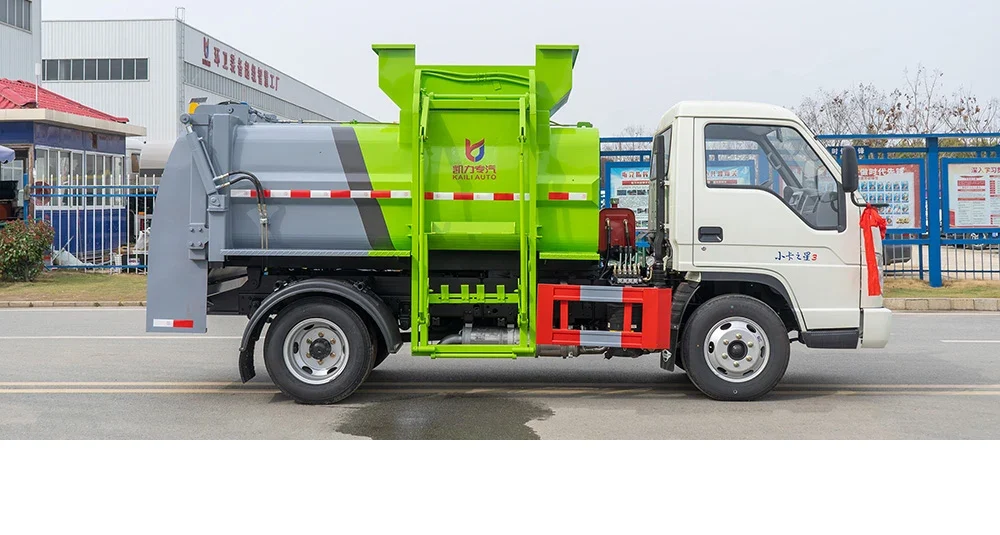
Manufacturer reference photograph. The food-waste truck has a side-mounted bin-lifting arrangement.
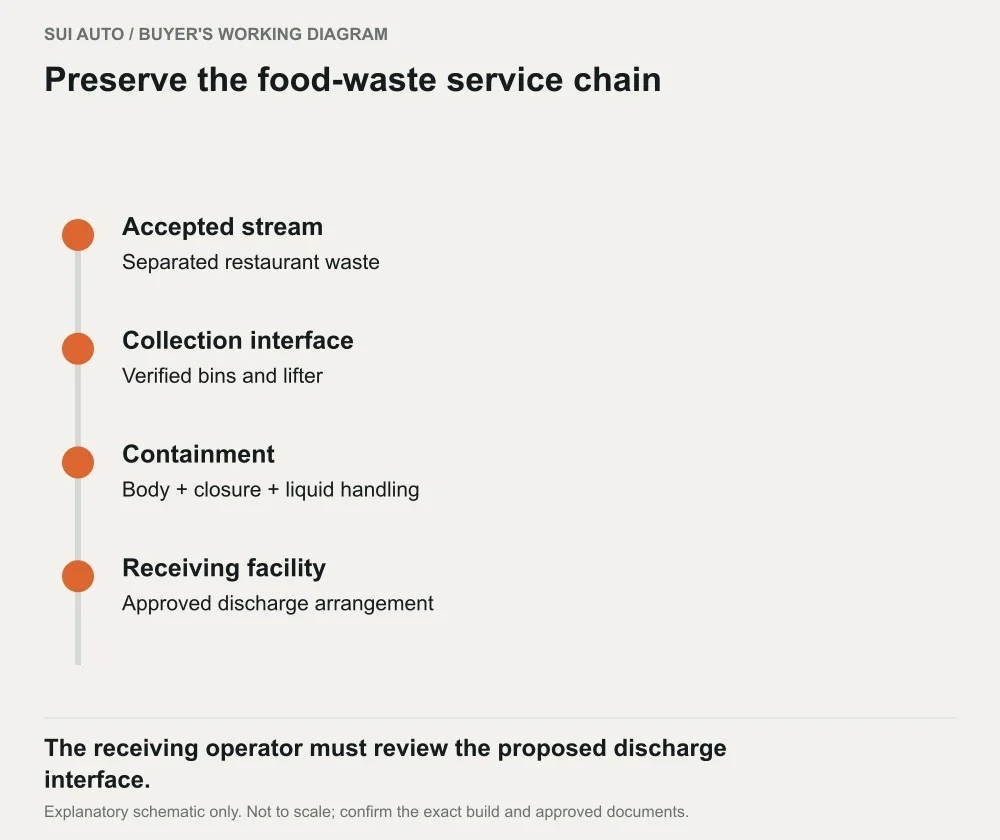
The receiving operator must review the proposed discharge interface. Explanatory schematic.
An assumed restaurant district
Assume a contractor collects separated food waste from restaurants with wheeled bins, then transports it to a facility that accepts only that organic stream. This example assumes separation is already organised; it makes no claim about recovery yield. The buyer should confirm the actual bin interfaces, collection frequency and the wetness of the material with the supplier. A food waste truck may fit the dedicated route, while a mixed-refuse truck remains appropriate for a separate general-waste service. Mixing streams for convenience can undermine the receiving arrangement. Route planning should also include a permitted place for cleaning and handling wash water, rather than expecting crews to clean the body at any convenient roadside location.
Inspect containment as a system
Ask about the body, rear closure, seals, drain points and any separate liquid collection provisions on the quoted configuration. A single visible gasket does not establish complete leak control. Inspect how closures are protected from damage, how replacement seals are identified and how authorised cleaning access is provided. Confirm whether the manufacturer's material restrictions exclude corrosive chemicals or other contaminants commonly found in mis-sorted bins. Also review odour-related features actually included; avoid accepting an absolute odour-free promise. Collection practices, damaged receptacles and cleaning routines influence the result alongside the body. Specify observable acceptance criteria for leakage and closure fit instead of relying on a marketing claim about a sealed design.
Prepare the enquiry and handover evidence
Send the waste-stream description, representative bin measurements, collection locations and receiving-site requirements. Request the exact lifter, body layout, discharge system, seals, cleaning provisions, weight documents and spare-part references. Have the supplier state what equipment is optional. During acceptance, check receptacle fit, closure alignment, accessible inspection points and the supplied manuals against the agreed configuration. Demonstrations should use an approved test material and trained personnel. Cleaning, blockage removal and maintenance can expose hazardous stored energy; applicable energy-control programmes and manufacturer instructions belong in staff training. This article does not give a cleaning sequence. The buyer should confirm local hygiene and waste-handling requirements with competent advisers before operating the service.
Ask the receiving operator to review the specification
Share the proposed vehicle drawing and waste description with the receiving facility before approving the order. Ask it to identify any requirements affecting the incoming material, receptacles or discharge interface. Keep the response with the procurement record and identify changes that require another review. The truck supplier should confirm the corresponding equipment scope, while the receiving operator confirms its own acceptance arrangements. This separation avoids implying that purchase of a dedicated food waste body automatically grants access to a particular treatment site or establishes how that site will process the collected material.
Three questions specific to food waste
Can kitchen waste be carried in a normal compactor? Suitability depends on its documented waste restrictions, containment and receiving-site requirements; obtain approval rather than inferring it from the vehicle name. Is the listed body volume the same as usable payload? No; the quoted mass limits and material characteristics also govern loading. Will a push plate fit any unloading bay? The receiving facility must review the vehicle drawing and proposed discharge arrangement. SUI AUTO can help coordinate those checks between the buyer and supplier. A sound purchase records the waste stream, container interface and delivery point together, so the vehicle serves a defined collection process instead of an unspecified category of garbage.
References and related reading
- OSHA 1910.147: Control of hazardous energy (United States reference)
- NIOSH: Preventing struck-by injuries and deaths when working with refuse trucks
- Kaili Foton 3 m³ Food Waste Truck: published vehicle reference
- Kaili Foton 5.8 m³ Garbage Compactor: published vehicle reference
- Refuse Collection Truck: published vehicle reference
- Foton 3 m³ Food Waste Truck: Specifications and Selection Guide
- Prepare your vehicle requirements
Planning a purchase? Follow the overseas buyer guide for specification, payment, shipping and import preparation.