Compare mass figures only when their definitions match
Calculate usable working load from a clearly defined completed-vehicle mass and the applicable gross and axle limits. GVW, curb weight, chassis weight and payload can refer to different bases in different quotations. Before subtracting one number from another, ask what each includes and whether it refers to the bare chassis or finished truck.
A useful quotation states the selected body and equipment, occupants, fuel and other consumable assumptions. It also identifies whether a number is a design estimate, a manufacturer rating or an actual measurement. This prevents an apparently generous payload from disappearing when the completed vehicle is weighed.
Separate four numbers in the quotation
Chassis mass describes the incomplete vehicle on the supplier's stated basis. It does not include every body, tool or accessory you plan to fit.
Completed empty mass describes the finished truck in a defined condition. Ask whether fuel, hydraulic oil, spare wheels and normal equipment are included.
Keep actual gross mass, the manufacturer gross rating (often GVWR or GVM) and the destination-authorised maximum mass separate. Terminology varies: US guidance distinguishes actual GVW from rated GVWR, while UK guidance also uses GVW for maximum authorised mass (MAM). Ask which definition a quotation uses; a catalogue field is not automatic permission to use that mass on every destination route.
Usable load is the remaining working allowance after relevant limits and included masses are reconciled. Axle distribution can restrict it before the gross limit is reached. Keep these four entries separate so a body or chassis substitution can be reviewed without losing the original assumptions.
A hypothetical subtraction reveals missing allowances
Assume a proposed truck has an applicable gross limit of 18000 kg and a measured completed empty mass of 11200 kg. The simple difference is 6800 kg. These are illustrative figures, not a specification for any listed vehicle.
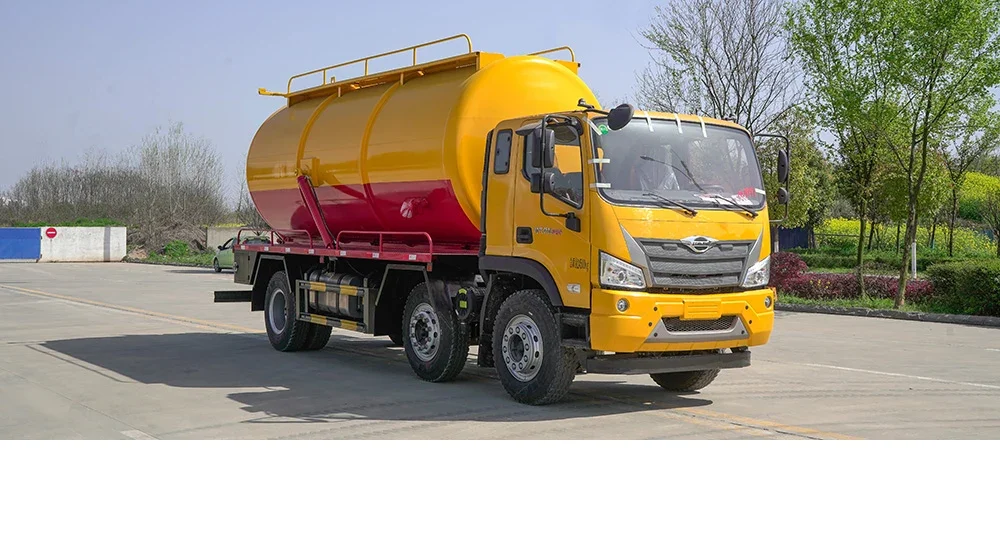
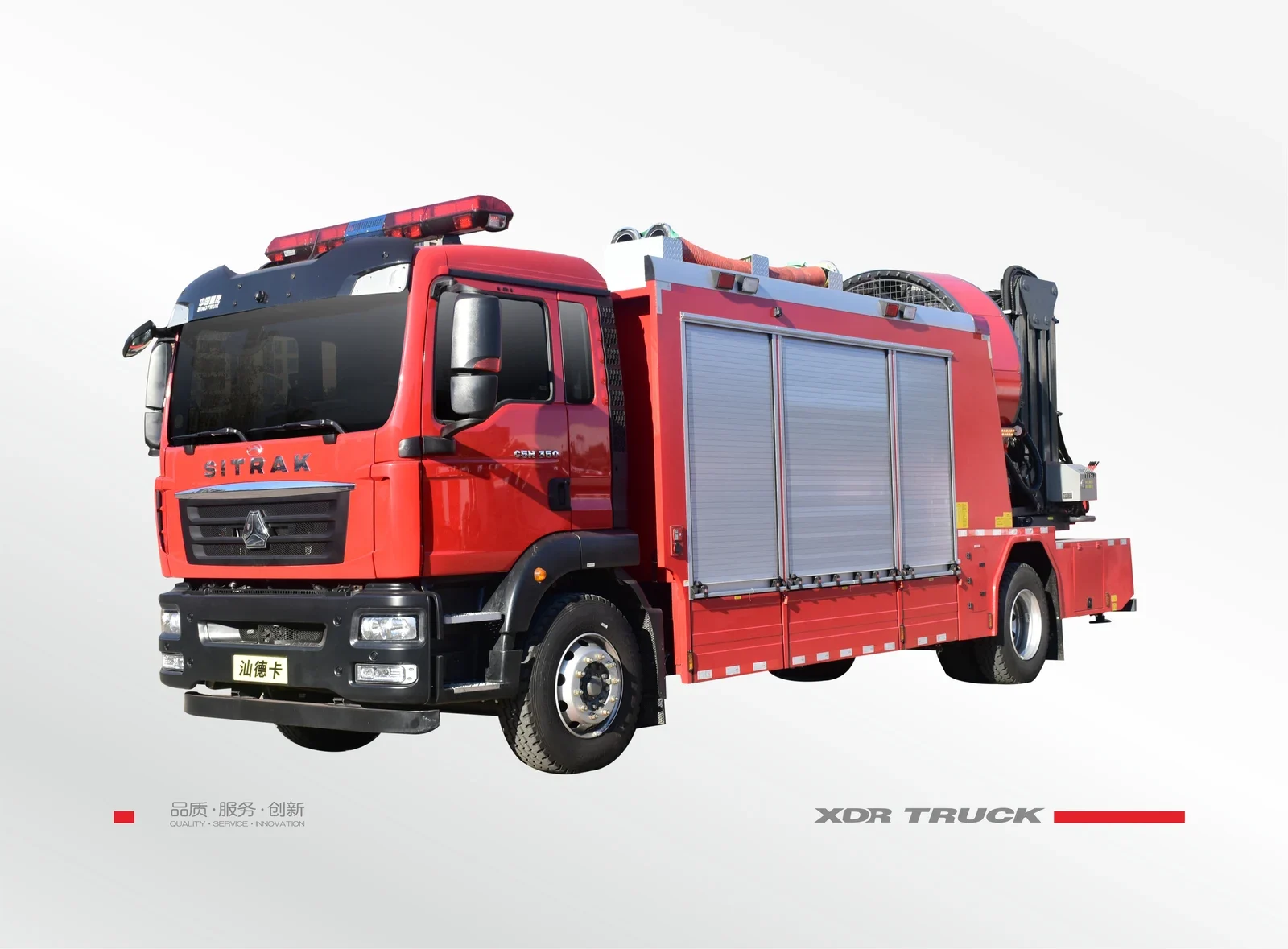
Manufacturer reference photograph. The vacuum body, chassis and external equipment all contribute to completed empty mass before useful load is calculated.
If crew, tools or consumables were excluded from the empty measurement, their mass must still be accounted for. If a rear axle limit is reached earlier, the usable working load can be lower again. The subtraction establishes a starting allowance, not a complete loading approval.
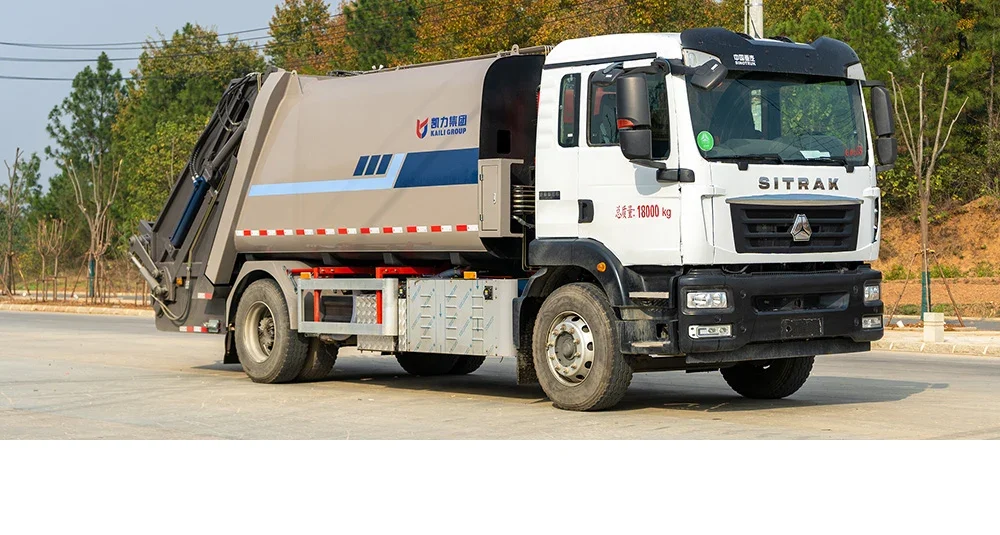
For liquid service, density connects volume to mass. For refuse, collected material varies. Ask the supplier to state the material assumption and the loading rule that operators can apply. A nominal cubic-metre body should not become an unqualified tonne rating through an undocumented conversion.
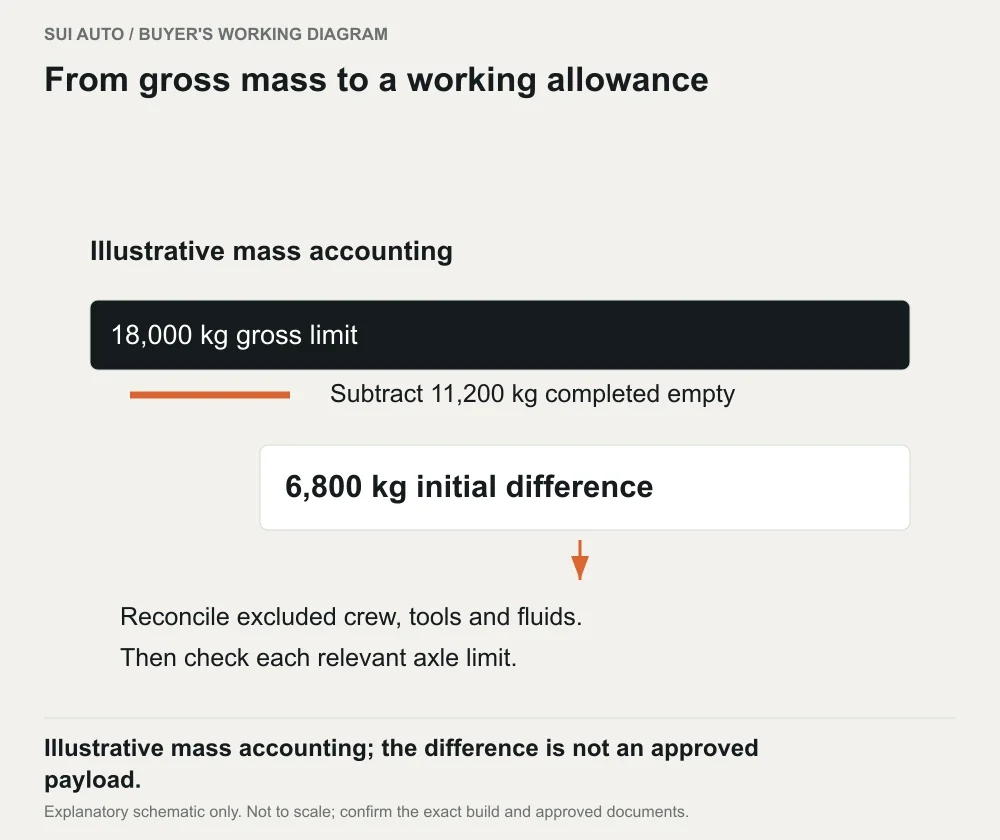
Illustrative mass accounting; the difference is not an approved payload. Explanatory schematic.
Why the same GVW does not mean the same usable work
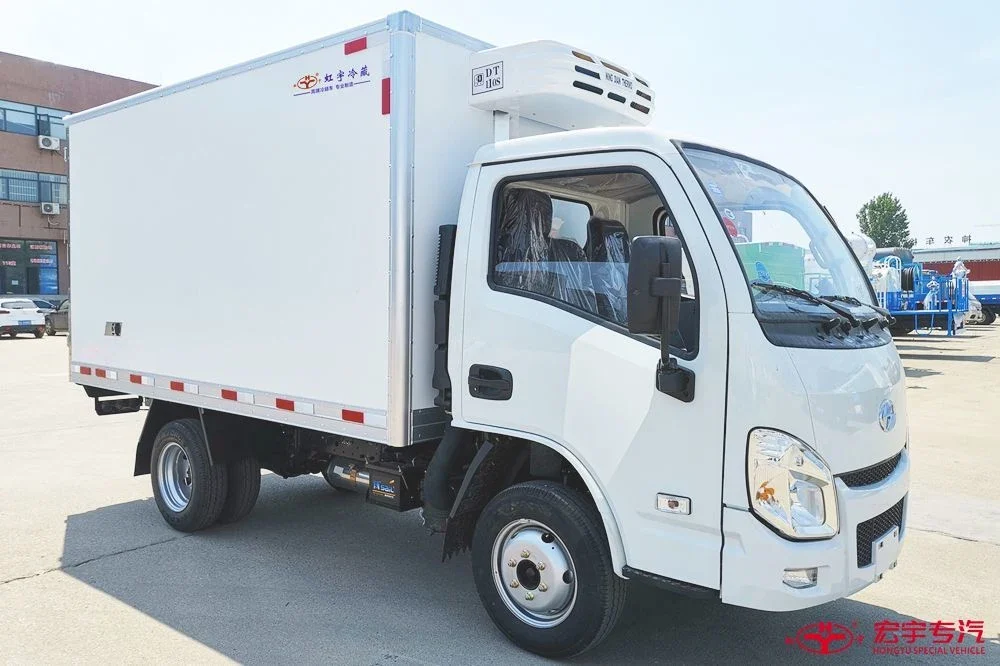
The catalogue includes light electric and refrigerated references with the same published 4495 kg gross-mass class. Their bodies, batteries and equipment are different. That shared number does not establish identical payload or make one suitable for the other's assignment.
Electric vehicles need particular care when comparing an incomplete chassis figure with a finished body. Batteries are part of the actual vehicle package, while body-working equipment can add further mass. A diesel proposal also has its own tank, exhaust and auxiliary equipment. Compare complete builds on the same basis rather than assuming a universal weight penalty or advantage.
Similarly, a heavier chassis can carry a body whose extra equipment uses much of its additional mass allowance. Ask what useful task capacity remains in the specified loaded states.
Put uncertainty into the decision before production
A supplier may provide an estimated empty mass before the truck exists. Treat the estimate as a controlled assumption. Ask which components are confirmed, which options remain open and how the final usable-load requirement will be verified.
Include a change process for substitutions. A different pump, tank, battery pack or rear accessory can affect both total and axle masses. Require an updated weight statement when the configuration changes. Avoid signing a body-volume requirement that silently overrides the actual working-load requirement.
For an operation with a narrow margin, agree a design review before manufacturing and a final weighing step before handover. If the measured vehicle cannot carry the agreed inventory within the applicable limits, the discrepancy needs a technical resolution rather than a revised brochure label.
RFQ and weighing checklist
Provide the material description, intended daily load, crew, tools and all permanent equipment. Ask for the exact gross and axle ratings, completed empty-weight basis and proposed loading states. State whether the supplier's figures are estimates or measurements.
For the final record, note fuel and fluid levels, occupants, tools, spare wheels and tank contents. Record individual axle or axle-group results as appropriate. Match the weighbridge identity and date to the actual vehicle. Retain the signed equipment inventory with the weights so future additions can be assessed against a reliable baseline.
Make the inventory visible to the operator
Turn the agreed equipment list into a practical vehicle inventory. Mark which items normally travel, which are optional and which belong to a separate support vehicle. Keep the approved loading positions with the inventory where distribution matters. This helps the operator avoid gradually consuming the working-load allowance with extra tools and accessories. It also gives the purchasing team a repeatable baseline when comparing a replacement truck several years later. A mass allowance remains meaningful only while its inclusion assumptions stay visible.
Is GVW the amount the truck can carry?
GVW refers to the whole vehicle's gross mass basis. The working load is only part of that total and must satisfy other applicable limits.
Can I subtract chassis weight from GVW to get payload?
That difference still has to accommodate the body and any excluded occupants, equipment and consumables. Use the completed-vehicle basis.
Why can an empty vehicle measurement differ from the quotation?
The quotation may use estimates or a different inclusion basis. Reconcile equipment and measurement conditions before interpreting the difference as an error.
References and further reading
- Kaili JAC electric compactor reference
- Isuzu official body builder guide access
- Daimler Truck official commercial-vehicle body builder information
- Hongyu Foton Aumark Refrigerated Truck manufacturer reference
- Kaili Sinotruk Electric Garbage Compactor manufacturer reference
- UK government vehicle weight terminology
- GM technical bulletin hosted by NHTSA: gross weight terminology
- Hongyu Foton Aumark Refrigerated Truck
- Kaili JAC Electric Garbage Compactor
- Kaili Sinotruk Electric Garbage Compactor
- Overseas buyer guide
Planning a purchase? Follow the overseas buyer guide for specification, payment, shipping and import preparation.