Choose remote checks around decisions and lost access
Plan remote inspection where it can verify an important requirement before later work hides the evidence. Start with the production sequence and mark stages that need buyer review or an independent witness. A remote meeting for every activity can consume time while missing the critical point before a tank closes or a compartment is lined. Agree the purpose, evidence, participants and outcome for each session. Define whether work must wait for authorization or may proceed after the agreed notice and evidence process.
Distinguish a witness point from a routine update
A progress update communicates status. A witness point gives the designated reviewer an opportunity to observe a defined activity. A hold point prevents the specified next activity until the agreed authority releases it. Those meanings should be written into the project plan because suppliers and buyers may use the terms differently. Identify who can release work, how much notice is needed and what happens if the observer is unavailable. The procurement team should avoid creating an indefinite stop that lacks a named decision maker or response process.
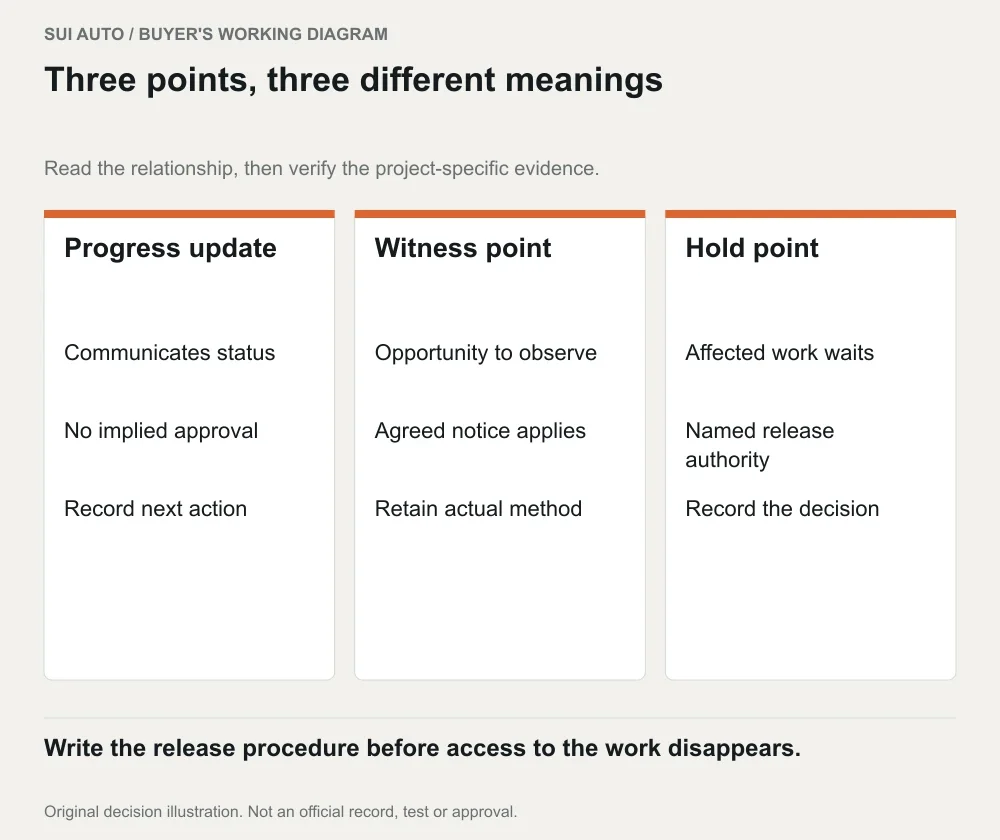
Buyer illustration: procurement planning distinctions; exact meanings must be agreed for the project.
Select the features that benefit from early review
Consider concealed material markings, internal arrangements, equipment restraints before lining and accessible interfaces before assembly. Ask the technical parties which checks require direct measurement or specialist examination. SGS describes production-stage checks and witness testing, but the service must be tailored to the actual vehicle and agreed scope. A remote view may establish layout or identity while leaving a physical measurement unverified. Record that distinction when choosing the method. Some questions are better answered by a local inspector with the correct instruments and access.
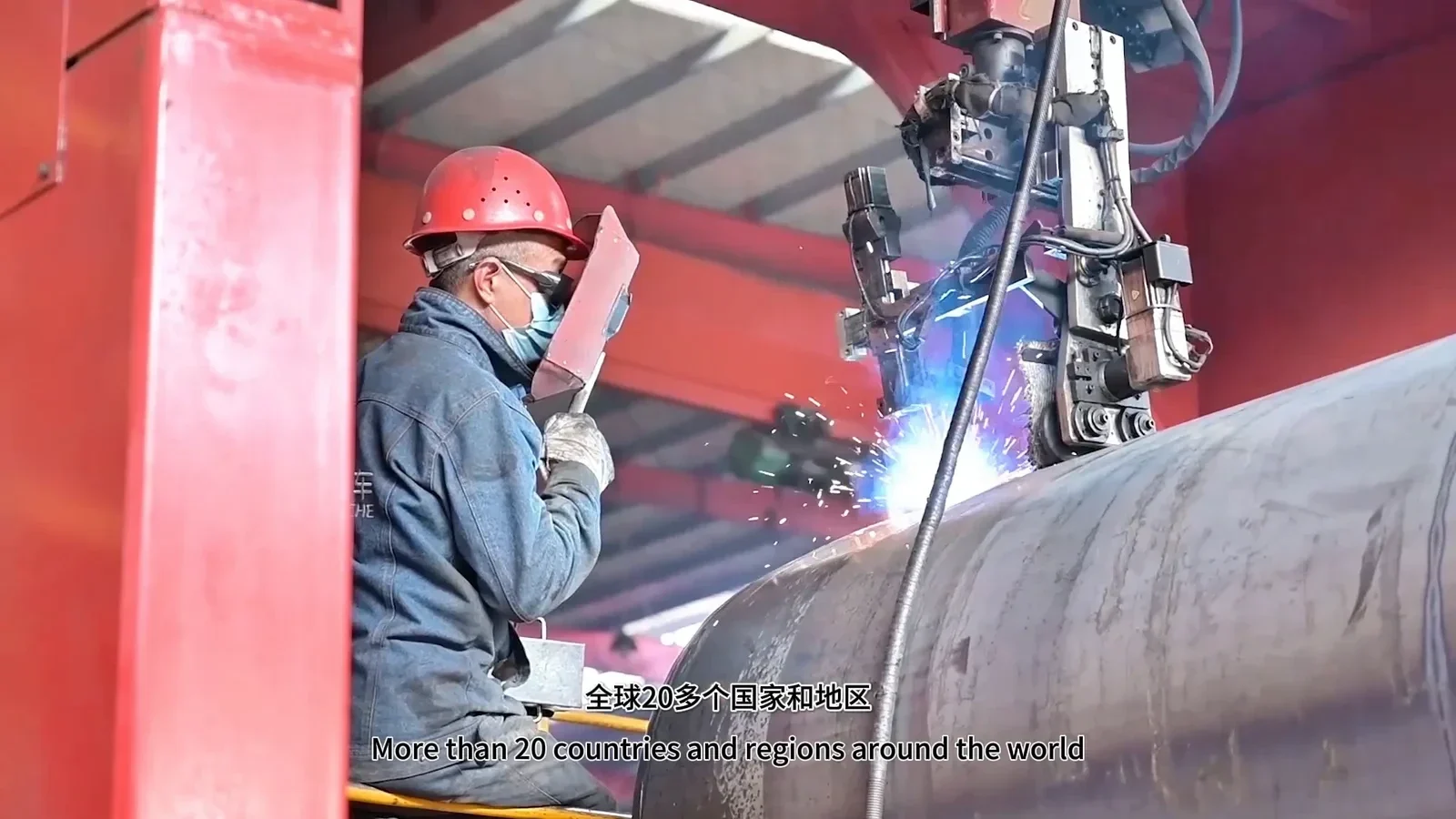
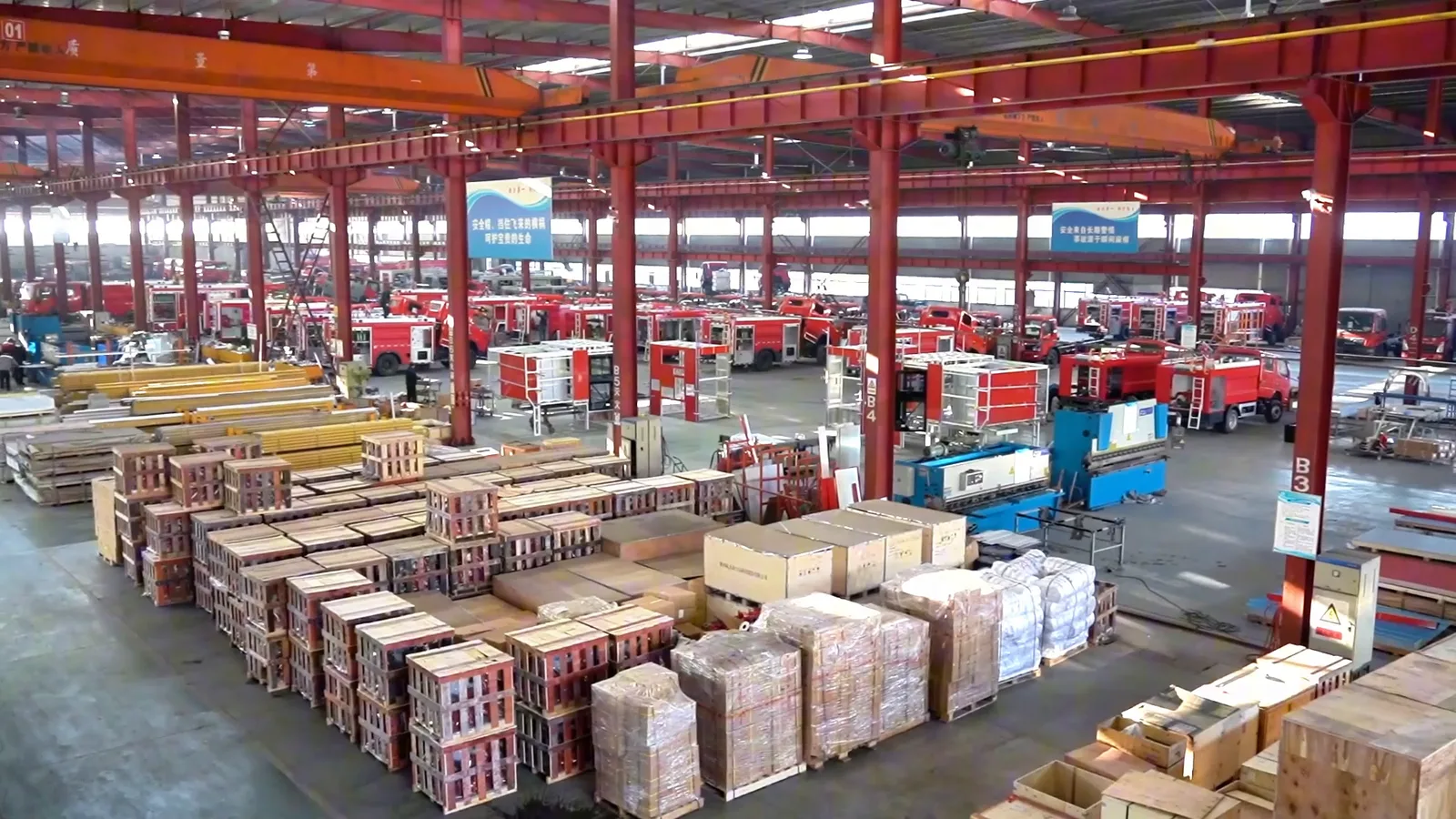
A frame from Xindongri's public manufacturing video shows an exposed body joint during welding. Access changes after fabrication and coating, which is why some witness points belong earlier in production.
Prepare the session as a short test plan
Circulate the current drawing and a numbered route before the call. Confirm the vehicle or body identity, camera access, lighting, audio and the factory person responsible for operating equipment. List the views and records needed, including any readings that must remain visible during an operation. Agree how evidence will be retained and how confidentiality is handled. Keep personnel clear of hazards and let the factory control safe access. If the conditions prevent a useful check, record the limitation and arrange another method rather than improvising an unsafe demonstration.
A hypothetical concealed-feature review
Assume illustrative witness point W-04 covers an internal compartment arrangement before lining. The buyer receives notice, reviews the approved drawing and requests a live view of two mounting details. One location cannot be shown clearly because equipment blocks the camera. The reviewer releases the verified area but leaves the obscured detail open for a local check. This is an invented example, not a SUI AUTO inspection. A partial result should identify exactly what was observed and what still requires evidence, so the workshop knows which activity can proceed.
Keep decisions separate from attendance
Attending a call does not automatically approve the work. After the session, issue a short record with attendees, observed activity, document revisions, evidence references, findings and decision. State whether the point is released, partly released or awaiting information. Identify the authorized reviewer and any required follow-up. The factory should acknowledge the status before continuing affected work. A clear decision record protects the schedule because nobody needs to infer approval from a participant's silence or an informal thumbs-up in a messaging application.
Plan the missed-session route
Remote work depends on time zones, connectivity and factory readiness. Agree an alternate observer, a backup evidence method and a rescheduling process. Keep the notice requirement proportionate to the production operation. If the factory is not ready, ask which predecessor remains incomplete and revise the meeting against that dependency. If the buyer cannot attend, apply the agreed procedure and record the outcome. Avoid retroactively calling an unwitnessed activity witnessed. Any later evidence review should retain its actual method and limitations in the project file.
Can a remote inspector certify the whole vehicle?
The report should state its actual scope, method and findings. Remote observation of selected features does not establish every aspect of complete-vehicle conformity. Ask what physical checks, documents and destination approvals sit outside the session. The buyer should coordinate those separately through the responsible technical and import parties. Remote inspection can be valuable when its limits are visible and its evidence answers a defined question. Treating it as a universal clearance can conceal work that still needs direct examination.
How many witness points should one truck have?
Base the number on the complexity of the body, concealed work, critical interfaces and available factory records. A short list of well-chosen checks can be more useful than frequent unfocused calls. Ask the manufacturer and technical reviewer to identify where a missed defect would be difficult to correct later. Then assign a suitable evidence method and authority to each point. Keep the plan editable through the controlled project process if the manufacturing sequence or inspection needs change.
What if the factory passes a hold point before the buyer attends?
Check the agreed notice and release procedure, then record what actually occurred. Ask whether the activity can be witnessed again or whether suitable retained evidence exists for review. The authorized technical party should assess any lost access and decide the next verification step. Do not relabel an unwitnessed operation as witnessed because photographs were supplied afterward. Record the method and limitations of any substitute review. Also correct the communication or release-process failure so the remaining production points have a clear owner and an acknowledged status.
References and further reading
Planning a purchase? Follow the overseas buyer guide for specification, payment, shipping and import preparation.