Start with the department's approved mission
Choose a water, conventional foam or compressed-air foam arrangement only after the responsible fire authority defines the expected incidents, crew competence and supporting equipment. A larger tank does not settle that decision. Different systems bring different consumables, controls and maintenance obligations. This article concerns procurement by professional responders; it does not prescribe firefighting tactics or agent application. SUI AUTO can help assemble a specification for manufacturer review, but the department and its technical adviser must establish the applicable standard, test requirements and operating doctrine. The published vehicles are starting references, rather than proof that any particular system suits your jurisdiction.
An illustrative mixed-risk department
Assume a department serves a town and a nearby industrial estate, already owns hose and fittings, and receives mutual aid. The buyer should first ask which tasks the new appliance must perform independently and which remain assigned to specialist units. Put these boundaries in the brief. A vehicle asked to cover every conceivable incident may carry extra equipment that displaces useful payload, complicates controls and demands unfamiliar servicing. Conversely, selecting the simplest water-only arrangement without documenting industrial risks can leave an unresolved capability gap. The department should compare mission coverage, not a catalogue ranking of systems.
Separate water capacity from system capability
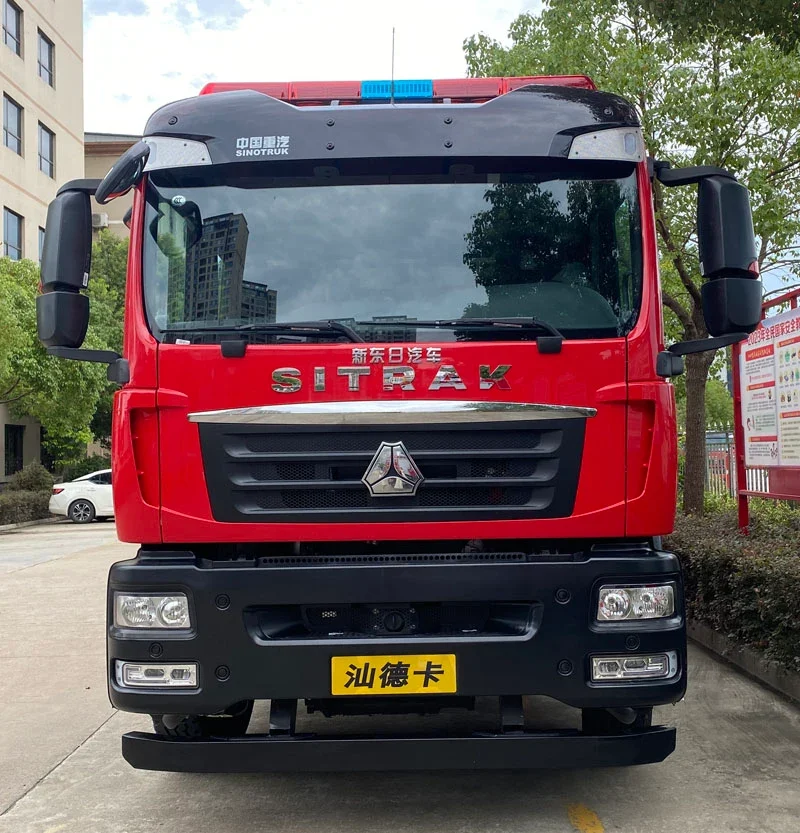
The SUI AUTO catalogue includes SITRAK water-and-foam and CAFS reference vehicles. Those names describe different equipment arrangements, not interchangeable versions of one specification. Ask suppliers for a piping schematic, equipment schedule and explanation of each control mode. Identify which pump, proportioning device and compressor are included, how their performance is verified, and which auxiliaries operate concurrently. A brochure photograph cannot establish these details. If a supplier proposes a substitute component, have the fire authority review its effect on the whole system instead of accepting a similar-looking panel or a larger advertised tank as equivalent.
Check agents, fittings and support together
Prepare an inventory of the department's existing concentrate, hoses, couplings, nozzles and test equipment. Ask the proposed system manufacturer to confirm compatibility in writing, including any limitations and maintenance requirements. Do not assume that every foam concentrate works with every proportioner or that a familiar coupling name guarantees a fit. Include consumable availability and access to competent technicians in the comparison. A specialised system may be suitable where support is strong, but costly operationally where replacement seals, software assistance or concentrate cannot be obtained promptly. Environmental and disposal requirements also belong in the authority's assessment.
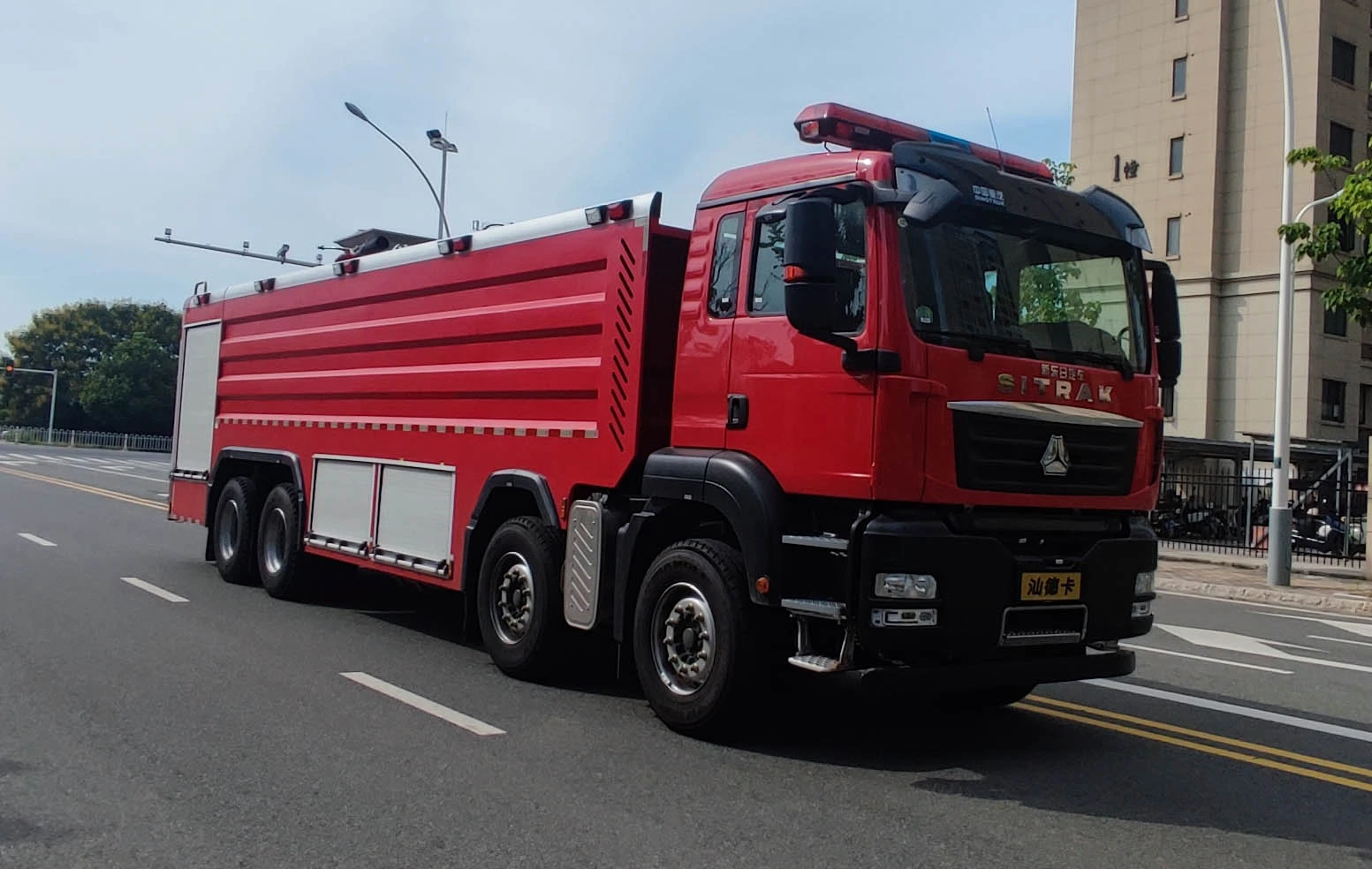
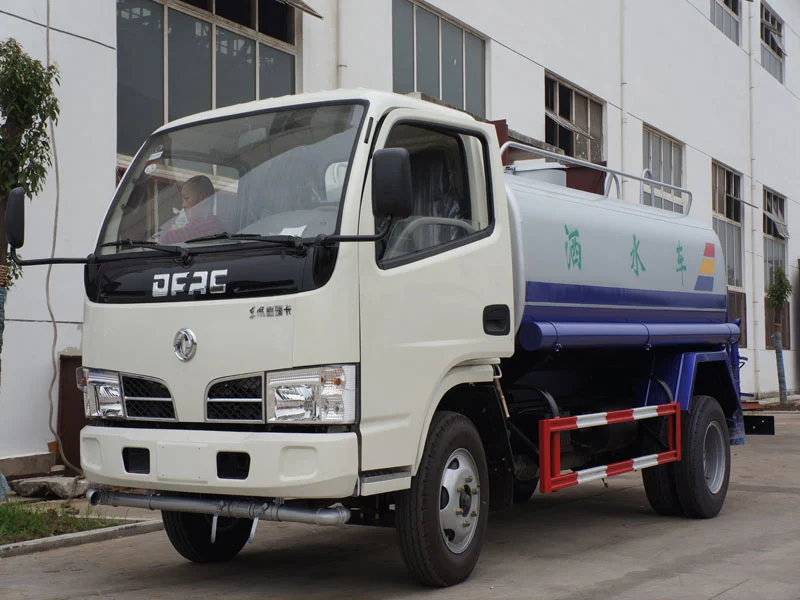
Manufacturer reference photograph. This larger water-and-foam tanker has a different tank and equipment layout.
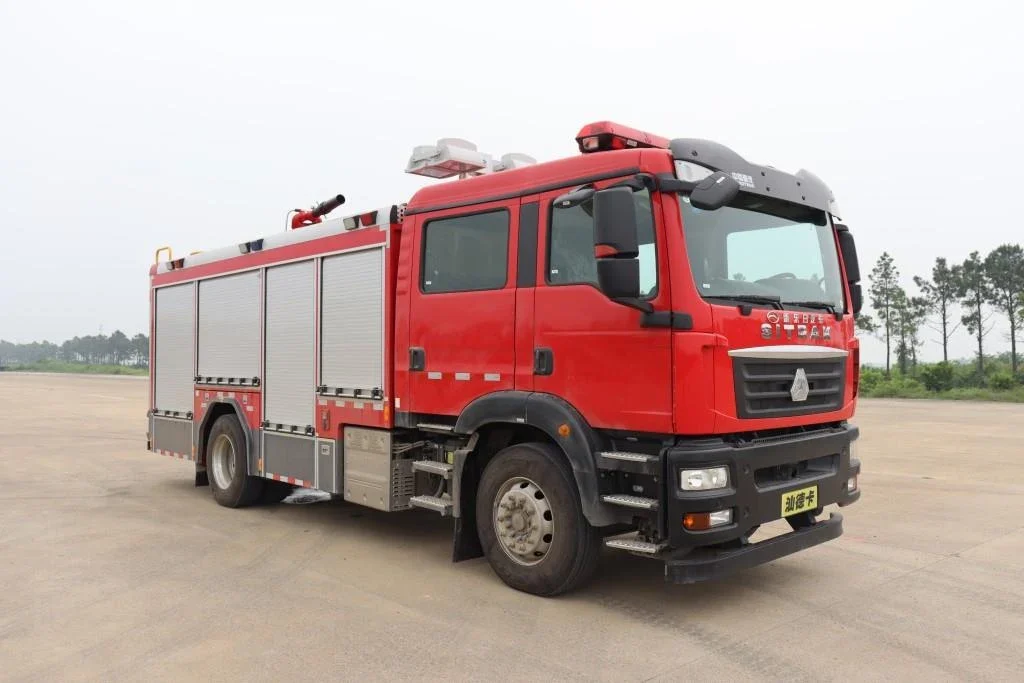
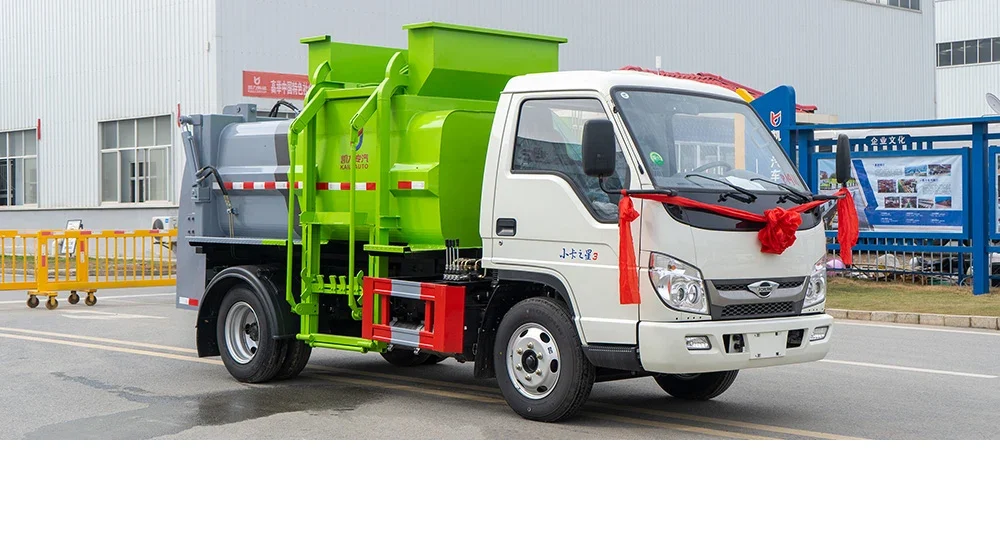
Manufacturer reference photograph. This CAFS reference shows a compact equipment-body arrangement.
For each candidate architecture, record the authority-approved role, included system components, existing equipment compatibility and support obligations. An unsupported mission or agent interface stays open even when another row looks attractive. Use the table to request comparable evidence, not to assign a universal winner.
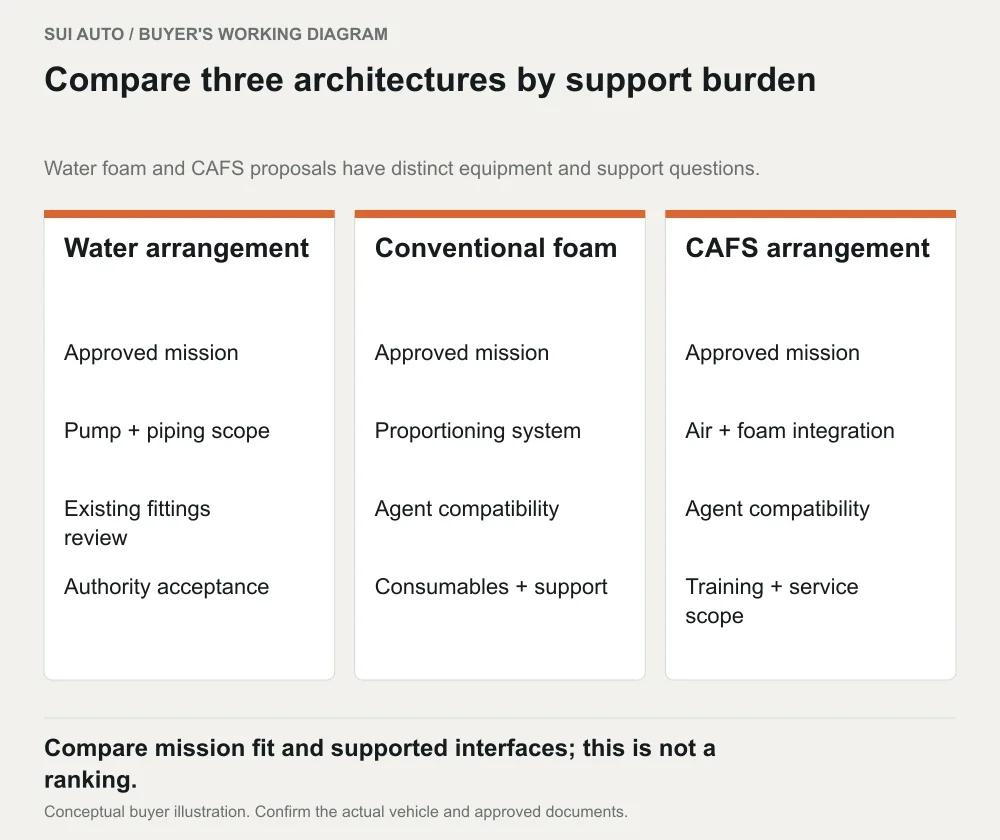
Conceptual illustration. Water foam and CAFS proposals have distinct equipment and support questions. Compare mission fit and supported interfaces; this is not a ranking.
Turn the enquiry into a comparable equipment schedule
Send each supplier the same approved mission brief, crew number, compartment inventory, destination standard and chassis constraints. Require an itemised system list, loaded mass and axle assessment, tank arrangement, performance evidence, control documentation, maintenance plan and training scope. Ask what is excluded: loose equipment, test instruments and spare consumables are easy to overlook. Record deviations explicitly. This makes two quotations comparable without inventing a universal best appliance. It also prevents an inexpensive basic proposal and a fully equipped proposal from being judged only by the final figure, even though their delivered responsibilities differ substantially.
Acceptance should reproduce the agreed requirements
Have qualified personnel define the acceptance programme before construction. The programme should identify the exact installed components, approved performance tests, equipment inventory, mass checks, documentation and corrective-action process. Factory demonstrations need traceable conditions and records; a short video of water discharge is insufficient. Separate delivery inspection from commissioning and crew training. Confirm who witnesses tests and who authorises the vehicle to enter service. USFA's procurement guidance highlights using relevant standards when selecting responder equipment; it does not certify the listed reference vehicles. The department must select the standard and edition applicable to its purchase.
The trade-off the buyer should record
Record why the selected architecture fits the approved mission and why alternatives were rejected. The reason might be existing equipment compatibility, a support limitation or a capability assigned to another unit; it should come from the authority's assessment, not a sales preference. Include the unresolved questions beside the decision. This helps future procurement staff understand why a more complicated system was selected or declined. It also prevents later optional equipment requests from quietly changing the mission without a fresh review. The comparison should remain specific to the department rather than being published as a universal ranking of extinguishing systems.
Questions buyers often ask
Is CAFS automatically preferable? No; suitability depends on the authority's mission, compatibility review and ability to maintain the system. Can tank capacity determine the winner? No; required endurance, equipment mass and approved performance must be considered together. Can an existing foam concentrate be retained? Possibly, but obtain confirmation from the relevant system and concentrate suppliers before specifying it. An unresolved compatibility question should remain an open item in the enquiry, rather than becoming an assumed feature in the order. Product images show reference arrangements and cannot prove final equipment or destination approval.
References and related reading
Planning a purchase? Follow the overseas buyer guide for specification, payment, shipping and import preparation.